
These Ukrainian cottage cheese crepes are soft, thin, and filled with a creamy sweet cheese filling that feels cozy and special at the same time.
They’re the kind of breakfast or dessert that looks fancy, but the steps are simple once you get going.
I love making them when I want something old-fashioned, comforting, and just a little bit extra.

Why I Love This Recipe
What I really love is how comforting they are. They’re soft, creamy, a little sweet, and they reheat beautifully. They also feel like a recipe with history. You can picture someone standing at the stove, flipping crepes one by one, then lining them up and filling each one carefully. That kind of recipe always wins me over.
Here’s why I keep coming back to it:
- The crepes are tender and easy to roll without tearing.
- The filling is creamy, lightly sweet, and not too heavy.
- You can serve them for breakfast, brunch, or dessert.
- They feel special, but the ingredients are simple.
- They’re even better when made ahead and warmed up with butter.

What You’ll Need
For the crepe batter:
- 1 cup all-purpose flour
- 2 large eggs
- 1 1/4 cups whole milk
- 1/2 cup water
- 2 tablespoons melted unsalted butter, plus more for the pan
- 1 tablespoon sugar
- 1/4 teaspoon salt
For the cottage cheese filling:
- 2 cups cottage cheese
- 4 ounces cream cheese, softened
- 3 tablespoons sugar
- 1 large egg yolk
- 1 teaspoon vanilla extract
- 1 tablespoon sour cream
For finishing:
- 2 tablespoons melted unsalted butter
- Powdered sugar, optional, for serving
- Sour cream, optional, for serving
- Fresh berries, optional, for serving

Servings, Time, and Macros
Makes 8 filled crepes, about 4 servings
Prep time: 20 minutes
Cook time: 25 minutes
Total time: 45 minutes
Approximate macros per serving, based on 4 servings:
- Calories: 370
- Protein: 16g
- Carbs: 27g
- Fat: 21g
Tools You’ll Need
- Blender or large mixing bowl with whisk
- Fine mesh strainer or colander
- Medium mixing bowl
- Spoon or fork
- Nonstick skillet, about 8 to 10 inches
- Small spatula
- Measuring cups and spoons
- Pastry brush or spoon for butter
- Round white plate for serving
Pro Tips
- Let the batter rest for 10 minutes if you can. It helps the flour soak up the liquid, and the crepes turn out smoother and more tender.
- Drain the cottage cheese well. If it’s too wet, the filling can turn runny and make the crepes soggy.
- Use medium heat, not high heat. Crepes cook fast, and high heat makes them brown before they stay soft.
- Swirl the pan right after adding the batter. That quick move gives you thin, even crepes.
- Keep the finished crepes stacked on a plate while you cook the rest. That keeps them soft and easy to roll.
Substitutions and Variations
- Farmer cheese is the most traditional swap for cottage cheese. Use the same amount.
- Ricotta can work too, but drain it first so the filling stays thick.
- You can add 1 tablespoon raisins to the filling if you like a more old-school style.
- Add a little lemon zest to the filling for a brighter flavor.
- For a less sweet version, cut the filling sugar down from 3 tablespoons to 1 1/2 tablespoons.
Make Ahead Tips
- The crepe batter can be made up to 1 day ahead and kept in the fridge.
- The filling can be mixed 1 day ahead and chilled.
- The crepes can be cooked, stacked, and refrigerated for up to 2 days before filling.
- Filled crepes can be assembled ahead, covered, and warmed in a buttered skillet before serving.
Recipe Instructions
Step 1: Drain the cottage cheese
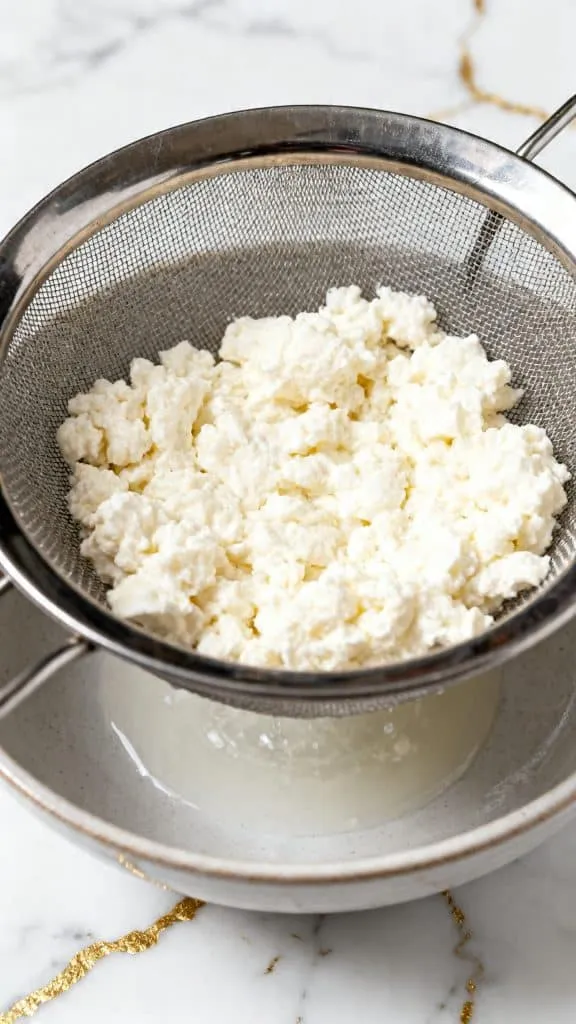
Put the 2 cups cottage cheese into a fine mesh strainer and let it drain for 10 to 15 minutes. If it still looks wet, press it gently with the back of a spoon. You want it thick and fairly dry so the filling stays creamy instead of watery.
Step 2: Make the crepe batter
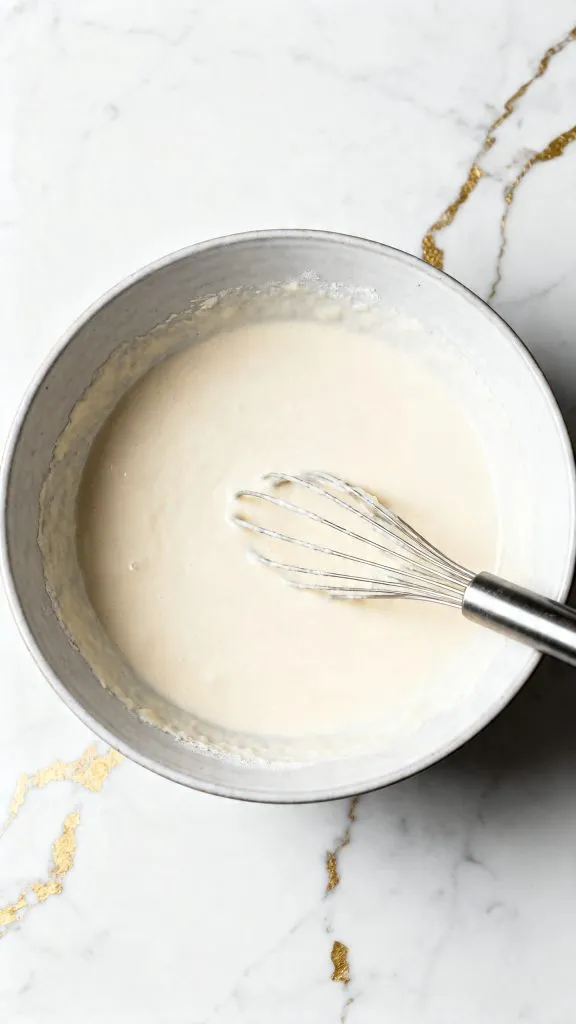
In a blender or mixing bowl, combine 1 cup all-purpose flour, 2 large eggs, 1 1/4 cups whole milk, 1/2 cup water, 2 tablespoons melted unsalted butter, 1 tablespoon sugar, and 1/4 teaspoon salt. Blend or whisk until the batter is smooth and thin, with no big lumps. Let it sit for 10 minutes if you have time.
Step 3: Mix the filling
In a medium bowl, stir together the drained 2 cups cottage cheese, 4 ounces softened cream cheese, 3 tablespoons sugar, 1 large egg yolk, 1 teaspoon vanilla extract, and 1 tablespoon sour cream. Mash and mix until creamy. A few small curds are fine, but it should look spreadable and smooth enough to spoon easily.

Step 4: Cook the first crepe
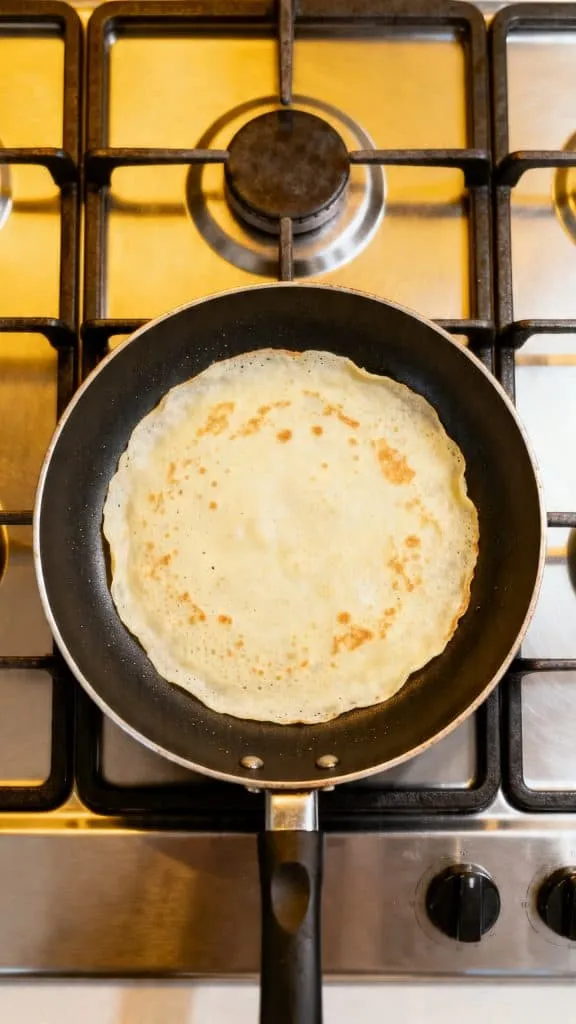
Heat a nonstick skillet over medium heat on a modern stainless steel gas stove and lightly butter it. Pour in about 3 tablespoons of the prepared crepe batter, then quickly swirl the pan so the batter spreads into a thin round layer. Cook for 1 to 1 1/2 minutes, until the top looks set and the bottom has light golden spots.
Step 5: Flip and finish the crepes
Flip the crepe with a spatula and cook for about 20 to 30 seconds on the second side. Move it to a plate. Repeat with the rest of the batter, lightly buttering the pan as needed, until you have about 8 crepes stacked on the plate.
Step 6: Fill the crepes
Lay one crepe flat. Spoon about 1/4 cup of the sweet cheese filling into the lower third of the crepe. Spread it into a short log, then fold the sides in slightly and roll it up. Repeat with all 8 crepes and the rest of the filling.

Step 7: Warm the filled crepes in butter
Heat the skillet again over medium-low heat on a modern stainless steel gas stove. Add 2 tablespoons melted unsalted butter. Place the filled crepes seam-side down in the skillet and warm them for about 1 to 2 minutes per side, just until lightly golden in spots and heated through.

Step 8: Serve
Move the warm filled crepes to a round white plate. Dust with powdered sugar if you like, and serve with sour cream and fresh berries on the side. Serve warm.

Why This Recipe Works (Quick Science)
The batter works because it has enough liquid to make the crepes thin and flexible. The milk, water, eggs, and melted butter help the flour spread out into a delicate layer instead of a thick pancake.
Resting the batter gives the flour time to hydrate. That makes the batter smoother and helps the crepes cook more evenly.
The filling works because drained cottage cheese gives you texture, while cream cheese, egg yolk, and sour cream make it creamy and rich. Draining the cottage cheese is the big key. Too much water in the filling can make the crepes soggy.
Warming the filled crepes in butter at the end adds flavor and gives the outside a light golden finish without drying them out.
Common Mistakes
- Not draining the cottage cheese enough. That can make the filling loose.
- Using too much batter in the pan. Then the crepes turn thick instead of thin and tender.
- Cooking over heat that’s too high. The crepes can get crisp instead of soft.
- Skipping the butter in the skillet when warming the filled crepes. That last step adds flavor and keeps them from sticking.
- Overfilling the crepes. About 1/4 cup filling per crepe is plenty.
What to Serve With
These crepes are great with:
- Sour cream
- Fresh strawberries, blueberries, or raspberries
- Warm berry sauce
- Honey
- Tea or coffee
- Scrambled eggs for a bigger breakfast spread
Leftovers and Storage
Store leftover crepes in an airtight container in the fridge for up to 3 days. Reheat them in a buttered skillet over low heat, or warm them in the microwave in short bursts.
You can also freeze them. Wrap the filled crepes well and freeze for up to 2 months. Thaw in the fridge overnight, then reheat in a skillet with a little butter for the best texture.
FAQ
Can I use farmer cheese instead of cottage cheese?
Yes. Farmer cheese is actually more traditional for this style of filling. Use the same amount, and if it seems dry, mix in a little extra sour cream.
Do I have to blend the batter?
No. A whisk works fine. Just keep whisking until the batter is smooth and thin.
Can I make these less sweet?
Yes. You can cut the sugar in the filling down to taste. They’re still delicious with less sugar.
Why are my crepes tearing?
Usually that means they are too thin, too delicate from overhandling, or not fully cooked before flipping. Let the first side set before you turn them.
Can I serve these cold?
You can, but they’re much better warm. The filling gets softer and the crepes taste richer.
Final Thoughts
These Ukrainian cottage cheese crepes are simple, comforting, and so worth making. They have that homemade feel that makes a meal seem extra special without needing anything fancy. Once you make a batch, you’ll see how good soft crepes and creamy cheese filling can be together. I’d love to hear how yours turned out and what you served with them.