
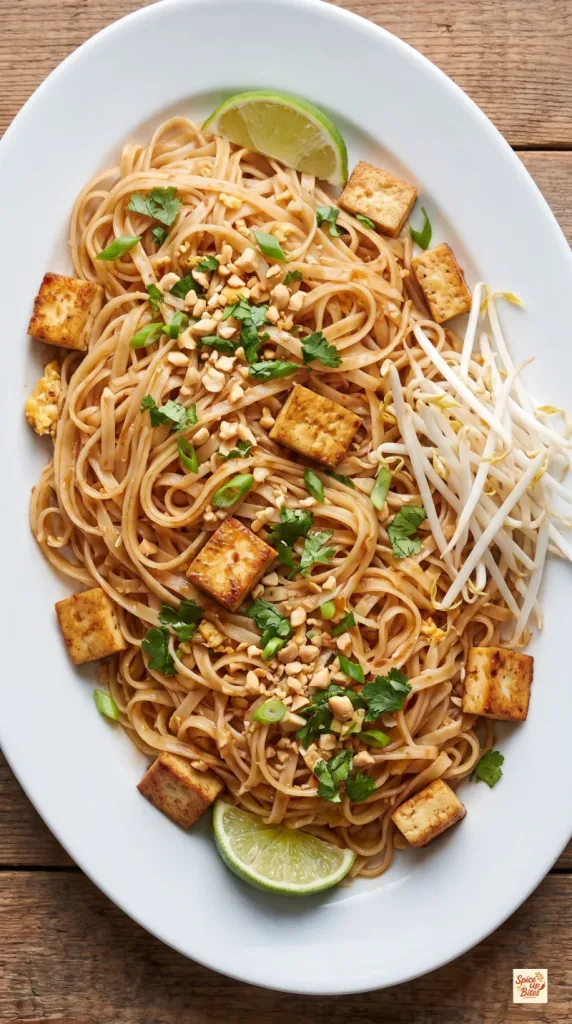
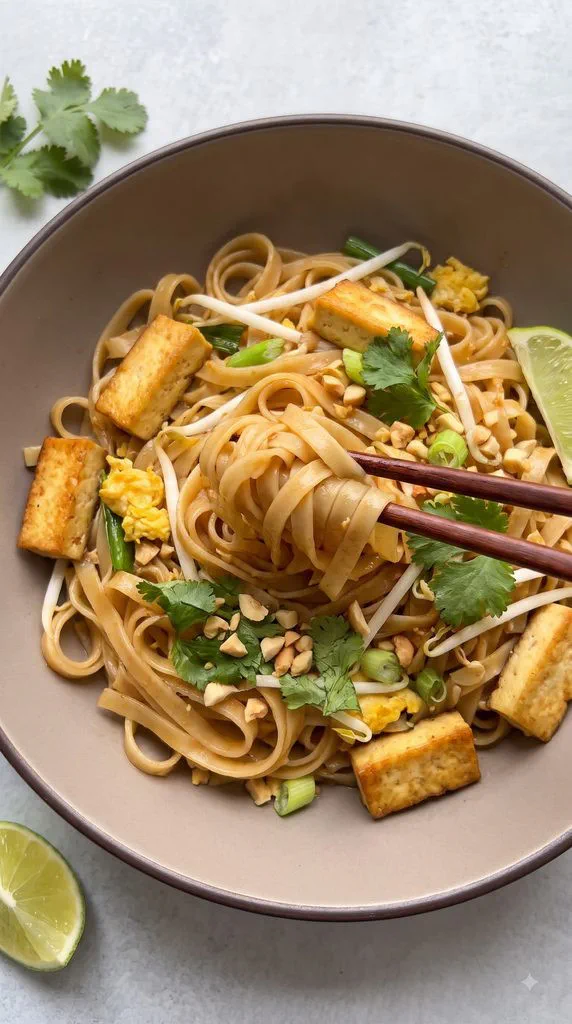
Tofu Pad Thai brings chewy rice noodles, golden tofu and a bright tamarind sauce to the dinner table. Peanuts add crunch, while a squeeze of lime wakes up each bite. This meat-free version includes egg and uses soy sauce for its savory flavor. Get everything ready first, because the last few minutes move fast.
Why I Love This Recipe
This is a satisfying noodle dinner with plenty of contrast. The tofu has golden edges, the noodles stay springy, and the sauce brings together sweet, sour and salty flavors without covering them up.
- Real tamarind flavor: Tamarind gives the sauce a fruity tang that lime alone cannot provide.
- Simple skillet method: A wide skillet works well if you do not own a wok.
- A filling meat-free meal: Tofu, egg and peanuts add protein and texture.
- Easy heat control: Chili flakes go in at the table so each serving can be as mild or spicy as you like.
What You’ll Need
- Servings: 4
- Prep Time: 30 minutes, including pressing and soaking
- Cook Time: 20 minutes
- Total Time: 50 minutes
- Pan: 12-inch nonstick skillet or roomy wok
For the Noodles and Tofu
- 8 ounces dried flat rice noodles, about 1/4 inch wide
- 14 ounces extra-firm tofu, drained
- 3 tablespoons neutral oil, divided
- 1 small shallot, finely chopped
- 3 garlic cloves, minced
- 2 large eggs, lightly beaten
- 2 cups bean sprouts, rinsed and drained well
- 4 scallions, thinly sliced, divided
For the Sauce
- 3 tablespoons Thai-style strained tamarind puree, regular strength, not thick black concentrate
- 3 tablespoons low-sodium soy sauce
- 3 tablespoons packed light brown sugar
- 1/3 cup water
- Up to 1/4 cup additional water, divided, only as needed for the noodles
To Finish
- 1/4 cup unsalted roasted peanuts, finely chopped
- 1/4 cup chopped fresh cilantro
- 1 lime, cut into wedges
- 1/4 teaspoon crushed red pepper flakes, optional
Use Thai-style tamarind puree that pours from a spoon. Very thick concentrates vary greatly in strength and cannot be swapped tablespoon for tablespoon. The tofu gets its golden surface from direct contact with the skillet; it needs no coating.
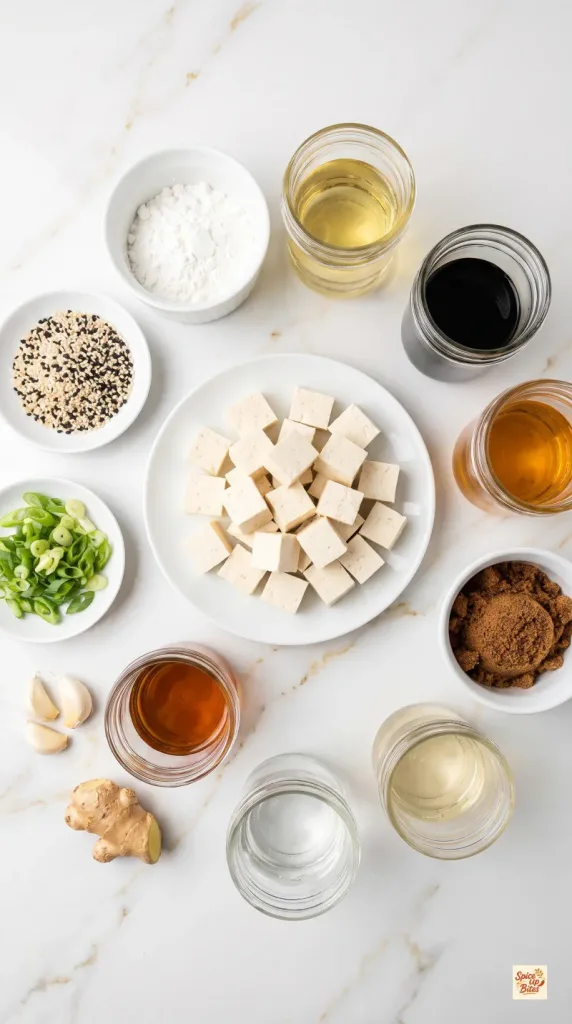
Tools You Need
- 12-inch nonstick skillet or roomy wok
- Large bowl and colander
- Small bowl and whisk
- Clean kitchen towel for pressing tofu
- Tongs and a flexible spatula
- Knife, wooden cutting board and measuring spoons
How to Make Tofu Pad Thai
Finish the prep before turning on the stove, and keep the noodles slightly firm before they go into the sauce.
Step 1: Press the Tofu and Soak the Noodles
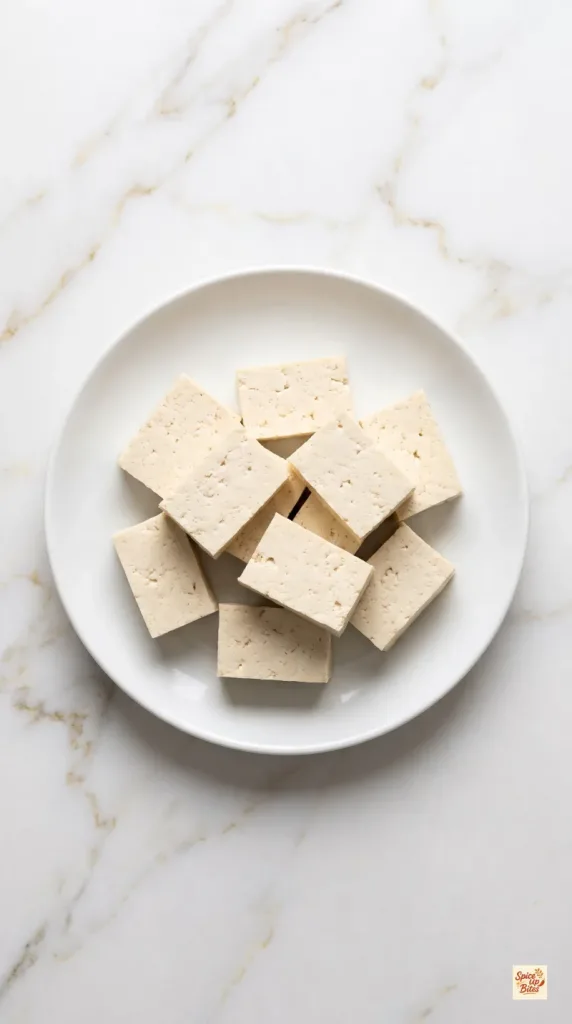
Wrap 14 ounces drained extra-firm tofu in a clean towel and press under a moderately heavy object for 20 minutes.
Meanwhile, soak 8 ounces dried flat rice noodles in warm water according to the package directions, usually 20–30 minutes, until flexible but still firm in the center. Drain well; do not leave them soaking once they bend easily.
Cut the pressed tofu into rectangles about 1 inch long and 1/2 inch thick, then pat the cut surfaces dry.
Step 2: Mix the Sauce
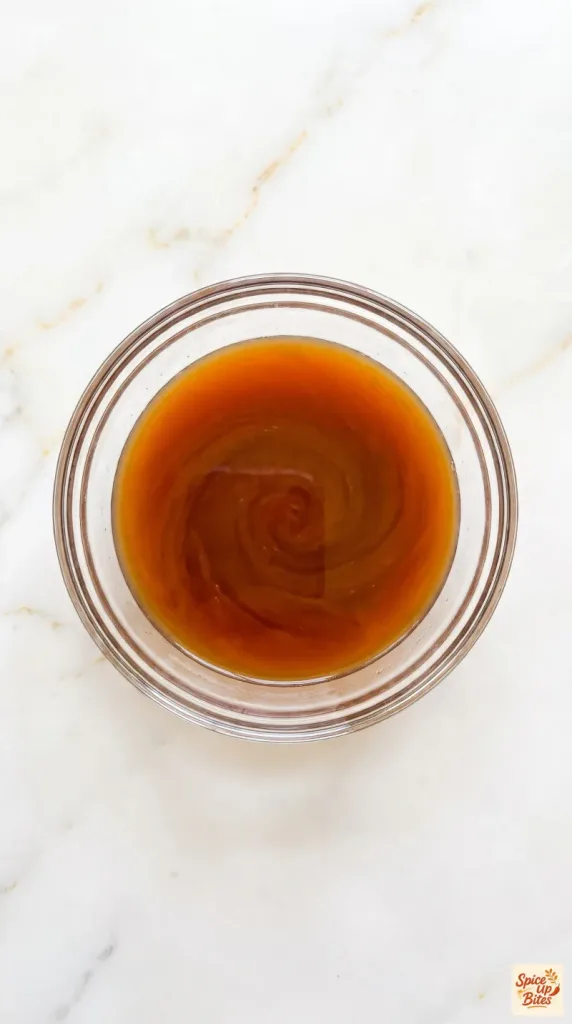
Whisk 3 tablespoons regular-strength tamarind puree, 3 tablespoons low-sodium soy sauce, 3 tablespoons packed light brown sugar and 1/3 cup water in a small bowl until the sugar dissolves.
The sauce should taste tangy, sweet and savory. Keep up to 1/4 cup additional water nearby for loosening the noodles later; do not add it all now.
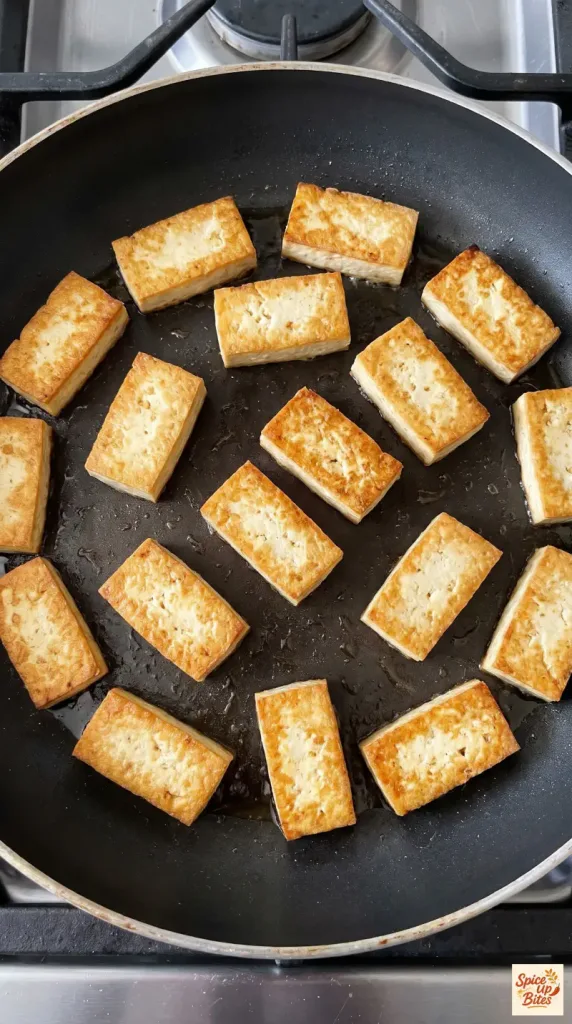
Step 3: Brown the Tofu
Heat 2 tablespoons neutral oil in a 12-inch nonstick skillet over medium-high heat.
Add the prepared 14 ounces tofu rectangles in a single layer. Cook for 8–10 minutes, turning gently, until golden on the broad faces. Transfer to a clean plate.
Step 4: Cook the Aromatics and Egg
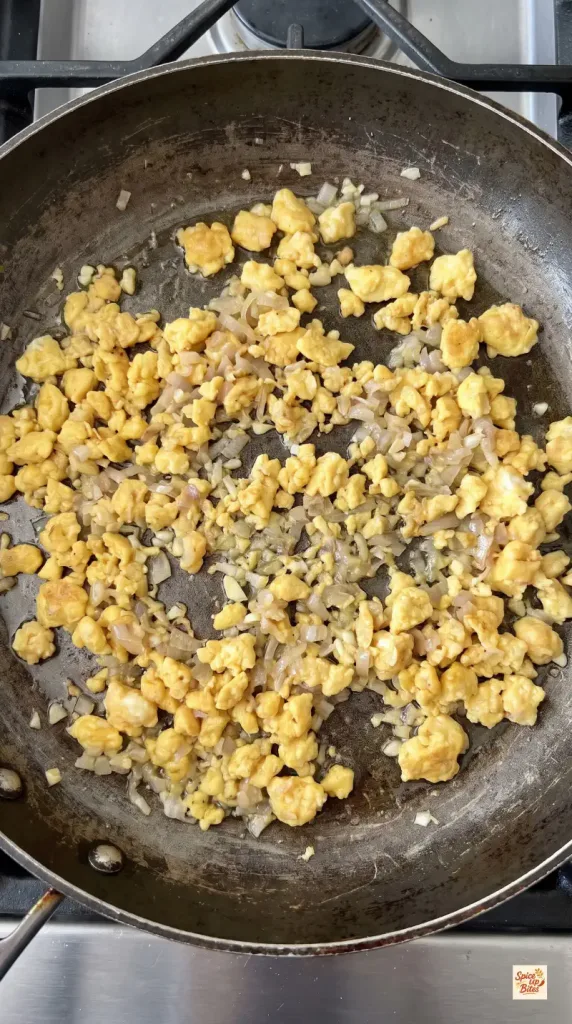
Lower the heat to medium and add the remaining 1 tablespoon neutral oil to the same skillet.
Add 1 finely chopped small shallot and cook for 1 minute. Add 3 minced garlic cloves and cook for 30 seconds, just until fragrant.
Push the aromatics to the side. Add 2 lightly beaten large eggs to the open space and stir gently for 1–2 minutes, until set into small curds. Fold the shallot and garlic into the egg.
Step 5: Toss the Noodles
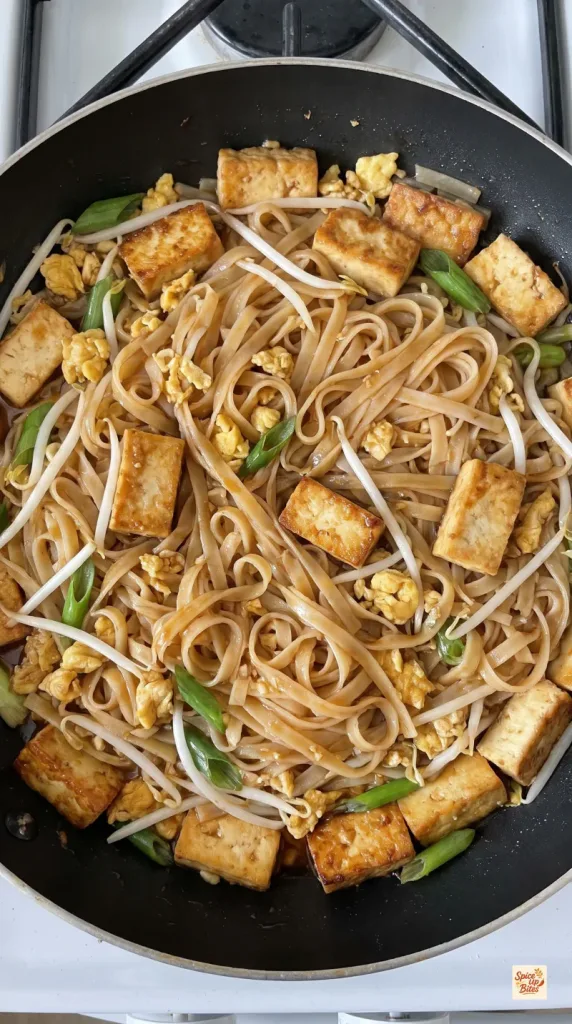
Add the drained noodles made from 8 ounces dried flat rice noodles and all the sauce from Step 2 to the egg mixture.
Use tongs to lift and fold gently over medium-high heat for 3–4 minutes, until the noodles are tender with a slight chew and the sauce clings to them. If the pan dries before the noodles soften, add the reserved up to 1/4 cup water, 1 tablespoon at a time.
Return all the browned tofu to the skillet. Add 2 cups bean sprouts and half the sliced scallions, from 2 scallions, then toss for 2 minutes, until the sprouts are hot and slightly softened. The sauce should leave a glossy coating without a puddle underneath.
Step 6: Finish and Serve
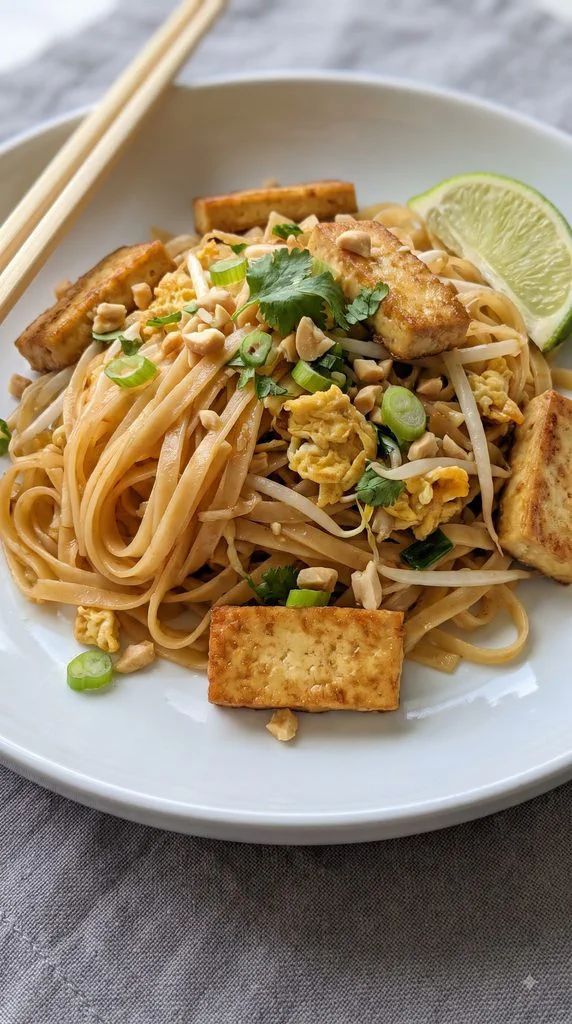
Divide the noodles among 4 servings, or bring them to the table on a shared platter.
Scatter 1/4 cup finely chopped roasted peanuts, the remaining sliced scallions from 2 scallions, and 1/4 cup chopped cilantro over the noodles.
Serve with wedges from 1 lime for squeezing over each portion. Offer 1/4 teaspoon crushed red pepper flakes, if using, at the table.
This is a full meal on its own. A simple cucumber salad makes an optional fresh side.
Why This Recipe Works (Quick Science)
Pressing tofu removes surface water so it browns instead of steaming in the pan. Leaving the broad faces still for a few minutes helps them form a golden skin without a starch coating.
Soaking rice noodles softens them before cooking, while leaving some firmness gives them room to finish in the sauce. Tamarind supplies acidity, sugar rounds out the sour edge, and soy sauce adds salt and savory depth. A wide hot pan helps the liquid reduce into a light coating.
Common Mistakes to Avoid
- Using strong concentrate at full strength: Choose regular-strength Thai-style puree so the sauce is balanced.
- Over-soaking the noodles: Soft noodles can fall apart when tossed. Drain while they still have some bite.
- Moving the tofu too soon: Let the first side brown before trying to turn it.
- Crowding a small pan: Use a wide skillet. If needed, cook half the egg mixture, noodles, sauce, tofu and vegetables at a time.
- Adding water all at once: Start with a spoonful so the noodles do not turn soupy.
Pro Tips
Have the garnish ready before the noodles finish. They are best served right away, while the strands are springy and the tofu still has some texture at the edges.
Use tongs to fold the noodles rather than pressing down hard with a spoon. Add the peanuts after cooking so they stay crunchy.
What to Serve With Tofu Pad Thai
The noodles, tofu and egg make this a complete main dish. For a lighter contrast, add a cucumber salad dressed with rice vinegar. Steamed bok choy is another simple option. Keep any side lightly seasoned so it does not compete with the tamarind sauce.
Leftovers and Storage
Refrigerate leftovers in a covered container within 2 hours, and use within 3 days. Store fresh lime, peanuts and cilantro separately when possible.
Reheat in a skillet with a small splash of water until hot throughout, folding gently to loosen the noodles. The tofu will soften as it sits in the sauce. Freezing is possible, but the noodles tend to break and the sprouts lose their crunch.
Macros Information
Estimated per serving, based on 4 servings and including the peanuts, cilantro and lime. Brands and the amount of oil left in the pan will change the numbers.
- Calories: 575 kcal
- Protein: 22 g
- Carbohydrates: 72 g
- Fat: 23 g
- Saturated Fat: 3 g
- Fiber: 5 g
- Sugar: 14 g
- Sodium: 480 mg
Frequently Asked Questions (FAQ)
Q: Is Tofu Pad Thai vegan?
A: This version contains eggs. For a vegan variation, leave them out and check that your soy sauce and tamarind puree contain no animal ingredients.
Q: Can I use firm tofu?
A: Yes. Press it well and turn it carefully because it is a little more delicate than extra-firm tofu. Silken tofu will not hold these pieces well.
Q: Does the tofu need cornstarch?
A: No. Dry surfaces, enough oil and direct contact with the skillet give it a golden exterior. It stays tender inside.
Q: What kind of rice noodles should I buy?
A: Choose dried flat rice noodles labeled for pad thai, roughly 1/4 inch wide. Follow their soaking directions and check the texture before draining.
Q: Can I use lime juice instead of tamarind?
A: Lime tastes bright and sharp but lacks tamarind’s fruity depth. Use tamarind for the sauce and lime at the table for the best balance.
Q: Is this recipe gluten-free?
A: Rice noodles usually are, but regular soy sauce contains wheat. Use certified gluten-free tamari and check the other labels if needed.
Q: Why are my noodles sticking together?
A: They may have sat too long after draining, or the pan may be too dry. Separate them gently with a spoonful of water as they cook in the sauce.
Q: Can I prepare anything ahead?
A: Press and cut the tofu, mix the sauce and chop the garnish earlier in the day. Keep them refrigerated separately. Soak the noodles closer to cooking time.
Q: Can I replace the peanuts?
A: Chopped roasted cashews work well if you can eat tree nuts. For a nut-free version, omit the nuts and check every ingredient for your needs.
Final Thoughts
Tofu Pad Thai is all about chewy noodles, golden tofu and a sauce with a bright sweet-sour balance. Prep first, keep the pan roomy and finish with fresh lime. Leave a comment with your favorite way to serve it. Happy cooking!