
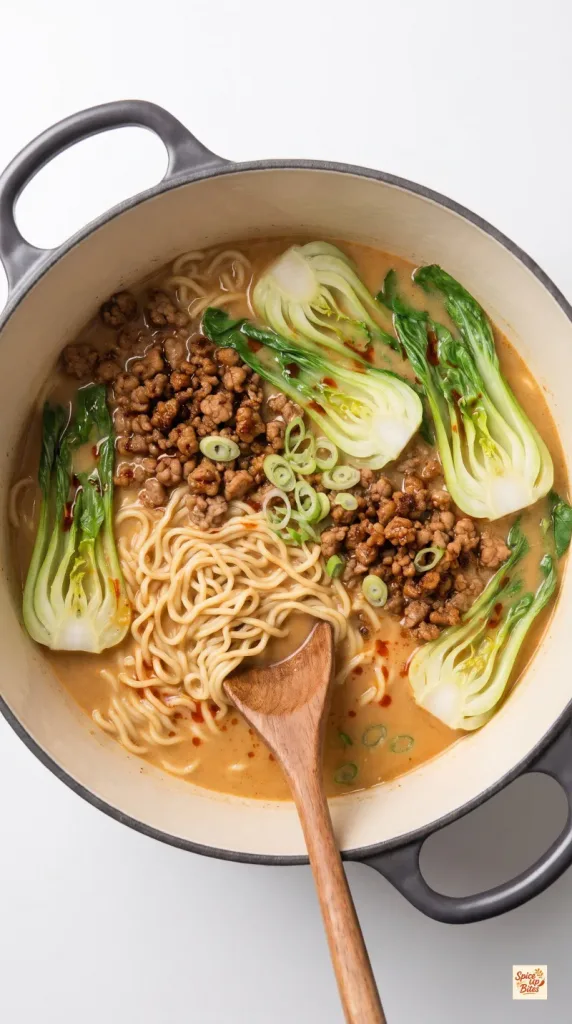
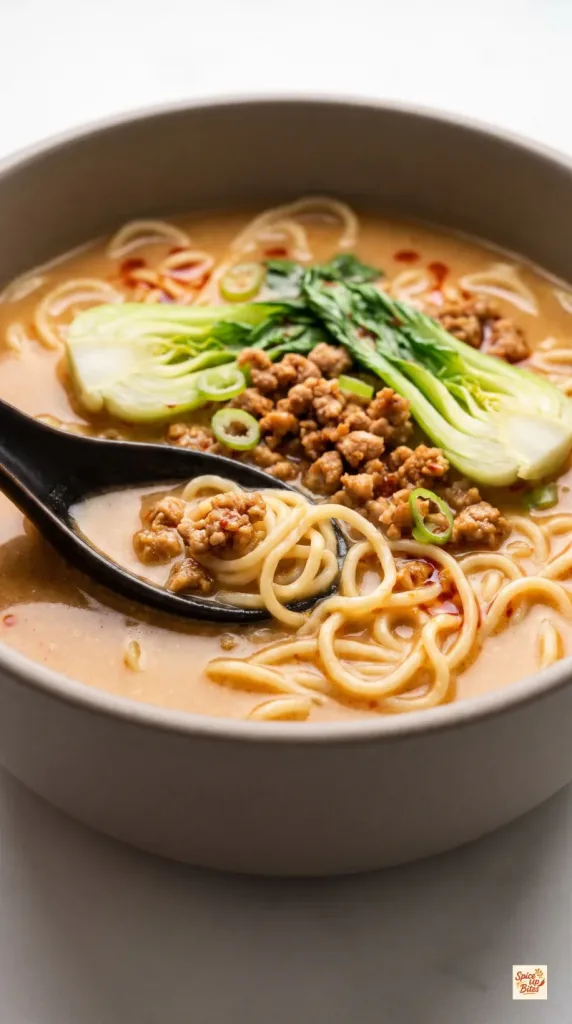
Tan Tan Ramen has springy noodles, crisp-tender bok choy, and little browned bits of pork in a creamy sesame broth. Chili oil brings the heat, and rice vinegar gives the broth a bright finish. It’s a Japanese ramen inspired by Sichuan dan dan noodles, and you can make two generous bowls in 40 minutes.
Why I Love This Recipe
A spoonful of toasted sesame paste gives the broth a deep, nutty flavor without a long simmer. The best bites have a little of everything, from the chewy noodles to the juicy pork and the snap of a bok choy stem.
- Deep flavor in a short time: Doubanjiang seasons the pork with the savory heat of fermented chili beans.
- A silky broth: Unsweetened soy milk softens the heat and gives the broth body.
- A full meal in one bowl: Fresh ramen noodles, pork, and greens make a filling dinner.
What You’ll Need
- Servings: 2
- Prep Time: 15 minutes
- Cook Time: 25 minutes
- Total Time: 40 minutes
For the pork
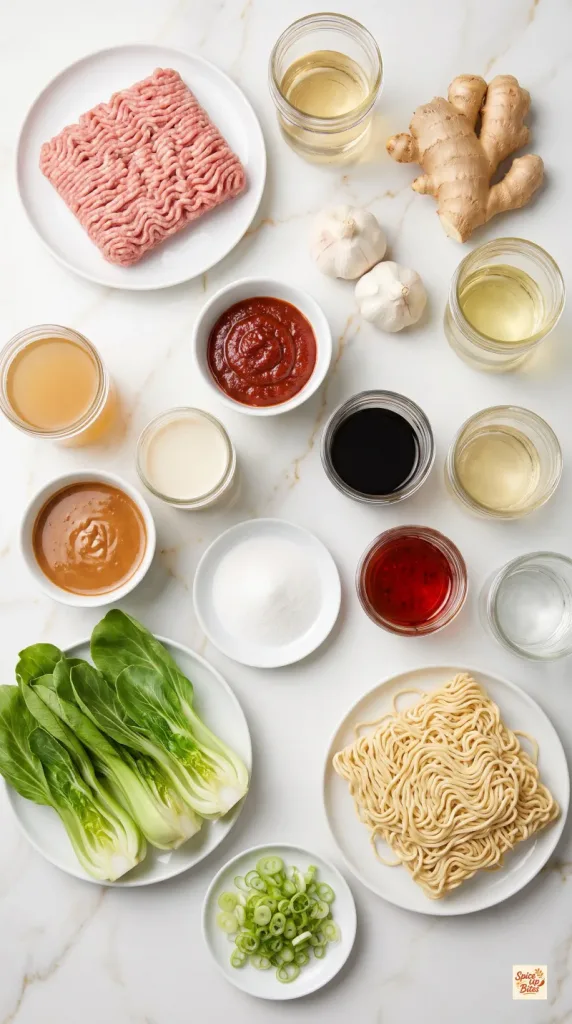
- 8 oz (225 g) ground pork
- 1 tablespoon mirin
- 2 teaspoons finely grated fresh ginger
- 1 teaspoon neutral oil, such as canola
- 2 garlic cloves, minced
- 2 teaspoons doubanjiang (fermented chili bean paste)
For the sesame broth
- 2 cups (480 ml) low-sodium chicken stock
- 2 cups (480 ml) unsweetened plain soy milk
- 3 tablespoons toasted sesame paste, stirred well
- 1½ tablespoons soy sauce
- 2 teaspoons unseasoned rice vinegar
- ½ teaspoon sugar
- 1 tablespoon chili oil, divided
For the noodles and toppings
- 3 quarts (2.8 L) water, for boiling
- 2 small baby bok choy (about 5 oz or 140 g total), halved lengthwise and rinsed
- 10 oz (285 g) fresh medium-thick wavy ramen noodles
- 2 scallions, thinly sliced
Tools You Need
- 4-quart Dutch oven
- 5-quart pot for the noodles and greens
- Small glass mixing bowl and whisk
- Wooden spoon and tongs
- Colander and ladle
- Cutting board and chef’s knife
- Instant-read thermometer
- Ramen bowls
How to Make Tan Tan Ramen
Have the toppings ready before the noodles go into the water so you can serve them while they’re still springy.
Step 1: Whisk the Sesame Base
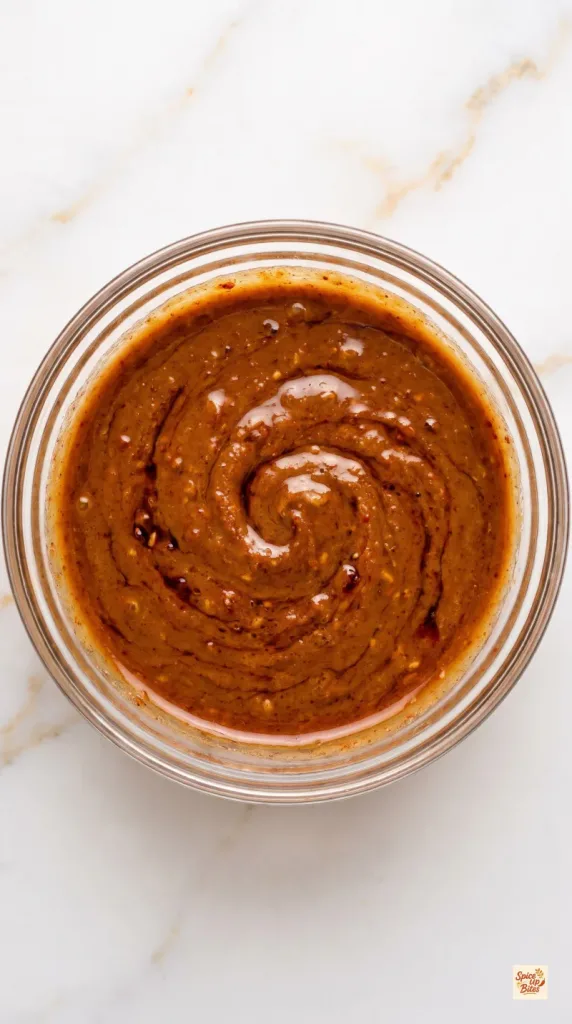
Whisk 3 tablespoons toasted sesame paste, 1½ tablespoons soy sauce, 2 teaspoons unseasoned rice vinegar, ½ teaspoon sugar, and 2 teaspoons chili oil in a small bowl until smooth.
Step 2: Brown the Pork
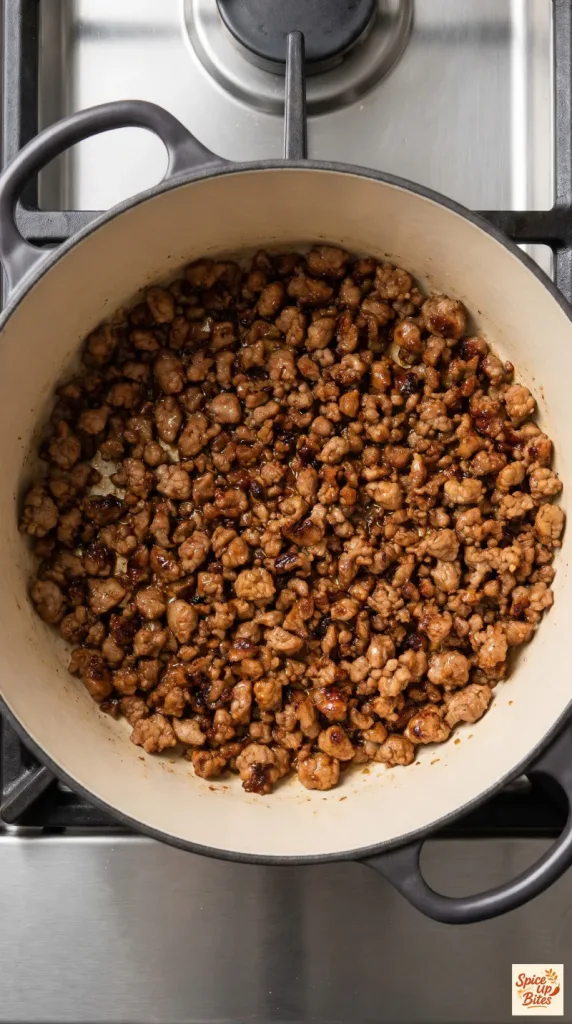
Heat 1 teaspoon neutral oil in a 4-quart Dutch oven over medium-high heat.
Add 8 oz ground pork and break it into small crumbles. Cook for 5–7 minutes, until browned and the pork reaches 160°F (71°C).
Stir in 1 tablespoon mirin, 2 teaspoons grated ginger, 2 minced garlic cloves, and 2 teaspoons doubanjiang. Cook for 1 minute, until fragrant and the crumbles are glossy.
Transfer the pork to a clean bowl.
Step 3: Heat the Broth
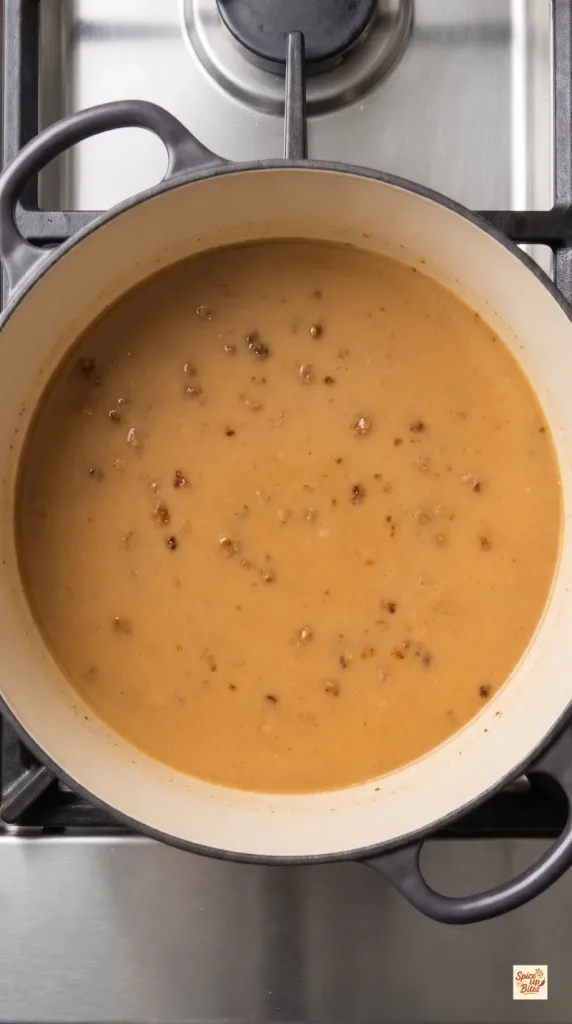
Add 2 cups low-sodium chicken stock to the same Dutch oven and scrape up the browned bits with a wooden spoon.
Pour in 2 cups unsweetened soy milk and heat over medium-low until you see the first tiny bubbles at the edge, about 5–7 minutes. Avoid a rolling boil.
Whisk a ladleful of the hot broth into all of the sesame base, a splash at a time, until it pours easily.
Turn off the heat. Whisk the thinned sesame base back into the Dutch oven, then cover to keep the broth warm.
Step 4: Blanch the Bok Choy and Boil the Noodles
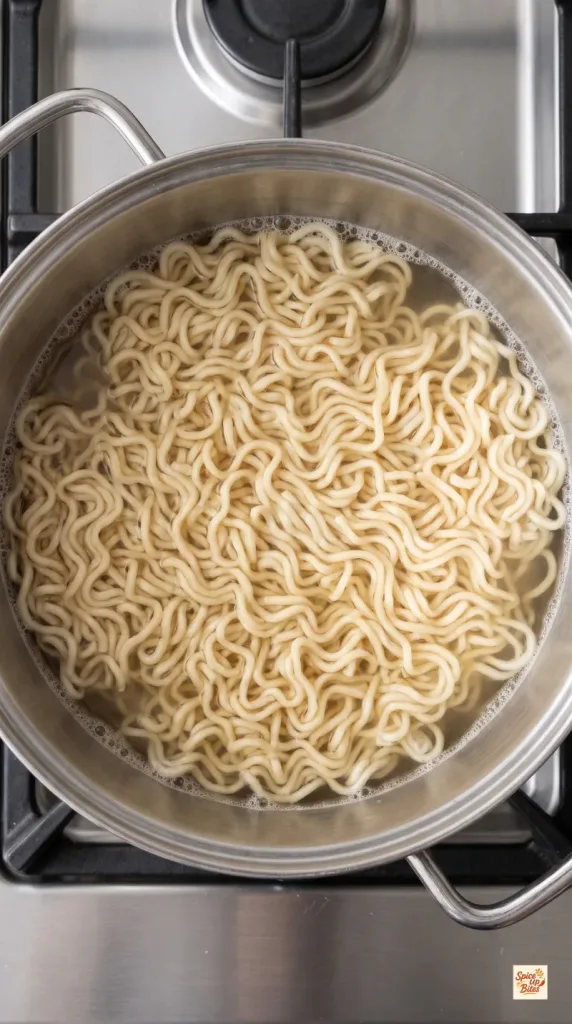
Bring 3 quarts water to a boil in a 5-quart pot. Start heating the water while the broth warms to save time.
Blanch the 4 baby bok choy halves for 60–90 seconds, until the leaves are bright and the stems are crisp-tender. Lift them out with tongs and let them drain.
Return the water to a boil. Cook 10 oz fresh medium-thick wavy ramen noodles according to the package, usually 2–3 minutes, until springy and just tender.
Drain the noodles well.
Step 5: Assemble and Serve
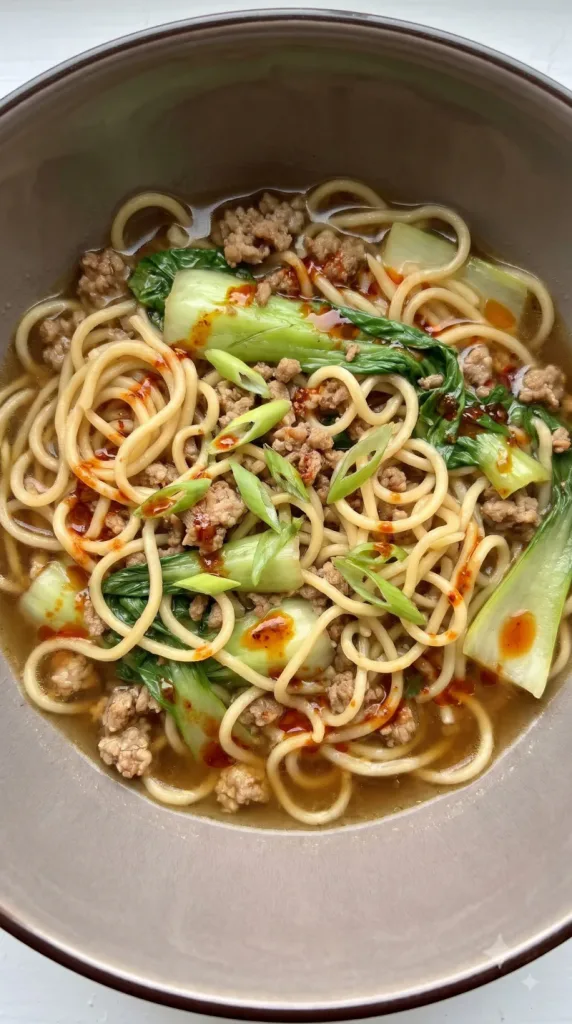
Lay all the drained noodles in the warm sesame broth and loosen the strands with tongs.
Spread the cooked pork crumbles in loose clusters across the noodles. Nestle the 4 blanched bok choy halves between them.
Scatter 2 thinly sliced scallions over the ramen and drizzle the remaining 1 teaspoon chili oil lightly across the surface.
Divide immediately between 2 ramen bowls, giving each bowl half the noodles, pork, and broth and 2 bok choy halves. Serve while the noodles are springy. Each bowl is a complete meal on its own.
Why This Recipe Works (Quick Science)
A splash of hot broth makes the thick sesame base easier to whisk into the pot. Adding it gradually helps the sesame paste disperse evenly, so the broth feels silky without little clumps.
Cooking the noodles separately keeps excess starch out of the broth. Gentle heat also helps keep the soy milk smooth. Once the noodles go into the broth, serve right away so they keep their chew.
Common Mistakes to Avoid
- Pouring from an unstirred jar: Stir the oil back into the sesame paste so you get both fat and toasted sesame solids in each spoonful.
- Crowding the pork into a mound: Spread it out so moisture can evaporate and the crumbles have a chance to brown.
- Boiling the soy broth hard: Stop at the first small bubbles around the edge. The broth can turn grainy if it boils.
- Draining the noodles too early: Time them to finish just before serving. Well-drained noodles keep the broth from tasting watered down.
What to Serve With Tan Tan Ramen
Each bowl already has noodles, pork, and greens. If you’d like something on the side, serve cold sliced cucumber with rice vinegar for a crisp bite between spoonfuls, or set out a small dish of steamed edamame.
Macros Information
These are estimated values per bowl, including all of the broth. Brands of noodles, stock, and chili bean paste can change the numbers.
- Calories: 760 kcal
- Protein: 40 g
- Carbohydrates: 63 g
- Fat: 39 g
- Saturated Fat: 10 g
- Fiber: 6 g
- Sugar: 7 g
- Sodium: 1,650 mg
Frequently Asked Questions (FAQ)
Q: What is doubanjiang?
A: It’s a salty, spicy paste made with fermented beans and chilies. Look for it in the Chinese pantry section. Its flavor is concentrated, so measure it before adding it to the pork.
Q: Can I use tahini instead of toasted sesame paste?
A: Yes. Use the same amount of well-stirred tahini. The broth will still be creamy, with a milder sesame flavor.
Q: Can I make it less spicy?
A: Use half the doubanjiang and half the chili oil. Taste the broth before finishing it so you can decide how much of the reserved oil to drizzle on top.
Q: Can I use dried ramen noodles?
A: Yes. Use two servings of plain dried ramen and follow the package timing. Save any seasoning packets for another use.
Q: Can I substitute the bok choy?
A: Yes. Baby spinach works well. Give it a quick dip in the boiling water and lift it out as soon as the leaves wilt.
Q: Can I make the broth ahead?
A: Yes. Cool the broth and pork promptly, then refrigerate them separately for up to 3 days. Reheat gently to 165°F (74°C) and cook the noodles just before serving.
Q: Why did my sesame paste thicken when I added broth?
A: Sesame paste can tighten when you first add liquid. Keep whisking in small splashes of hot broth and it will loosen into a smooth mixture.
Q: Can I double the recipe?
A: Yes. Use a larger pot for the broth and brown the pork in two batches so it has room to take on color. Cook the noodles at the end and divide everything among four bowls.
Final Thoughts
Tan Tan Ramen is worth making when you want a bowl with plenty of heat, a creamy broth, and noodles you can still sink your teeth into. If you make it, leave a comment and tell me how much chili oil you added.
Happy cooking!
1 thought on “Tan Tan Ramen”