
These Coconut Oatmeal Protein Cookies are soft, chewy, lightly sweet, and packed with coconut flavor. They are easy enough for a weekday snack but still feel like a treat. The oats give them a hearty bite, while protein powder and peanut butter make them more filling than a basic oatmeal cookie.
Makes: 12 cookies
Prep time: 10 minutes
Bake time: 10–12 minutes
Total time: About 25 minutes, plus cooling
Why I Love This Recipe
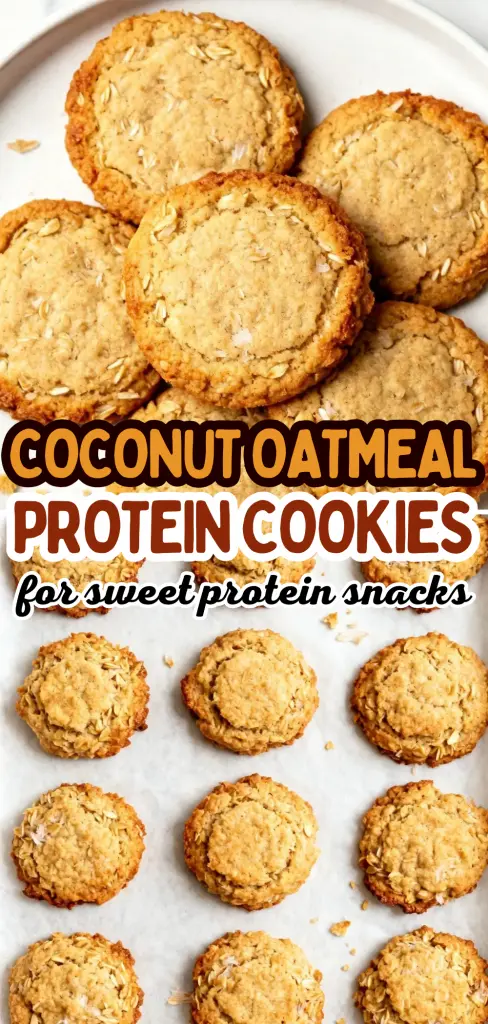
I started making oatmeal protein cookies because I wanted something between a snack and a classic cookie. Some protein cookies can turn dry or tough, so I wanted these to stay soft.
The combination of peanut butter, maple syrup, oats, and coconut does just that. Peanut butter adds richness, while maple syrup keeps the center moist. Coconut gives every bite a little extra chew.
I also like that there is no mixer needed. One bowl and a spoon can handle almost everything.
- Soft and chewy instead of dry
- Full of coconut and oatmeal texture
- About 6 grams of protein per cookie
- Made with simple ingredients
- No electric mixer needed
- Easy to freeze for later
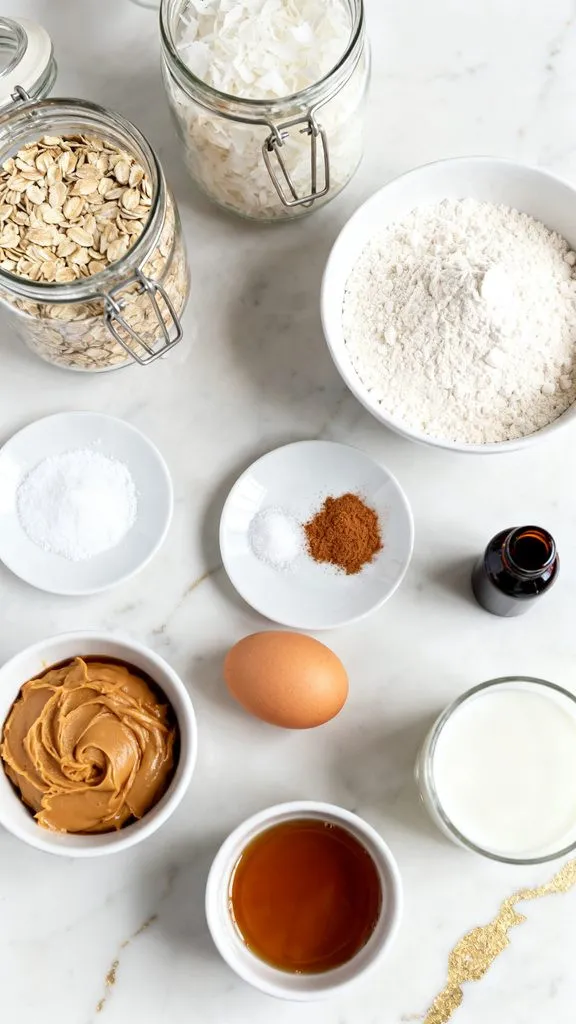
What You’ll Need
- 1 cup (90 g) old-fashioned rolled oats
- 1/2 cup (40 g) unsweetened finely shredded coconut
- 1/2 cup (50 g) vanilla protein powder
- 1/2 teaspoon baking soda
- 1/4 teaspoon fine salt
- 1/2 teaspoon ground cinnamon
- 1/2 cup (128 g) creamy peanut butter
- 1/3 cup (80 ml) pure maple syrup
- 1 large egg
- 1 teaspoon vanilla extract
- 2 tablespoons (30 ml) milk
Recipe and Instructions
Step 1: Get the Oven and Pan Ready
Heat the oven to 350°F (175°C). Line one large baking sheet with parchment paper. This helps the cookies bake evenly and makes cleanup much easier.
Step 2: Mix the Dry Ingredients
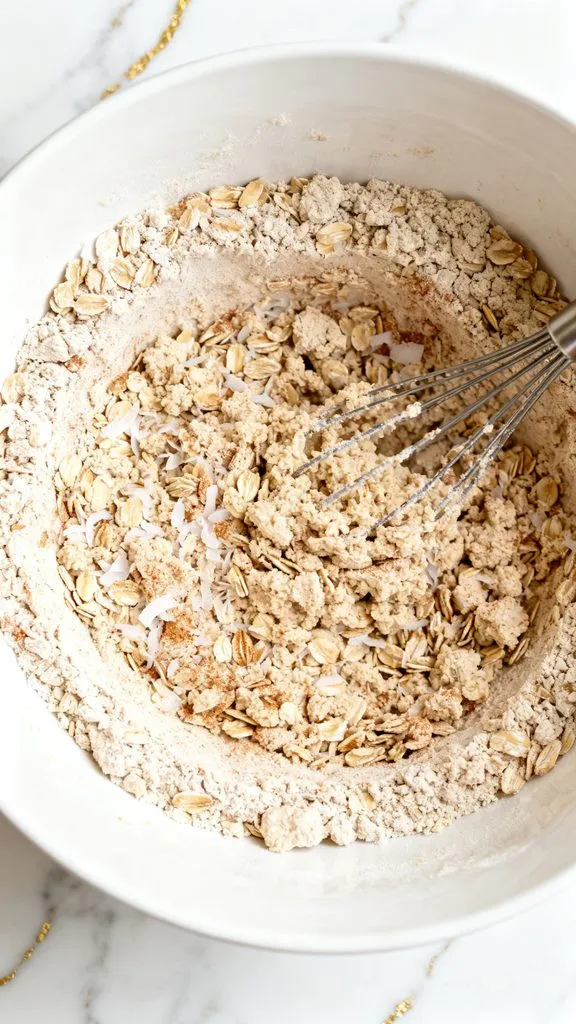
Put 1 cup (90 g) old-fashioned rolled oats, 1/2 cup (40 g) unsweetened finely shredded coconut, 1/2 cup (50 g) vanilla protein powder, 1/2 teaspoon baking soda, 1/4 teaspoon fine salt, and 1/2 teaspoon ground cinnamon into a medium mixing bowl.
Whisk until everything looks evenly mixed. Break up any little lumps of protein powder.
Step 3: Mix the Wet Ingredients
In a large mixing bowl, add 1/2 cup (128 g) creamy peanut butter, 1/3 cup (80 ml) pure maple syrup, 1 large egg, and 1 teaspoon vanilla extract.
Whisk until the mixture is smooth and glossy. You should not see separate streaks of egg.
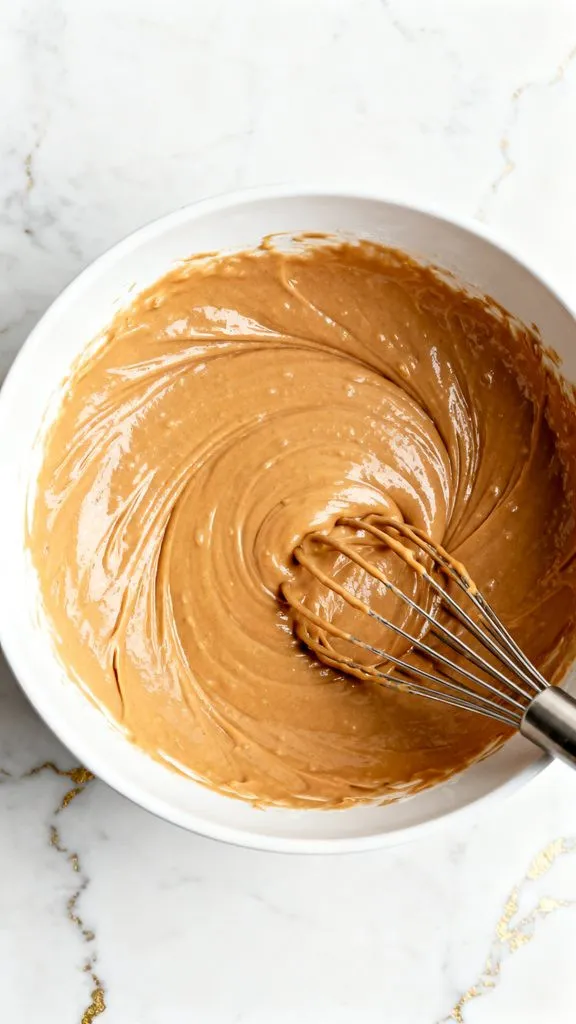
Step 4: Make the Cookie Dough
Pour the dry mixture from Step 2 into the wet mixture from Step 3. Add 2 tablespoons (30 ml) milk.
Stir with a silicone spatula until no dry protein powder remains. The dough should be thick, sticky, and easy to scoop. Let it sit for 5 minutes so the oats can soak up some moisture.
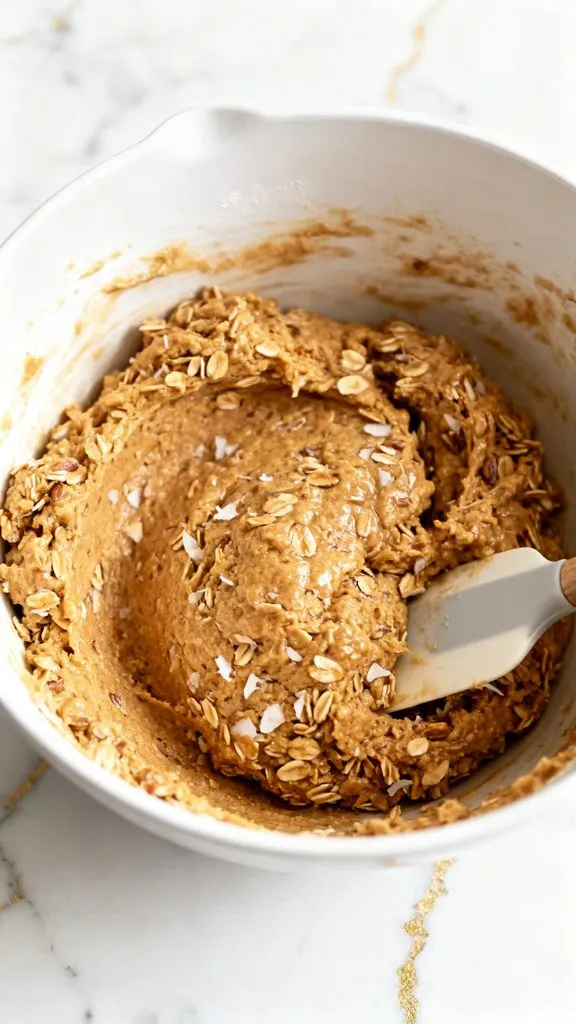
Step 5: Shape the Cookies
Divide the dough into 12 equal portions, about 2 tablespoons each. Place them on the prepared baking sheet with a little room between each one.
Gently press each mound down with your fingers or the back of a spoon until it is about 1/2 inch thick. These cookies do not spread very much, so shaping them now is important.
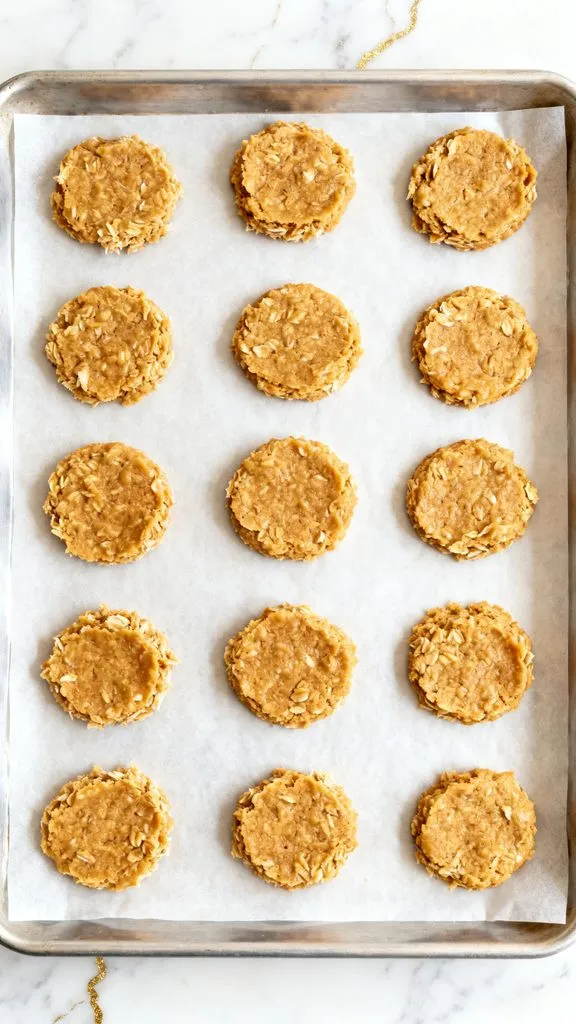
Step 6: Bake
Bake the 12 cookies at 350°F (175°C) for 10–12 minutes.
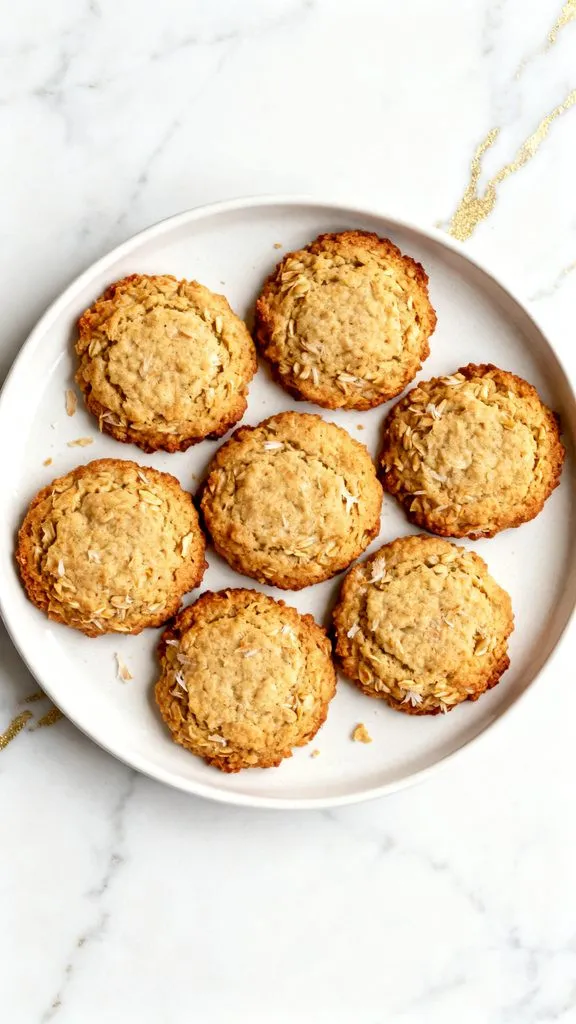
They are ready when the edges look set and lightly golden but the centers still look a little soft. Do not wait for the centers to become hard. They will continue to set after leaving the oven.
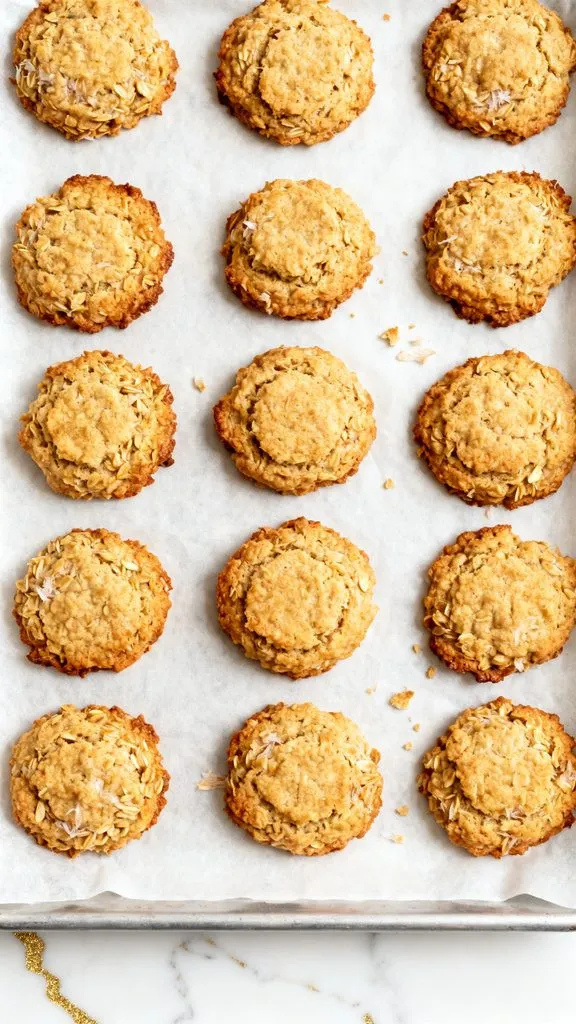
Step 7: Cool and Serve
Leave the cookies on the baking sheet for 5 minutes. They are delicate while hot.
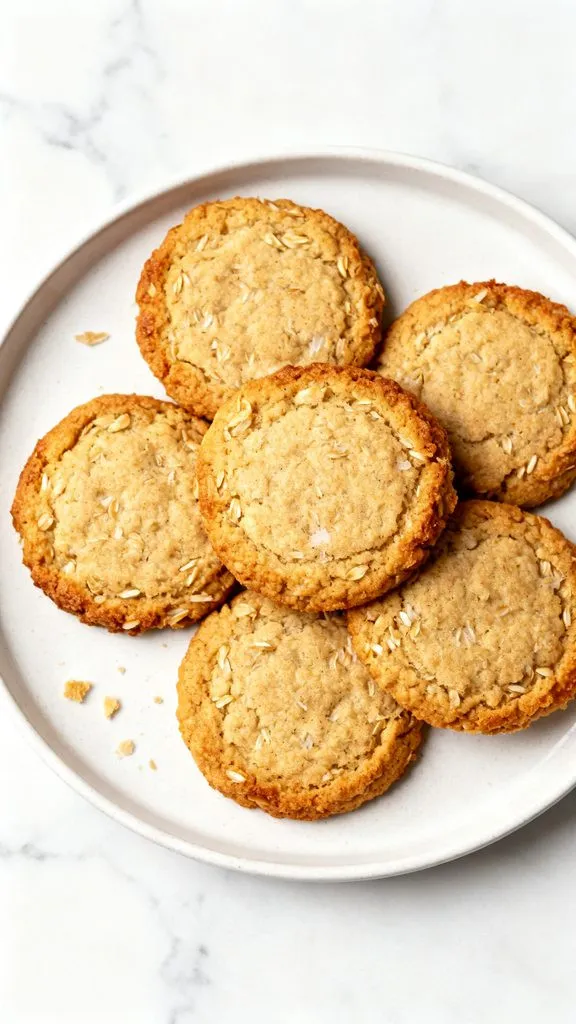
Move all 12 cookies to a wire rack and let them cool for another 10 minutes. Once cooled, place them on a round serving plate. The centers should stay soft and chewy.
Why This Recipe Works (Quick Science)
Oats hold moisture. Rolled oats slowly soak up liquid. Letting the dough sit for 5 minutes gives them time to soften and helps make the cookies chewy.
Peanut butter adds fat. Protein powder can make baked goods dry. The natural fat in peanut butter helps keep these cookies soft and rich.
Maple syrup does two jobs. It sweetens the cookies while also adding moisture. That is useful because protein powder absorbs quite a bit of liquid.
The egg holds everything together. Egg protein sets as the cookies bake, which helps the oats and coconut stay together.
A short bake protects the texture. Protein cookies can become firm quickly. Taking them out while their centers are still soft helps prevent dry cookies.
Pro Tips
- Measure the protein powder carefully. Too much is one of the easiest ways to make protein cookies dry.
- Use old-fashioned rolled oats. Quick oats will give you a softer, less chewy texture.
- Give the dough 5 minutes to rest. The oats need a little time to absorb moisture.
- Shape before baking. These cookies only spread a small amount.
- Do not overbake. Pull them out when the edges are set but the middle is still soft.
Tools You’ll Need
- Large mixing bowl
- Medium mixing bowl
- Whisk
- Silicone spatula or sturdy spoon
- Measuring cups
- Measuring spoons
- Digital kitchen scale, optional but helpful
- Cookie scoop or tablespoon
- Large baking sheet
- Parchment paper
- Wire cooling rack
- Round serving plate
Substitutions and Variations
- Almond butter: Replace peanut butter with the same amount of creamy almond butter.
- Sunflower seed butter: A good peanut-free choice. The flavor will be slightly different.
- Honey: Use the same amount instead of maple syrup. The cookies will taste a little sweeter.
- Chocolate protein powder: Swap it for vanilla protein powder for chocolate-coconut cookies.
- Chocolate chips: Fold in 1/3 cup mini chocolate chips for a sweeter cookie.
- Dairy-free: Use your favorite unsweetened non-dairy milk.
- More coconut flavor: Add 1/4 teaspoon coconut extract along with the vanilla.
Protein powders absorb liquid differently. If a substitution leaves your dough crumbly instead of thick and sticky, mix in another 1 tablespoon of milk.
Common Mistakes
- Adding too much protein powder: Scooping it tightly can add more than you think. Weighing 50 grams gives the most reliable result.
- Skipping the dough rest: The cookies may spread or bake differently because the oats have not had time to absorb moisture.
- Leaving the dough in balls: These cookies do not spread like classic sugar cookies. Flatten them before baking.
- Baking until hard: They should still feel soft in the middle when you remove them from the oven.
- Moving them right away: Hot cookies are fragile. Give them 5 minutes on the baking sheet first.
Macros Information
Approximate nutrition per cookie, based on 12 cookies:
- Calories: 160
- Protein: 6 g
- Carbohydrates: 16 g
- Fat: 9 g
- Fiber: 2 g
- Sugar: 7 g
These numbers are estimates. Your exact macros will change based on the protein powder, peanut butter, milk, and maple syrup you use.
What to Serve With
These cookies work well as a snack or simple breakfast treat. Try them with:
- A cold glass of milk
- Hot coffee
- Tea
- Greek yogurt and berries
- Fresh strawberries or banana slices
- A fruit smoothie
- A little extra peanut butter spread on top
Make Ahead Tips
You can prepare the dough, cover it tightly, and keep it in the refrigerator for up to 24 hours. Because the oats will keep absorbing moisture, let the chilled dough sit at room temperature for about 10 minutes before shaping. If it feels unusually dry, stir in 1–2 teaspoons of milk.
You can also shape the dough into 12 cookies and refrigerate them on a covered tray until you are ready to bake.
Leftovers and Storage
Keep fully cooled cookies in an airtight container at room temperature for up to 3 days.
For longer storage, refrigerate them for up to 1 week. Let a chilled cookie sit at room temperature for a few minutes before eating for a softer texture.
To freeze them, place cooled cookies in a freezer-safe container with parchment between the layers. Freeze for up to 3 months. Thaw at room temperature or warm one briefly in the microwave.
FAQ
Q: Can I use quick oats?
A: Yes, but the texture will change. Quick oats absorb moisture faster and make a softer cookie. Old-fashioned rolled oats give these cookies their best chewy texture.
Q: Why did my protein cookies turn out dry?
A: The most common causes are too much protein powder or baking too long. Different protein powders also absorb different amounts of liquid. If your raw dough seems crumbly, add another tablespoon of milk.
Q: Can I use whey protein powder?
A: Yes. Vanilla whey or a whey blend works well. Pure whey can sometimes bake a little drier, so watch the cookies closely near the end of the baking time.
Q: Can I use plant-based protein powder?
A: Yes, but plant protein often absorbs more liquid. You may need 1–2 extra tablespoons of milk to make a thick, sticky dough.
Q: How do I know when the cookies are finished?
A: Look at the edges. They should be set and lightly golden. The middle should still look soft when the cookies come out of the oven.
Q: Can I freeze the cookie dough?
A: Yes. Shape the dough first, freeze the portions until firm, and move them to a freezer bag. Thaw them in the refrigerator before baking.
Q: Are these cookies very sweet?
A: No. They have a mild sweetness from the maple syrup and vanilla protein powder. Adding chocolate chips will make them sweeter.
Final Thoughts
These Coconut Oatmeal Protein Cookies are a simple way to turn oats, coconut, peanut butter, and protein powder into a soft and satisfying homemade treat. The biggest trick is keeping the bake time short so those centers stay chewy.
Bake a batch, let them cool, and enjoy one while it is still a little warm. If you make the recipe, leave a comment and share how yours turned out or any questions you have.
2 thoughts on “Coconut Oatmeal Protein Cookies”