
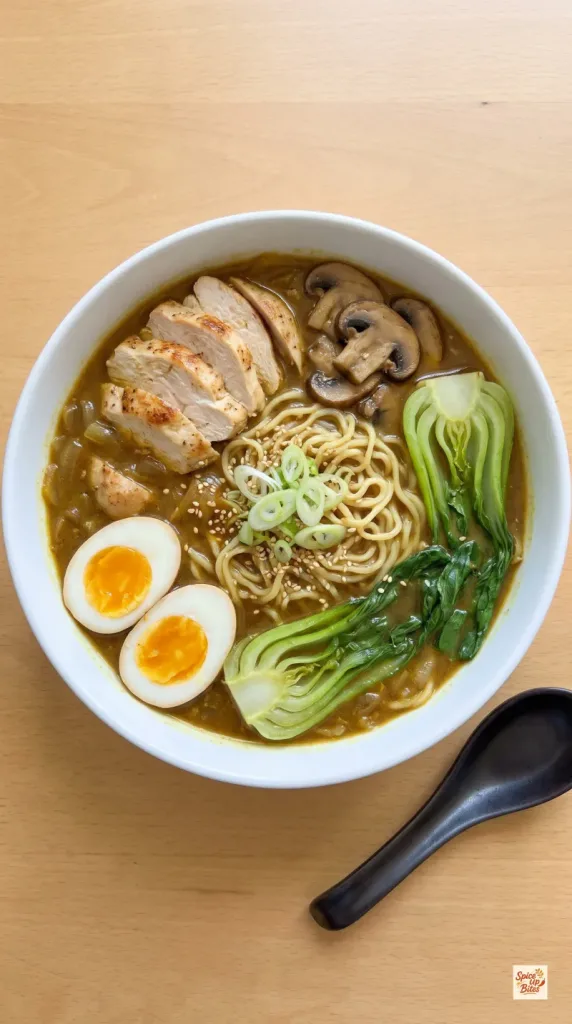
Japanese Curry Ramen brings chewy noodles and warm curry spices together in a rich, savory bowl. Japanese curry roux makes the broth smooth without a long simmer. Sliced chicken, mushrooms, bok choy and eggs make it a filling dinner. It is ready in about 35 minutes, with a few simple steps running side by side.
Why I Love This Recipe
The appeal is in the balance: a mellow, gently sweet curry broth, springy noodles and fresh scallions. A small amount of roux adds body while leaving plenty of broth to sip. You can choose mild or hot roux without changing the basic method.
- Big flavor: Japanese curry roux brings spices and thickening in a handy block.
- A full meal: Chicken, eggs, vegetables and noodles share the bowl.
- Flexible heat: Mild roux gives warmth without a strong chili kick.
- Better noodle texture: Cooking the noodles separately keeps the soup from turning starchy.
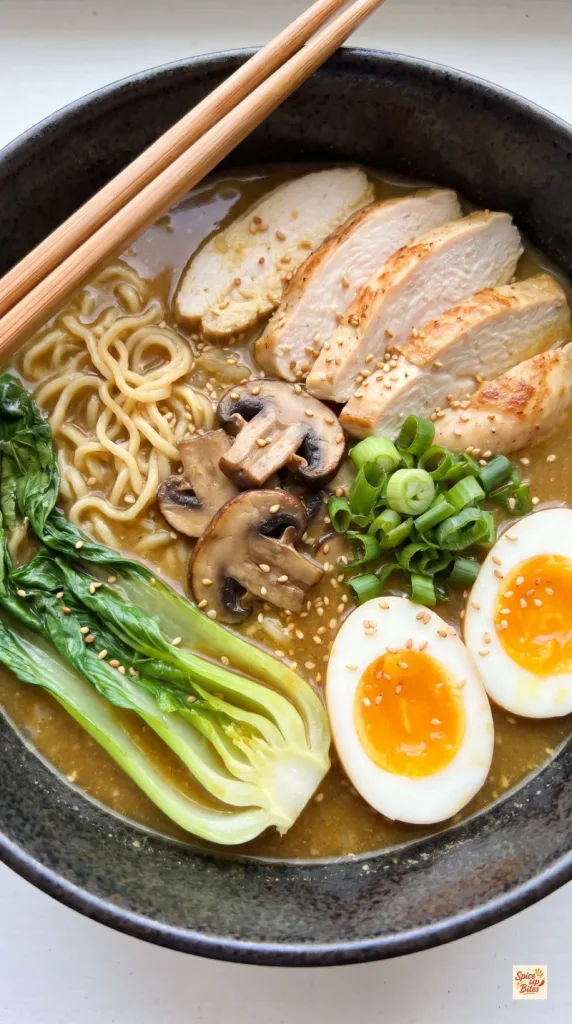
What You’ll Need
- Servings: 2 generous bowls
- Prep Time: 10 minutes
- Cook Time: 25 minutes
- Total Time: 35 minutes
Ingredients
- 2 large eggs
- 1 tablespoon neutral oil
- 10 ounces boneless, skinless chicken breast, cut horizontally into thin cutlets
- 1/4 teaspoon ground black pepper
- 1 small onion, about 4 ounces, thinly sliced
- 4 ounces shiitake mushrooms, stems removed and caps sliced
- 2 garlic cloves, minced
- 2 teaspoons finely grated fresh ginger
- 4 cups low-sodium chicken broth
- 1 3/4 ounces (50 g) Japanese curry roux blocks, chopped; use the weight because block sizes vary
- 1 teaspoon low-sodium soy sauce
- 2 small baby bok choy, about 6 ounces total, cut lengthwise into quarters and rinsed
- 6 ounces dried ramen noodles, without seasoning packets
- 2 scallions, thinly sliced
- 1 teaspoon toasted sesame seeds
- 1/2 cup water, reserved for adjusting the broth if needed
- Water for boiling the eggs and noodles, plus ice water for cooling the eggs
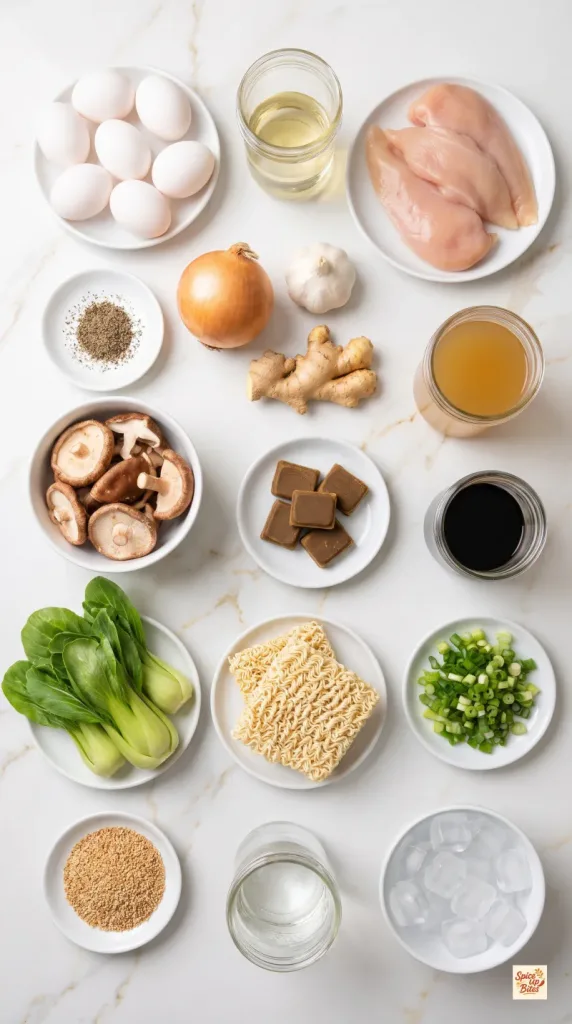
Tools You Need
- Large stainless-steel skillet
- Medium stainless-steel saucepan for the broth
- Saucepan for eggs and noodles
- Instant-read meat thermometer
- Wooden cutting board and sharp knife
- Fine grater, tongs and ladle
- Colander and glass bowl for the ice bath
- Deep ramen bowls and chopsticks
How to Make Japanese Curry Ramen
Prepare the toppings while the broth comes together, then cook the noodles just before serving.
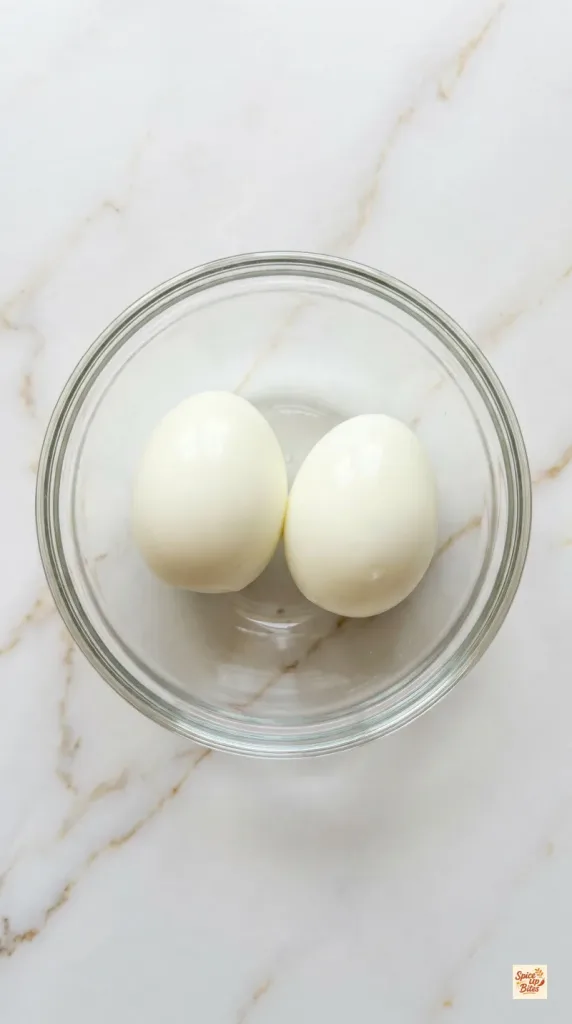
Step 1: Cook the Eggs
Bring a saucepan of enough water to cover 2 large eggs to a gentle boil.
Lower in the eggs and cook at a gentle boil for 10 minutes, until the whites and yolks are set.
Transfer the eggs to ice water for 5 minutes, then peel. Leave them whole until serving. Start the chicken while the eggs cook.
Step 2: Sear the Chicken
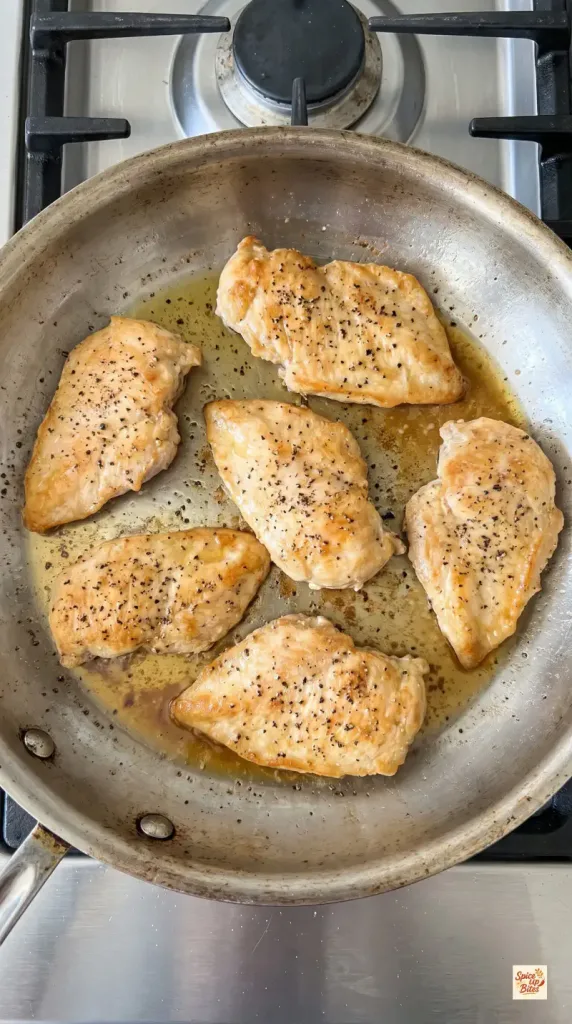
Heat 1 tablespoon neutral oil in a large skillet over medium-high heat.
Season 10 ounces chicken breast cutlets with 1/4 teaspoon ground black pepper and lay them in the skillet.
Cook for 3–4 minutes per side, until lightly browned and the thickest part reaches 165°F (74°C). Very thin pieces may finish sooner.
Transfer to a clean wooden cutting board and rest for 5 minutes before slicing across the grain. Reserve the skillet with its oil and browned bits.
Step 3: Soften the Vegetables
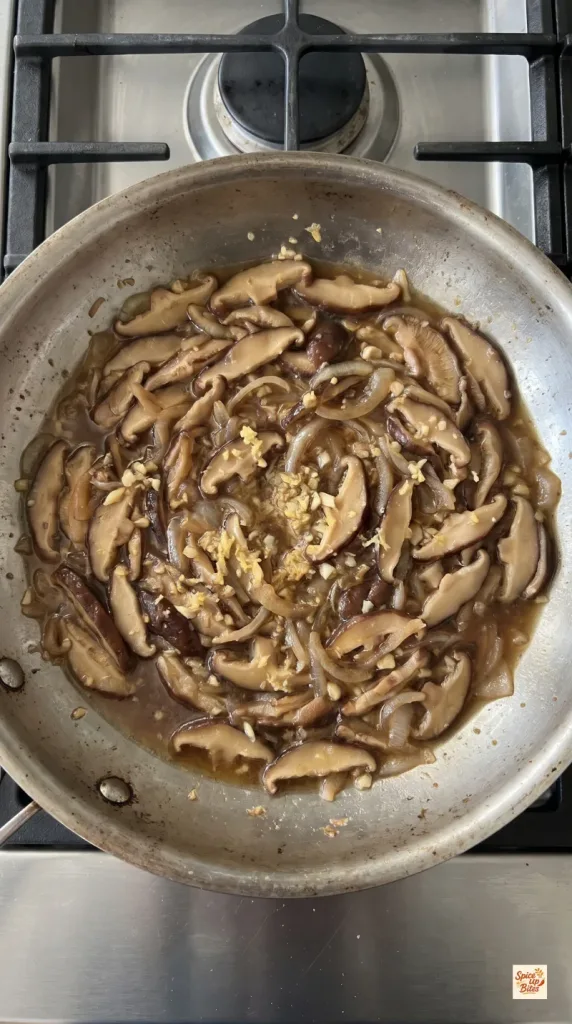
Return the skillet to medium heat. Add 1 small onion (about 4 ounces), thinly sliced, and 4 ounces sliced shiitake mushroom caps to the reserved oil.
Cook for 5 minutes, stirring often, until the onion softens and the mushrooms shrink. If the pan is dry, use 2 tablespoons from the measured 4 cups chicken broth to loosen the browned bits.
Stir in 2 minced garlic cloves and 2 teaspoons grated ginger for 30 seconds, just until fragrant.
Step 4: Make the Curry Broth
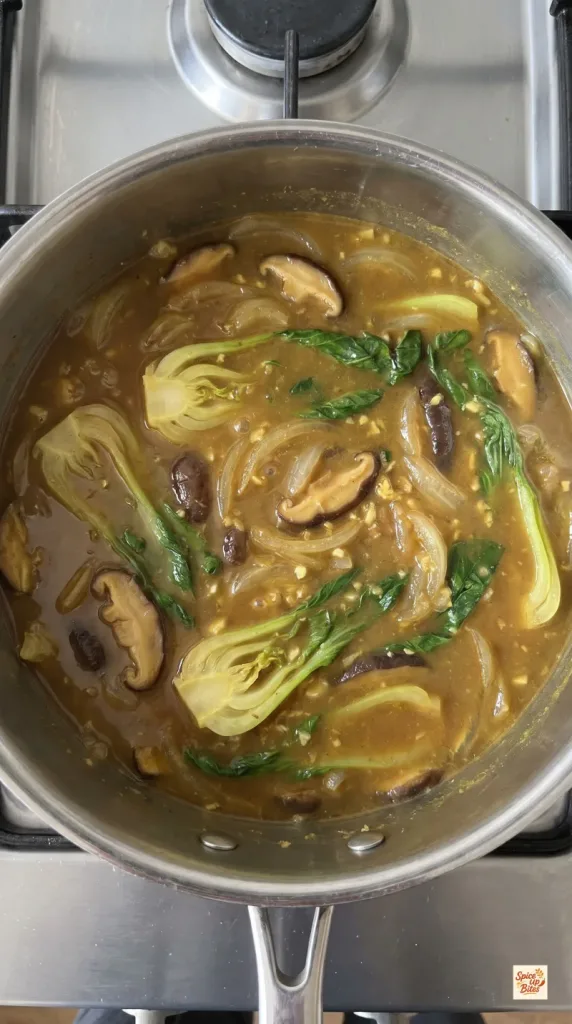
Transfer all the vegetables and pan juices to a medium saucepan. Add the 4 cups low-sodium chicken broth, minus any used to loosen the skillet.
Bring to a simmer, then remove from the heat. Add 50 g chopped Japanese curry roux and stir until fully dissolved.
Return to low heat and simmer gently for 3 minutes, stirring along the bottom so the roux does not stick.
Add 2 small quartered baby bok choy (about 6 ounces total) and simmer for 3 minutes, until the stems are tender and the leaves have wilted.
Stir in 1 teaspoon low-sodium soy sauce. The broth should coat a spoon lightly but still pour easily. If needed, stir in the reserved 1/2 cup water, a little at a time; you may not need all of it. Keep over very low heat while the noodles cook.
Step 5: Cook the Noodles
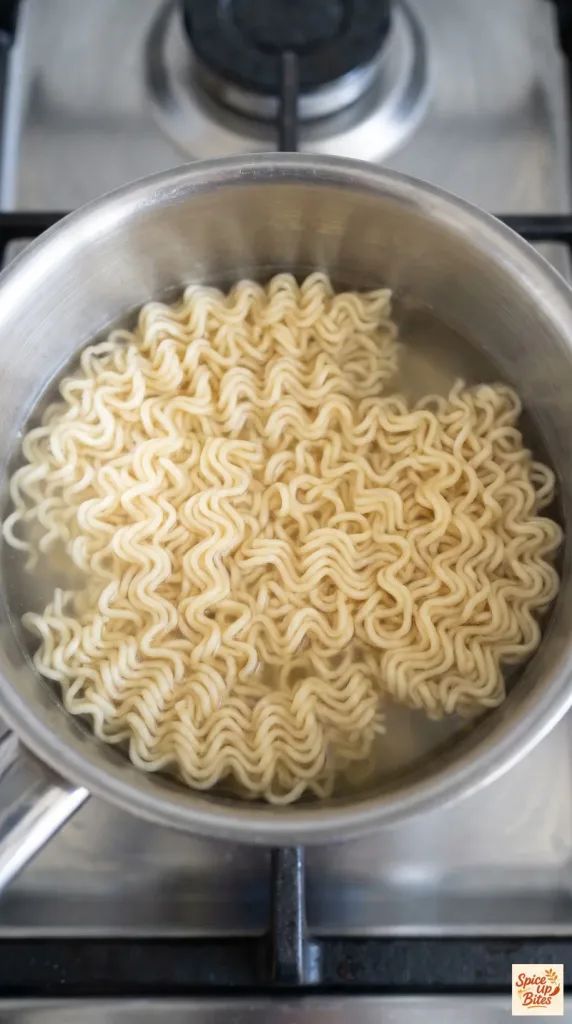
Bring a fresh saucepan of water to a boil. Add 6 ounces dried ramen noodles and cook according to the package, usually 3–5 minutes, until springy and just tender.
Drain well. Do not leave the noodles sitting in their cooking water, and do not add a seasoning packet.
Step 6: Assemble and Serve
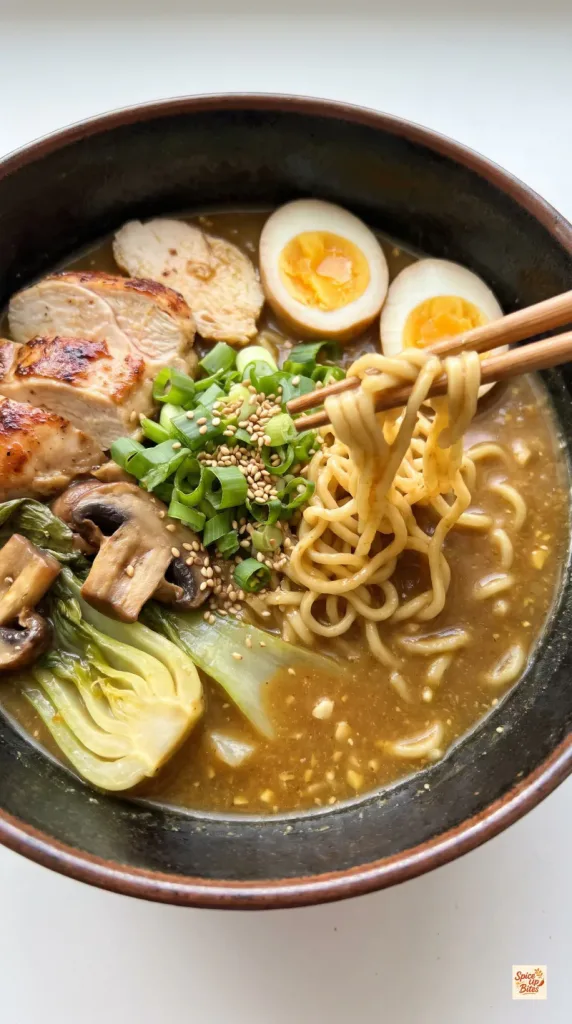
Divide the cooked noodles from 6 ounces dried ramen between two deep bowls.
Ladle half the curry broth, mushrooms, onion and bok choy into each bowl, keeping some noodles visible above the broth.
Divide the sliced chicken from 10 ounces chicken breast between the bowls. Halve the 2 cooked eggs lengthwise and add two halves to each serving.
Finish with the 2 sliced scallions and 1 teaspoon toasted sesame seeds, divided evenly. Serve right away while the noodles are springy.
This is a complete meal on its own. For a fresh side, offer a simple cucumber salad separately.
Why This Recipe Works (Quick Science)
Japanese curry roux contains flour and fat as well as spices. When the roux dissolves and heats in the broth, its starch thickens the liquid. Taking the pan off the heat first makes the blocks easier to break up without scorching.
The broth stays lighter than curry served over rice because there is more liquid for the amount of roux. Cooking the noodles separately also keeps their extra starch out of the soup. Seared chicken adds savory depth, while bok choy goes in late so its stems stay tender rather than mushy.
Common Mistakes to Avoid
- Measuring roux by block count: Blocks vary in size. Weigh out 50 g for consistent broth.
- Using a full seasoning packet: Broth and curry roux already contain salt. Extra seasoning can overwhelm the bowl.
- Boiling hard after adding roux: A gentle simmer and regular stirring help prevent sticking.
- Cooking everything in one pot: Noodles absorb liquid quickly and can make the broth heavy.
- Adding toppings too early: Keep the chicken and eggs aside until assembly so they do not overcook.
Pro Tips
- Read the roux label for heat level and allergens. Many brands contain wheat, and some contain milk or meat ingredients.
- Slice the chicken across the grain for a tender bite.
- A warm bowl helps the ramen stay hot while you add the toppings.
- Use the broth’s flow as your guide. It should slip easily from a ladle rather than land like thick gravy.
Substitutions and Variations
- Fresh ramen: Use two portions, roughly 10–12 ounces total, and follow their package cooking time.
- Different mushrooms: Sliced cremini mushrooms can replace the shiitake caps by weight.
- More heat: Choose hot Japanese curry roux instead of mild. Thai curry paste will give a different flavor and will not thicken the broth in the same way.
- Vegetarian bowls: Use vegetable broth, vegetarian curry roux and pan-seared firm tofu in place of chicken. Check all labels and adjust the cooking time for tofu.
What to Serve With Japanese Curry Ramen
The noodles, chicken, eggs and vegetables make these bowls filling enough to serve alone. A simple cucumber salad adds a cool, crisp contrast if you want a side. Keep extra sides light so the curry broth stays the focus.
Leftovers and Storage
Store broth, chicken, eggs and noodles in separate covered containers in the refrigerator within 2 hours. Use within 3 days. The noodles will soften during storage, so fresh noodles give the best leftovers.
Reheat the broth in a saucepan, adding a splash of water if it has thickened. Heat leftover chicken to 165°F (74°C), then add freshly cooked noodles and the toppings. Warm peeled eggs gently in hot water rather than microwaving them whole.
The broth without noodles, eggs or bok choy can be frozen for up to 2 months. Thaw in the refrigerator before reheating and add fresh greens and noodles.
Macros Information
Estimated per serving, including half the broth and all listed toppings. Values vary with the noodle, broth and curry roux brands.
- Calories: 780
- Protein: 52 g
- Carbohydrates: 88 g
- Fat: 25 g
- Saturated Fat: 7 g
- Fiber: 7 g
- Sugar: 10 g
- Sodium: 1,650 mg
Frequently Asked Questions (FAQ)
Q: What is Japanese Curry Ramen?
A: It combines ramen noodles with broth flavored and lightly thickened with Japanese curry. This version uses chicken, vegetables and eggs.
Q: Is it spicy?
A: That depends on the roux. Mild Japanese curry is usually gently spiced and slightly sweet. Choose a hotter block if you prefer more heat.
Q: Can I use curry powder instead of roux?
A: Not as a direct swap. Powder brings spices but lacks the roux’s flour, fat and built-in seasoning. The broth would need a separate thickener and seasoning changes.
Q: Can I use instant ramen?
A: Yes. Use 6 ounces of plain noodles and discard the seasoning packets. Check the package weight because packet sizes differ.
Q: Why did the broth turn too thick?
A: Too much roux, a long simmer or noodles stored in the soup can thicken it. Stir in hot water a little at a time until it pours freely.
Q: Can I make it ahead?
A: Make the broth, chicken and eggs ahead and chill them separately. Cook the noodles and add the fresh toppings just before eating.
Q: Does it need coconut milk?
A: No. Japanese curry roux gives this broth body without coconut milk. Adding it would change the flavor and richness.
Q: Can I leave out the eggs?
A: Yes. The chicken still adds protein, and the rest of the recipe stays the same. Nutrition will change.
Final Thoughts
Japanese Curry Ramen is a cozy way to turn noodles and a few useful staples into a full dinner. Keep the broth pourable, cook the noodles at the end and enjoy the toppings in every bite. Leave a comment with the heat level you chose or your favorite noodle swap. Happy cooking!