
This butternut squash cottage cheese sauce is creamy, cozy, and so easy to love. It has that rich, velvety feel of a classic cream sauce, but it gets there with roasted squash and cottage cheese instead of heavy cream. I’ve made versions of this when I wanted something comforting that still felt fresh and light, and this one hits that sweet spot every time.

Why I Love This Recipe
What I love most is how the butternut squash gives the sauce natural sweetness and body, while the cottage cheese adds protein and makes it smooth and rich. It tastes like comfort food, but it still feels balanced.
- It is creamy without using a lot of cream
- It has a mellow, slightly sweet flavor from the roasted squash
- It blends into a smooth sauce that clings really well to pasta
- It feels cozy enough for a cold night but light enough for any time of year
- It is a smart way to turn simple ingredients into something that tastes restaurant-worthy
Servings and Time
This recipe makes 4 servings.
Prep time: 15 minutes
Cook time: 30 minutes
Total time: 45 minutes
What You’ll Need
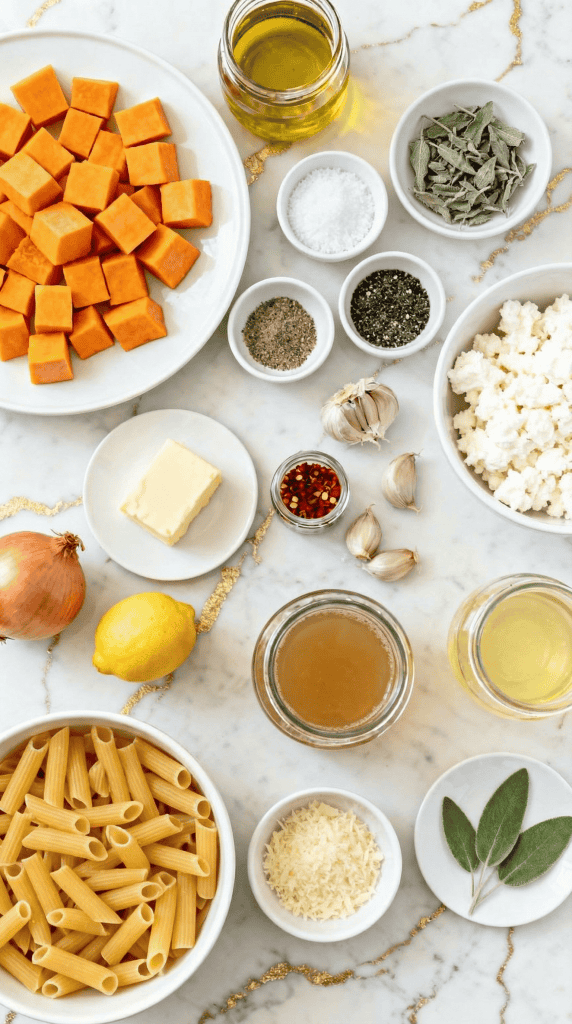
- 4 cups peeled butternut squash, cut into 1-inch cubes
- 1 tablespoon olive oil
- 1 teaspoon kosher salt, divided
- 1/2 teaspoon black pepper, divided
- 1 tablespoon unsalted butter
- 1/2 cup diced onion
- 3 garlic cloves, minced
- 1/2 teaspoon dried sage
- 1/4 teaspoon crushed red pepper flakes, optional
- 1 cup full-fat cottage cheese
- 1/2 cup grated parmesan cheese, plus more for serving
- 1/2 cup low-sodium vegetable broth, plus more as needed
- 1 tablespoon lemon juice
- 12 ounces pasta, such as penne, rigatoni, or shells
- 2 tablespoons reserved pasta water, plus more as needed
- 6 small sage leaves or 1 tablespoon chopped parsley, for serving, optional
Pro Tips
- Roast the squash until it is really tender and lightly golden at the edges. That deeper flavor makes the sauce taste richer.
- Blend the sauce while the squash is still warm. It helps the cottage cheese melt in smoothly.
- Save more pasta water than you think you need. A splash or two can turn a thick sauce into a silky one fast.
- Grate your own parmesan if you can. It melts better and gives the sauce a smoother finish.
- Start with the smaller amount of broth, then add more only if needed. It is easier to thin the sauce than to make it thicker again.
Tools Required
- Chef’s knife
- Cutting board
- Sheet pan
- Parchment paper, optional
- Large pot
- Colander
- Large skillet or sauté pan
- Wooden spoon
- Blender or food processor
- Measuring cups and spoons
Substitutions and Variations
- Use ricotta instead of cottage cheese for a softer, slightly less tangy flavor.
- Swap vegetable broth for chicken broth if that is what you have.
- Use pecorino romano instead of parmesan for a saltier, sharper finish.
- Add a handful of baby spinach to the hot sauce after blending for extra greens.
- Stir in cooked Italian sausage or shredded rotisserie chicken for more protein.
- Use gnocchi instead of pasta for an extra cozy dinner.
- Add a pinch of nutmeg for a warmer flavor.
Make-Ahead Tips
You can roast the squash up to 3 days ahead and keep it in the fridge. The full sauce can also be blended ahead and stored in the fridge for up to 3 days. Reheat it gently on the stove with a splash of broth or water to loosen it before tossing with fresh-cooked pasta.
Butternut Squash Cottage Cheese Sauce Recipe
Step 1: Roast the butternut squash
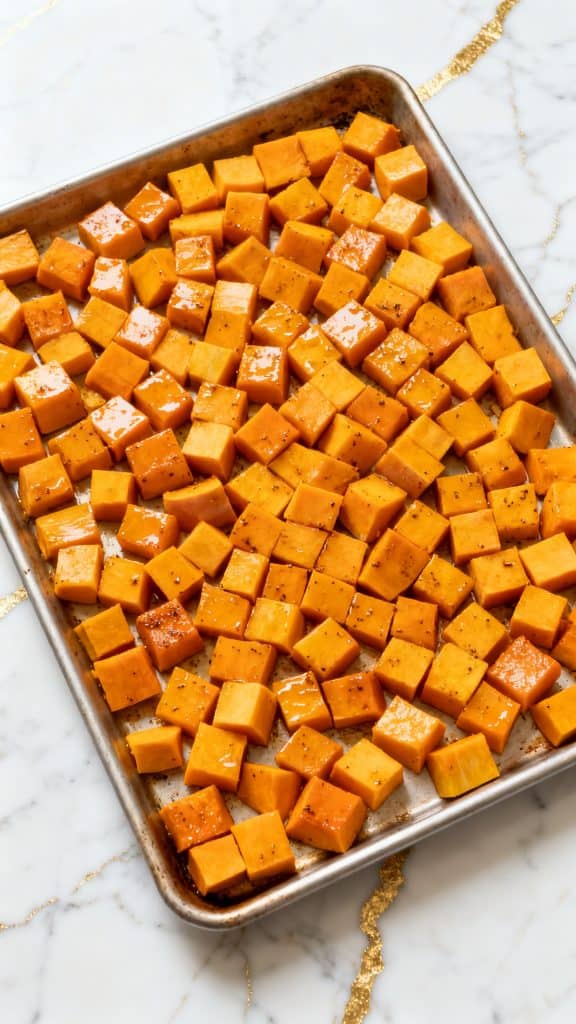
Preheat your oven to 425°F. Add 4 cups peeled butternut squash cubes to a sheet pan. Drizzle with 1 tablespoon olive oil and sprinkle with 1/2 teaspoon kosher salt and 1/4 teaspoon black pepper. Toss everything well so the squash is coated, then spread it into one layer. Roast for 25 to 30 minutes, until the squash is very tender and lightly browned at the edges.
Step 2: Cook the pasta
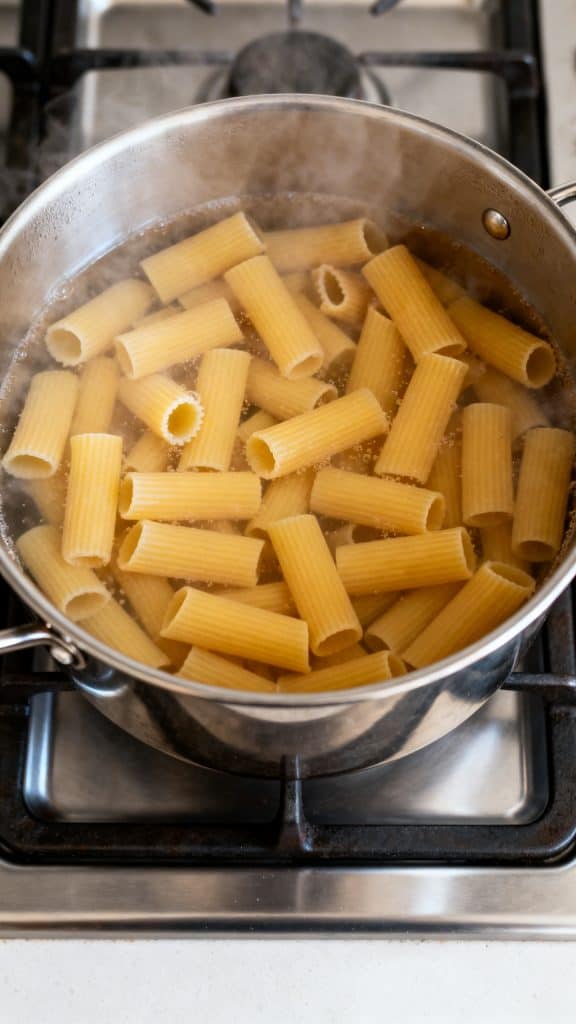
While the squash roasts, bring a large pot of salted water to a boil. Add 12 ounces pasta and cook until al dente according to the package directions. Before draining, scoop out at least 1/2 cup pasta water. Drain the pasta and set it aside.
Step 3: Sauté the onion and garlic
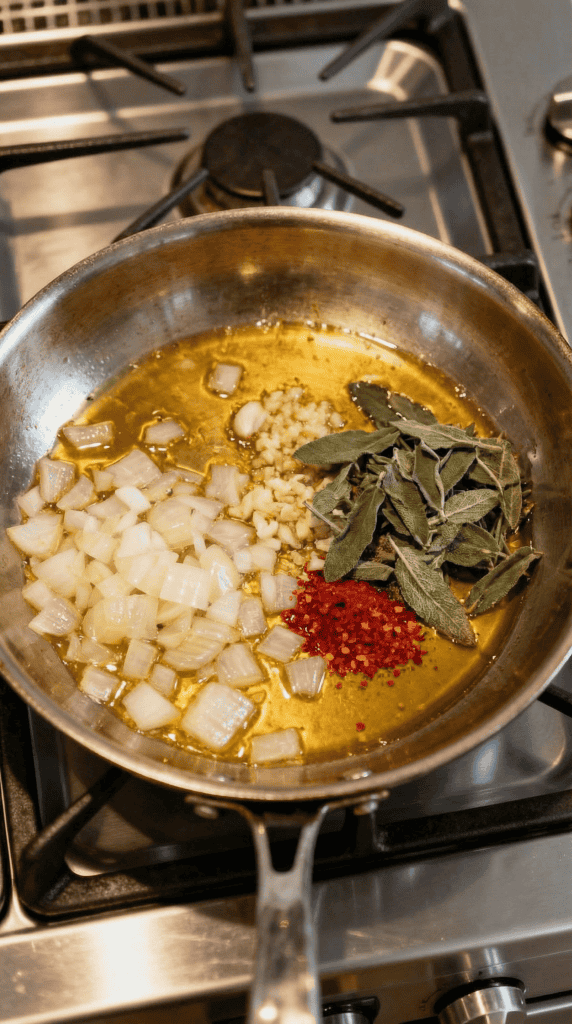
Set a large skillet over medium heat. Add 1 tablespoon unsalted butter. Once melted, add 1/2 cup diced onion and cook for 4 to 5 minutes, stirring often, until soft and translucent. Add 3 minced garlic cloves, 1/2 teaspoon dried sage, and 1/4 teaspoon crushed red pepper flakes if using. Cook for 30 seconds, just until fragrant.
Step 4: Blend the sauce
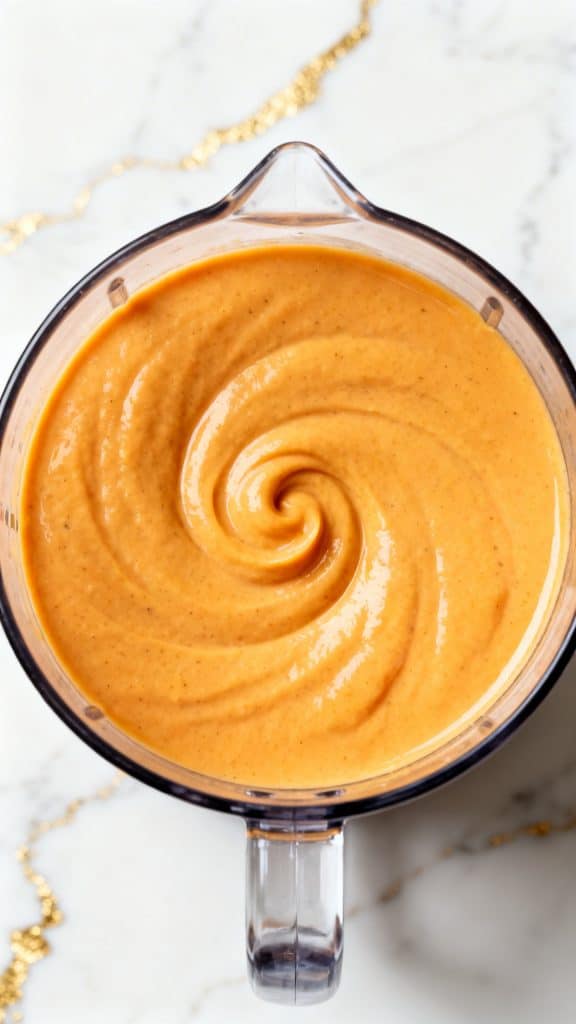
Add the roasted butternut squash, the cooked onion mixture, 1 cup full-fat cottage cheese, 1/2 cup grated parmesan cheese, 1/2 cup vegetable broth, 1 tablespoon lemon juice, the remaining 1/2 teaspoon kosher salt, and the remaining 1/4 teaspoon black pepper to a blender. Blend until very smooth and creamy. If the sauce looks too thick, add another splash of broth.
Step 5: Warm the sauce
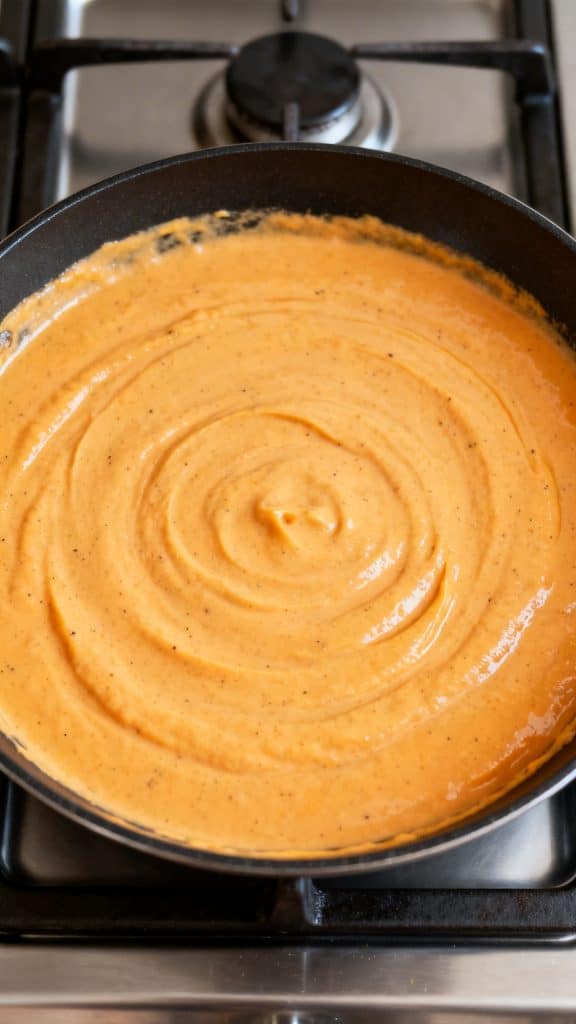
Pour the blended sauce back into the skillet and set it over low heat. Stir gently for 2 to 3 minutes until hot. If it seems too thick, stir in 2 tablespoons reserved pasta water, adding a little more if needed, until it looks glossy and smooth.
Step 6: Toss with the pasta
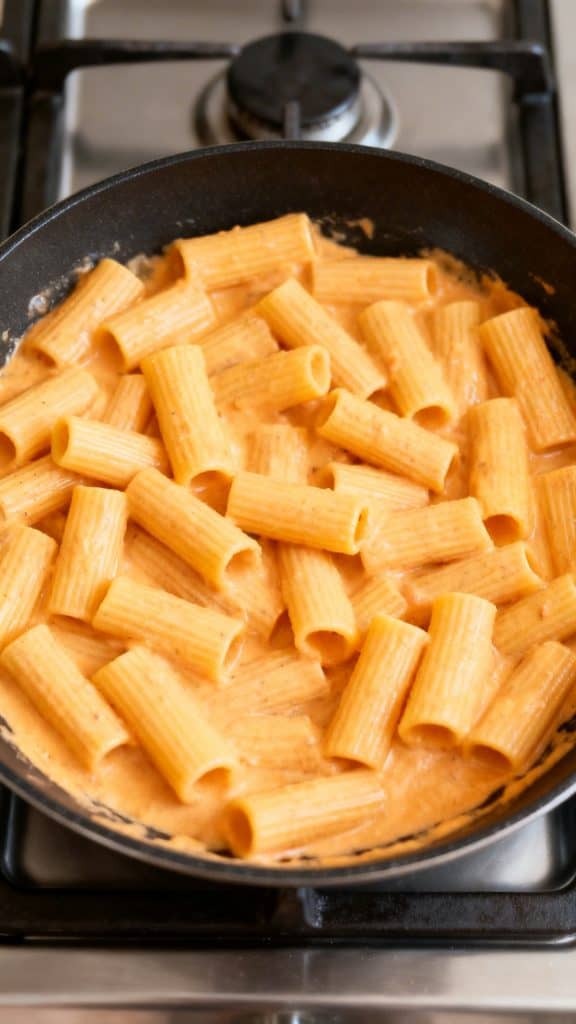
Add the drained cooked 12 ounces pasta to the warm sauce. Toss until every piece is coated. Let it sit for 1 minute so the pasta can soak up some of the sauce. Add another splash of pasta water if you want it a little looser.
Step 7: Finish and serve
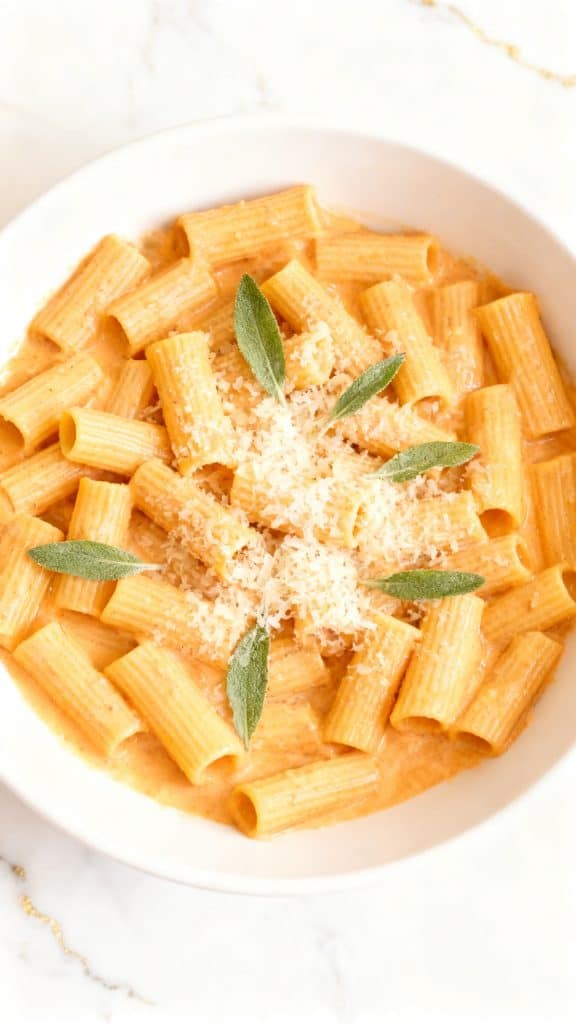
Spoon the pasta into a round bowl or onto a round plate. Top with extra grated parmesan and 6 small sage leaves or 1 tablespoon chopped parsley if using. Serve right away while hot.
Why This Recipe Works (Quick Science)
Butternut squash is full of natural starch and fiber, so when it is roasted and blended, it turns silky and thick without needing heavy cream. Cottage cheese brings protein and moisture, and when it is blended with hot squash, it smooths out into the sauce. Parmesan adds salt and umami, which makes the whole dish taste deeper and more savory. Lemon juice wakes everything up and keeps the sauce from tasting flat or too sweet.
Macros Information
These numbers are estimated for 1 of 4 servings.
- Calories: about 430
- Protein: about 21 grams
- Carbohydrates: about 52 grams
- Fat: about 15 grams
- Fiber: about 5 grams
- Sugar: about 6 grams
- Sodium: about 560 milligrams
Common Mistakes
- Not roasting the squash long enough. If the squash is not very tender, the sauce will not blend as smoothly.
- Using too little salt. Butternut squash is naturally sweet, so the sauce needs enough seasoning to taste balanced.
- Skipping the pasta water. That starchy water helps the sauce cling to the pasta.
- Heating the sauce on high. Gentle heat keeps the cottage cheese sauce smooth.
- Overcooking the pasta. Since it cooks a little more when tossed with the hot sauce, stop at al dente.
What to Serve With
- A simple arugula salad with lemon vinaigrette
- Garlic bread or warm crusty bread
- Roasted broccoli or green beans
- Grilled chicken or Italian sausage
- Crispy chickpeas for a meatless topping
Leftovers and Storage
Store leftovers in an airtight container in the fridge for up to 3 days. The sauce will thicken as it sits, so reheat it gently on the stove or in the microwave with a splash of broth, milk, or water. Stir well before serving. I do not recommend freezing the finished pasta because the texture can turn grainy, but the sauce on its own freezes better than the full pasta dish.
FAQ
Can I make this sauce without pasta?
Yes. It also works over gnocchi, roasted vegetables, spaghetti squash, or even as a sauce for baked chicken.
Does the cottage cheese taste strong?
No. Once blended with the roasted squash, garlic, onion, and parmesan, it tastes mild and creamy.
Can I use frozen butternut squash?
Yes. Roast it straight from frozen, but it may need a little extra time in the oven to get tender and lightly browned.
Do I have to blend the sauce?
Yes, for the smoothest texture. A blender or food processor works best. Without blending, the cottage cheese and squash will stay more textured.
Can I make it gluten-free?
Yes. Just use your favorite gluten-free pasta and cook it according to the package directions.
Final Thoughts
This butternut squash cottage cheese sauce is one of those recipes that feels both simple and special. It gives you a creamy, cozy pasta dinner with easy ingredients and a lot of flavor. The sauce is smooth, savory, and just a little sweet from the squash, and it comes together in a way that feels really satisfying. I hope you make it, enjoy every bite, and come back to share how it turned out or ask any questions you have.