
Miso Peanut Ramen Bowls bring chewy noodles, tender tofu and a rich, nutty broth to the table in 30 minutes. White miso adds a savory depth that balances the peanut butter. Mushrooms and spinach make each bowl feel generous without a long list of toppings. This is a cozy, Japanese-inspired dinner with simple steps and plenty of flavor.
Why I Love This Recipe
The appeal is in the balance: a creamy broth that still feels like soup, springy noodles and soft vegetables in every bite. You get plenty of flavor from a small amount of miso, so there is no need to simmer stock for hours.
- Fast dinner: Everything cooks in a single pot after a quick bit of prep.
- Rich without cream: Peanut butter gives the broth a smooth body.
- A full bowl: Tofu, noodles and vegetables make a satisfying meal together.
- Easy heat control: The base is mild, so you can adjust spice at the table if you like.
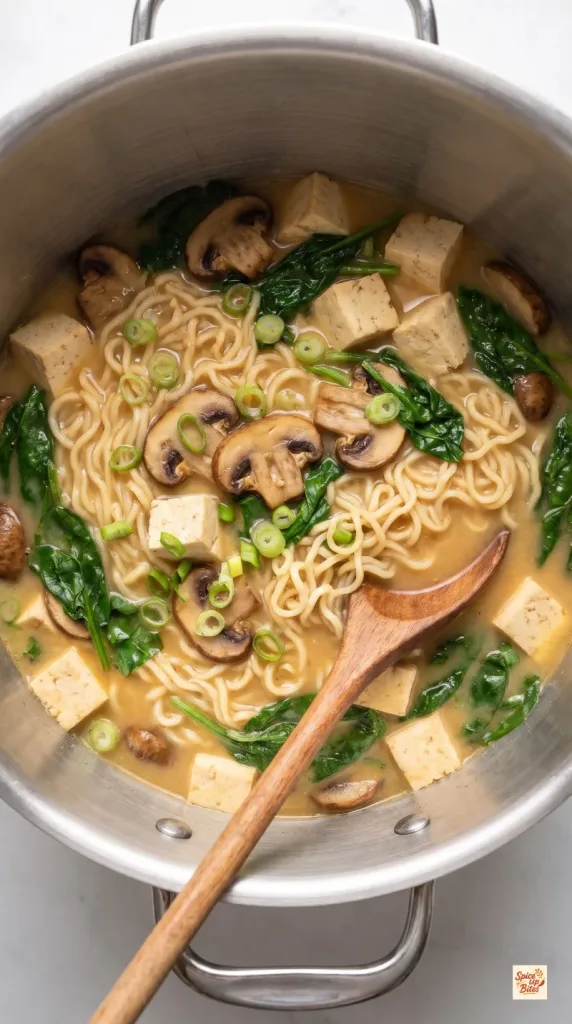
What You’ll Need
- Servings: 2 generous dinner bowls
- Prep Time: 10 minutes
- Cook Time: 20 minutes
- Total Time: 30 minutes
- Cooking Vessel: 4-quart stainless-steel pot
Ingredients
- 6 ounces dried ramen noodles, seasoning packets discarded
- 14 ounces firm tofu, drained, patted dry and cut into 3/4-inch cubes
- 8 ounces cremini mushrooms, trimmed and sliced
- 3 ounces baby spinach
- 1 tablespoon neutral oil
- 3 garlic cloves, minced
- 2 teaspoons finely grated fresh ginger
- 3 cups low-sodium vegetable broth, divided
- 3 tablespoons smooth unsweetened peanut butter, stirred well
- 2 tablespoons white miso paste
- 1 teaspoon reduced-sodium soy sauce
- 2 teaspoons unseasoned rice vinegar
- 1 teaspoon toasted sesame oil
- 2 scallions, thinly sliced
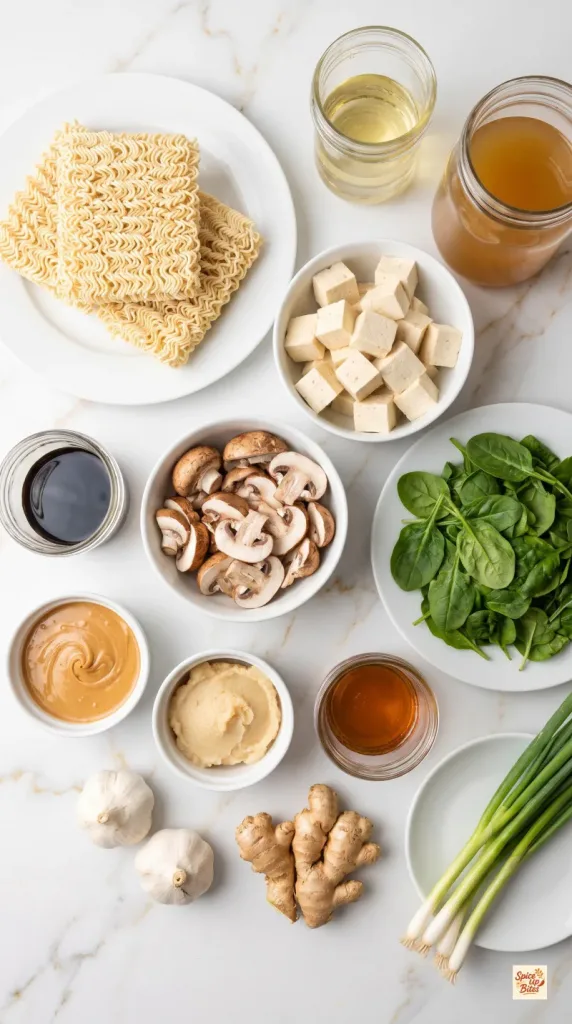
Tools You Need
- 4-quart stainless-steel pot with two loop handles
- Small heatproof glass bowl
- Whisk and wooden spoon
- Measuring cups and spoons
- Knife and cutting board
- Ladle and deep soup bowls
How to Make Miso Peanut Ramen Bowls
Have the ingredients ready before you turn on the stove; the noodles cook quickly at the end.
Step 1: Make the Peanut Miso Base
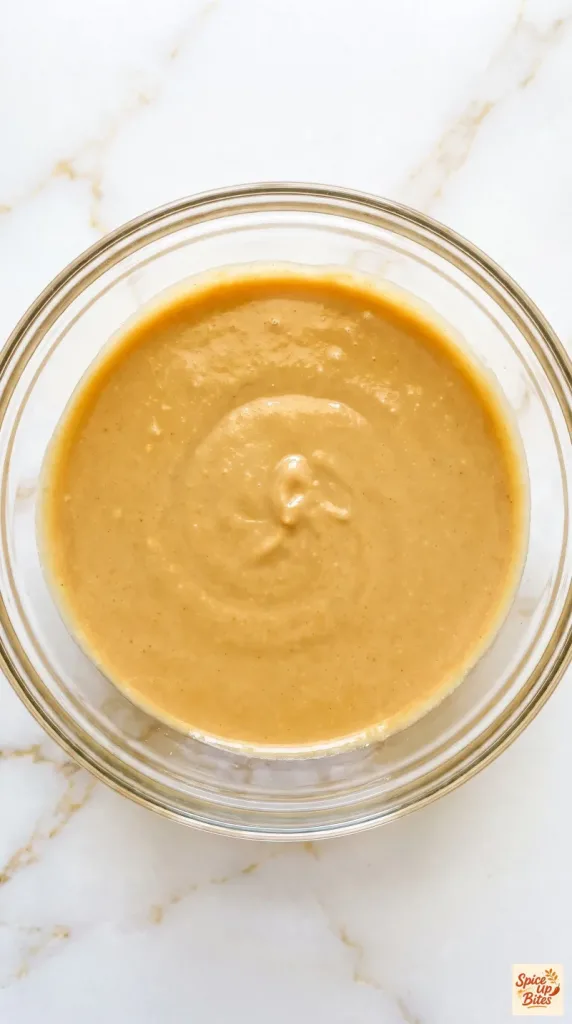
Whisk 3 tablespoons smooth unsweetened peanut butter, 2 tablespoons white miso paste and 1/2 cup of the vegetable broth in a small bowl until smooth with no lumps. Reserve the remaining 2 1/2 cups broth for the pot.
Stir in 1 teaspoon reduced-sodium soy sauce, 2 teaspoons rice vinegar and 1 teaspoon toasted sesame oil. Set the mixture aside; it goes into the soup after the noodles cook.
Step 2: Soften the Mushrooms
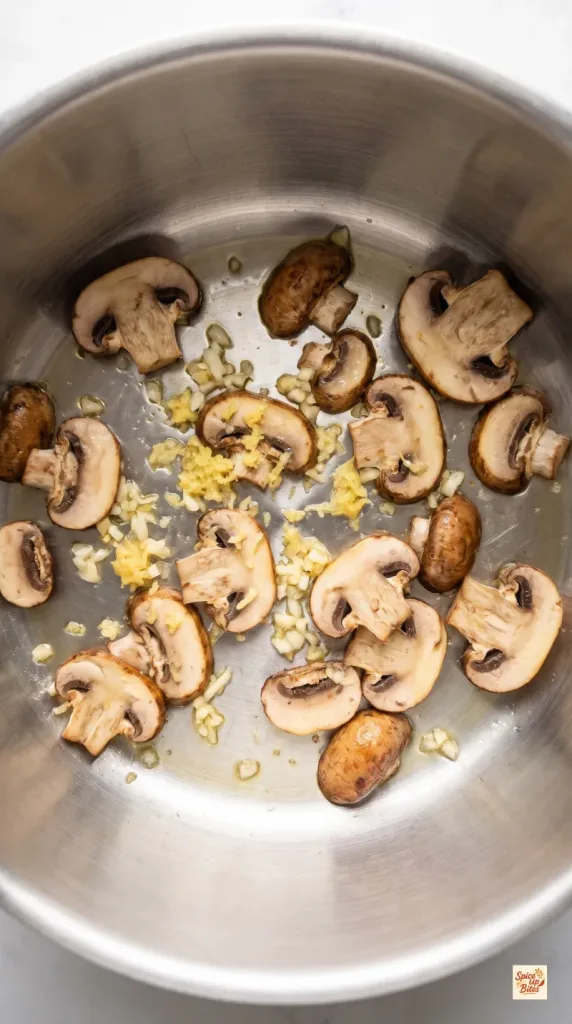
Heat 1 tablespoon neutral oil in the 4-quart pot over medium-high heat.
Add 8 ounces sliced cremini mushrooms and cook for 6–8 minutes, stirring now and then, until soft with lightly browned edges.
Reduce the heat to medium. Add 3 minced garlic cloves and 2 teaspoons grated ginger and stir for 30 seconds, just until fragrant.
Step 3: Warm the Broth and Tofu
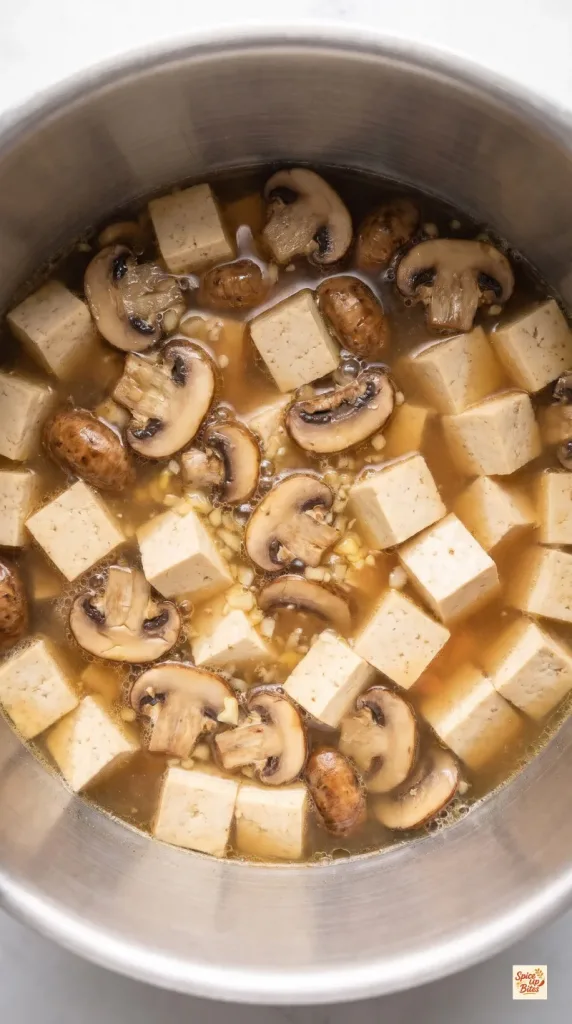
Pour the remaining 2 1/2 cups vegetable broth into the mushrooms and scrape up any browned bits.
Add 14 ounces cubed firm tofu. Bring to a gentle simmer over medium-high heat, then reduce the heat and simmer for 4–5 minutes, until the tofu is hot throughout. Avoid a hard boil that can break the cubes.
Step 4: Cook the Noodles and Greens
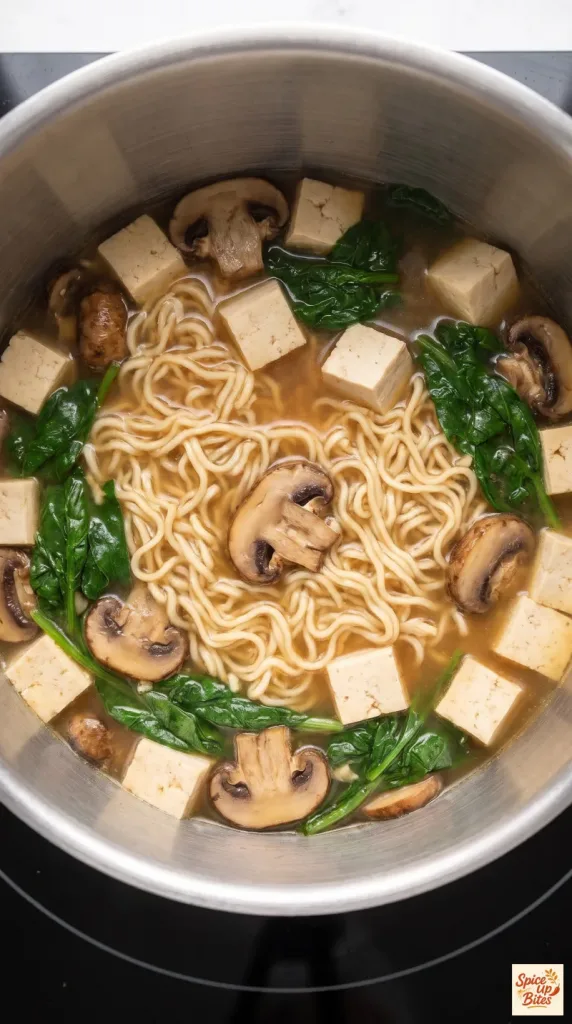
Add 6 ounces dried ramen noodles to the simmering soup. Cook for 3–4 minutes, or follow the package timing, separating the strands gently until just tender and still springy.
Stir in 3 ounces baby spinach during the final 1 minute, until the leaves wilt. Remove the pot from the heat.
Step 5: Finish and Serve
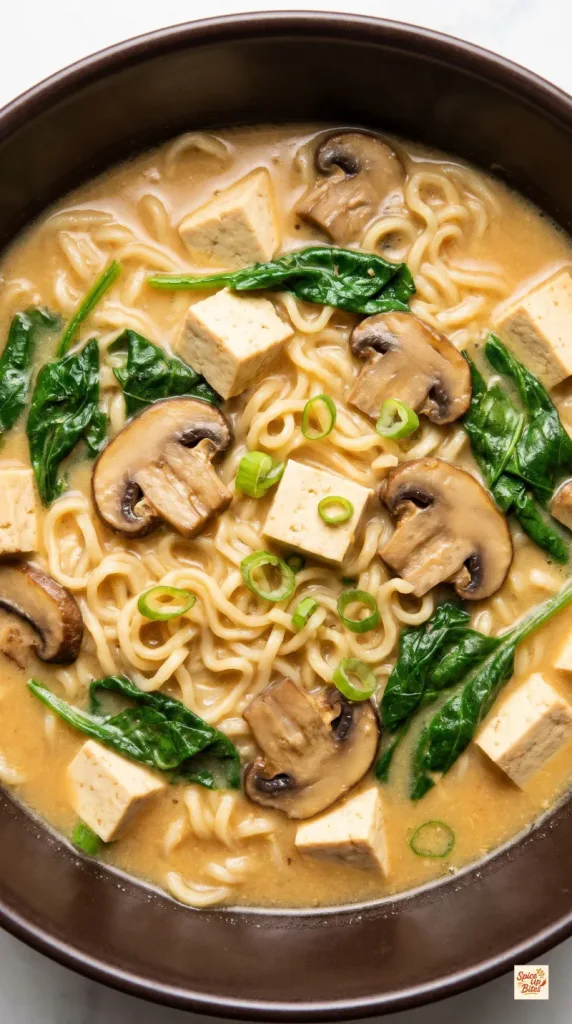
With the pot off the heat, gently stir in all the reserved peanut-miso mixture from Step 1 until the broth is smooth and evenly creamy. Do not bring it back to a rolling boil.
Divide the soup evenly between 2 deep bowls, including the noodles, tofu, vegetables and broth. Scatter 2 thinly sliced scallions evenly over the bowls and serve right away.
The bowls are a meal on their own. A small cucumber salad is an optional crisp side if you want one.
Why This Recipe Works (Quick Science)
Peanut butter contains finely ground peanut solids and fat. Whisking it with broth first helps those solids spread evenly through the soup instead of forming clumps. The result is a lightly creamy broth that still flows around the noodles.
Miso brings salt and savory fermented flavor. Stirring it in off the heat keeps its aroma bright. Mushrooms add more savory depth, while rice vinegar gives a gentle lift to the rich peanut base. The noodles release a little starch as they cook, which also gives the broth body.
Common Mistakes to Avoid
- Using sweet peanut butter: Added sugar can make the broth taste sweeter than intended. Choose smooth unsweetened peanut butter.
- Adding noodle seasoning packets: Miso and soy sauce already season the soup. The packets can make it too salty.
- Dropping miso straight into the pot: Whisking the base first prevents stubborn lumps.
- Overcooking the noodles: Stop while they still have some spring; they soften further in the hot broth.
- Boiling the finished soup hard: Gentle heat keeps the tofu intact and the broth smooth.
What to Serve With Miso Peanut Ramen Bowls
These bowls already include noodles, tofu and vegetables, so they work well without a side. For something fresh, serve a small cucumber salad dressed with rice vinegar. Keep any extra salty condiments on the side so each person can season their own bowl.
Substitutions and Variations
- Different greens: Use baby bok choy instead of spinach, adding sliced stems before the leaves so both become tender.
- A little heat: Stir chili flakes into your own bowl or add a small amount of chili oil at the table.
- Different miso: A stronger red miso will change the flavor and color. Start with less and taste before adding more.
- Other noodles: Use the package timing for fresh ramen. Rice noodles need a different method, so cook them separately before adding them to the finished broth.
Leftovers and Storage
Ramen is best served as soon as it is ready. For planned leftovers, cook the noodles separately and store them apart from the soup so they do not soak up the broth.
Refrigerate leftovers in covered containers within 2 hours and use within 3 days. Reheat gently, adding a little water if the broth has thickened. Noodles stored in the soup will be softer the next day.
Macros Information
Estimated per serving, based on 2 servings. Values vary with the tofu, noodle, miso and broth brands.
- Calories: 750
- Protein: 37 g
- Carbohydrates: 85 g
- Fat: 31 g
- Saturated Fat: 5 g
- Fiber: 9 g
- Sugar: 8 g
- Sodium: 1,650 mg
Frequently Asked Questions (FAQ)
Q: Is this a soup or a dry noodle bowl?
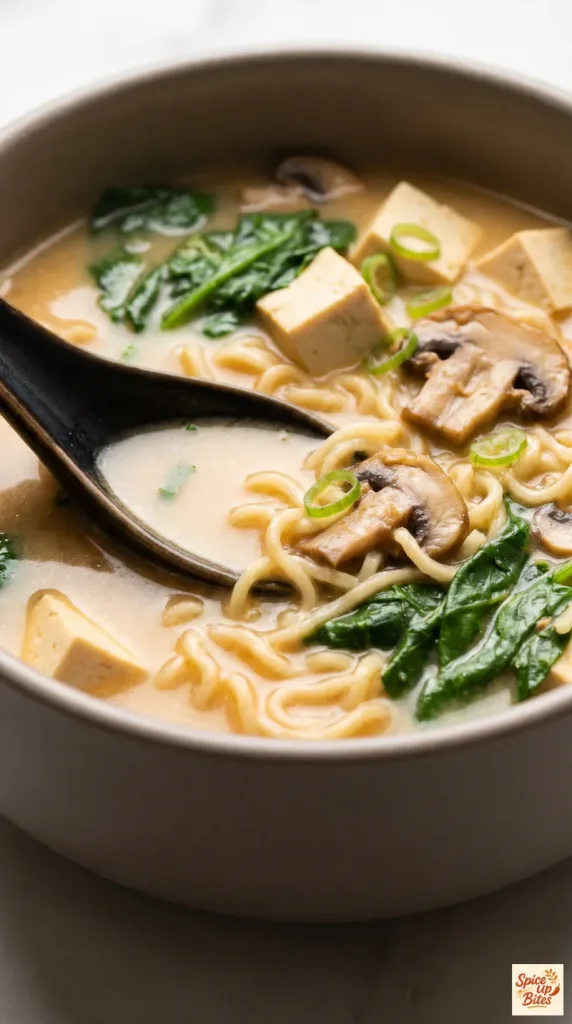
A: It is a noodle soup. The broth should be creamy but pourable, with visible liquid between the noodles and vegetables.
Q: Which miso should I buy?
A: White miso has a mild flavor that works well with peanut butter. Check the label if you need a vegan or gluten-free product.
Q: Do I need to press the tofu?
A: No. Drain it and pat it dry. Since the tofu warms in broth rather than browning in a pan, a long pressing step is not needed.
Q: Can I use instant ramen?
A: Yes. Weigh out the noodles and discard the seasoning packets. Follow the packet cooking time and check early for doneness.
Q: Why is my broth too thick?
A: Noodles keep absorbing liquid as they sit. Stir in a little hot water until the broth flows easily again.
Q: Can I make the base ahead?
A: Yes. Whisk the peanut-miso mixture and refrigerate it in a covered container for up to 2 days. Stir it well before using.
Q: Is this recipe vegan?
A: It is vegan when made with egg-free ramen, vegetable broth and miso without fish-based additions. Check each product label.
Q: Can I use crunchy peanut butter?
A: You can, but the broth will have small peanut pieces. Smooth peanut butter gives the most even texture.
Q: Can I freeze it?
A: Freeze the broth and tofu without noodles for up to 2 months. Thaw in the refrigerator, reheat gently and add freshly cooked noodles. The tofu may become firmer after freezing.
Final Thoughts
Miso Peanut Ramen Bowls turn pantry staples into a warm, filling dinner with very little fuss. Keep the noodles springy, whisk the base smooth and serve as soon as the bowls are ready. Leave a comment with your favorite way to add a little heat. Happy cooking!