
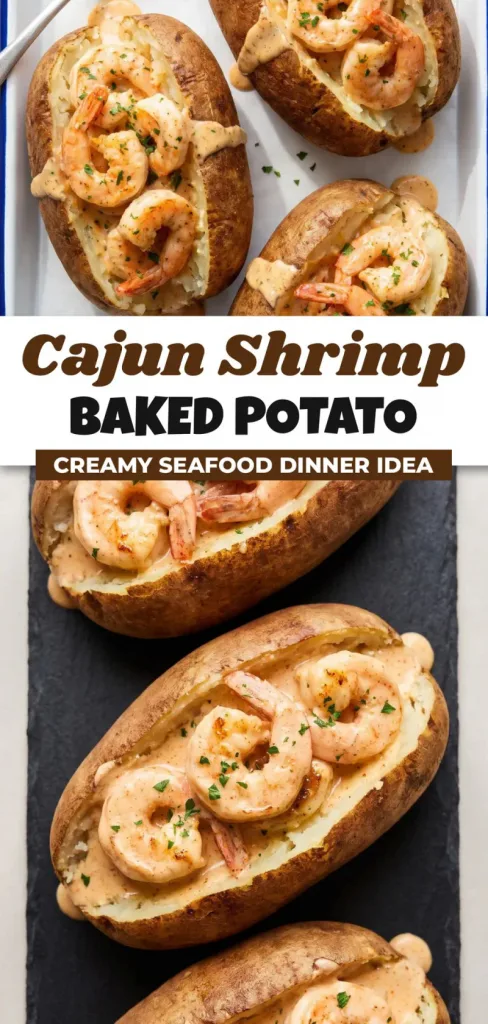
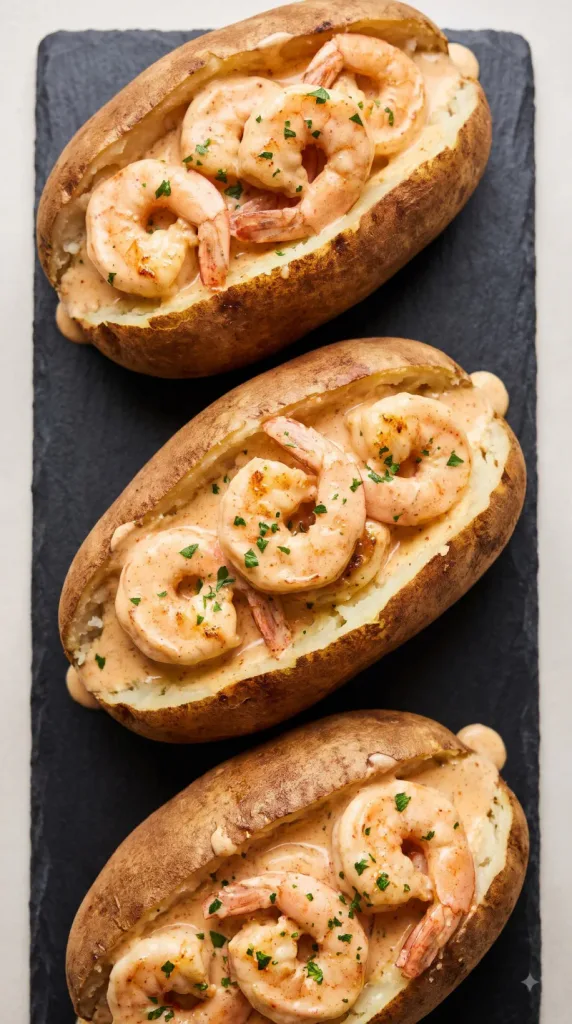
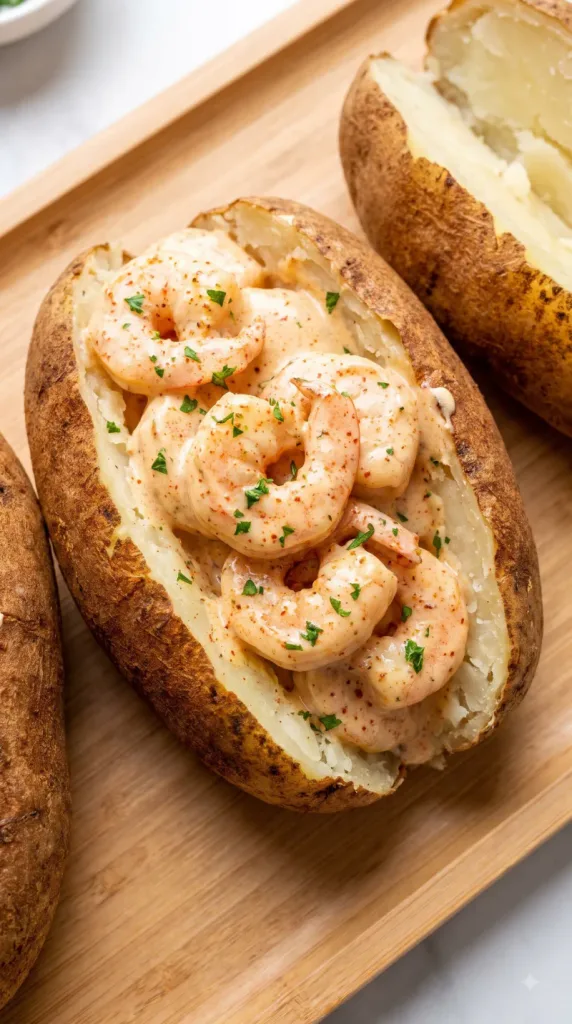
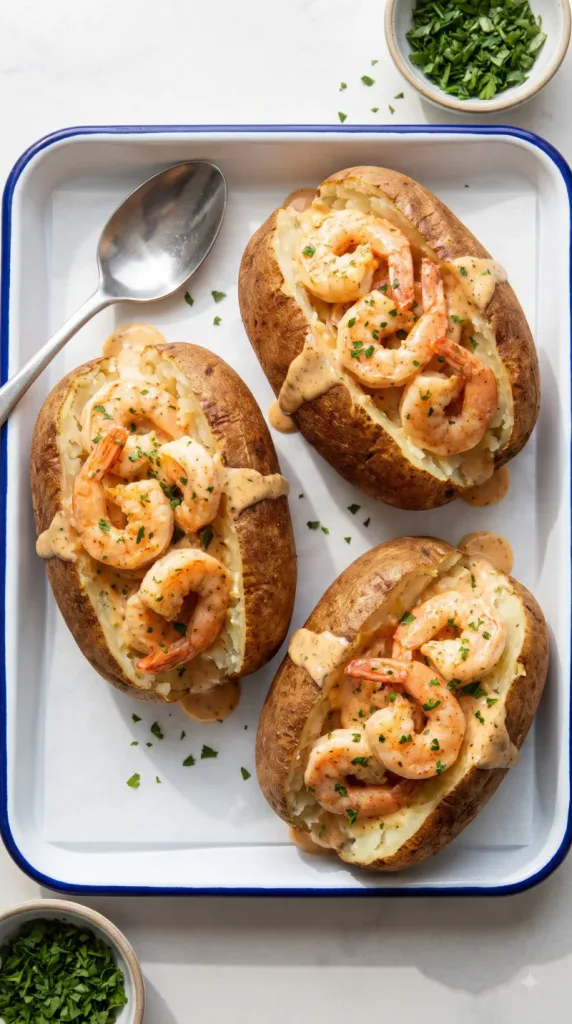
Cajun Shrimp Baked Potato pairs a crisp-skinned russet with tender shrimp and a creamy garlic sauce. The potato stays fluffy inside, ready to catch every spoonful. Cajun spices bring gentle heat, while Parmesan adds a savory finish. Most of the cooking time is hands-off in the oven.
Why I Love This Recipe
A loaded potato makes a cozy dinner feel a little special. This version keeps the shrimp tender by cooking it briefly, then adding it back after the sauce is ready.
- Plenty of texture: Crisp skin, fluffy potato and juicy shrimp make every bite different.
- Easy timing: Make the topping during the last stretch of baking.
- Adjustable heat: Salt-free Cajun seasoning lets you control both spice and salt.
- Simple finish: A little lemon and parsley brighten the rich sauce.
What You’ll Need
- Servings: 4, one loaded potato per serving
- Prep Time: 15 minutes
- Cook Time: 60–75 minutes, with the topping cooked during the final 15 minutes
- Total Time: 75–90 minutes
- Oven Temperature: 425°F (220°C)
- Baking Sheet: Bare, rimmed metal half-sheet pan
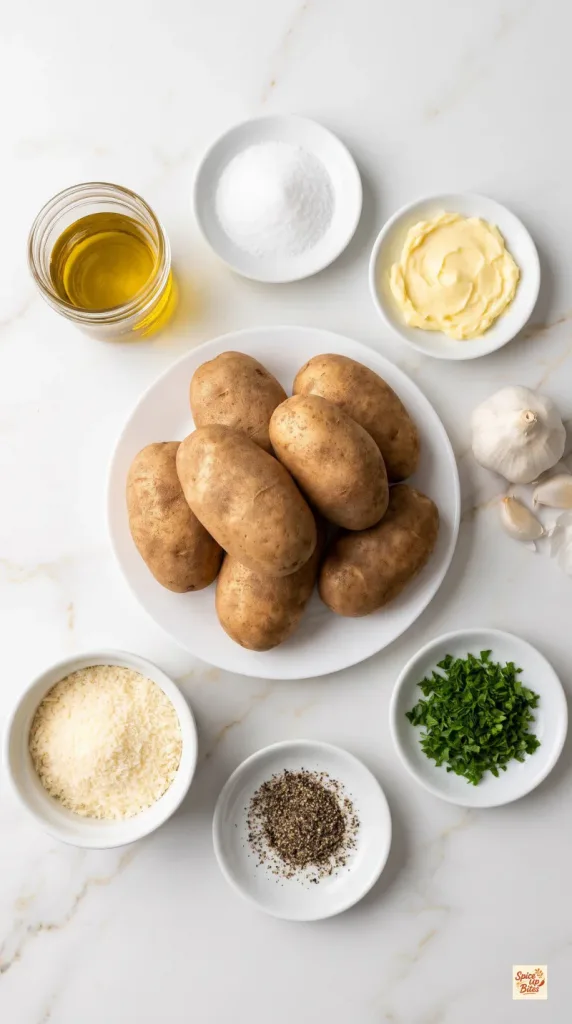
- 4 russet potatoes, about 10 ounces each, scrubbed and dried
- 1 tablespoon olive oil
- 3/4 teaspoon fine salt, divided
- 1 pound large raw shrimp, peeled, deveined and tails removed, thawed if frozen
- 2 teaspoons salt-free Cajun seasoning, divided
- 2 tablespoons unsalted butter, divided
- 3 garlic cloves, finely minced
- 1 cup heavy cream
- 1/2 cup finely grated Parmesan cheese, about 1 1/2 ounces
- 2 teaspoons fresh lemon juice
- 2 tablespoons finely chopped fresh parsley
Use a salt-free Cajun blend containing paprika, garlic, onion, herbs and cayenne. If your blend contains salt, reduce the added salt for the shrimp and taste the sauce before adding any more.
Tools You Need
- Rimmed metal baking sheet
- Large skillet
- Small bowl
- Tongs and a wooden spoon
- Fork and a sharp knife for opening the potatoes
- Fine grater
- Instant-read thermometer
How to Make Cajun Shrimp Baked Potato
Bake the potatoes first, then prepare the shrimp topping close to serving time.
Step 1: Prepare the Potatoes
Heat the oven to 425°F (220°C).
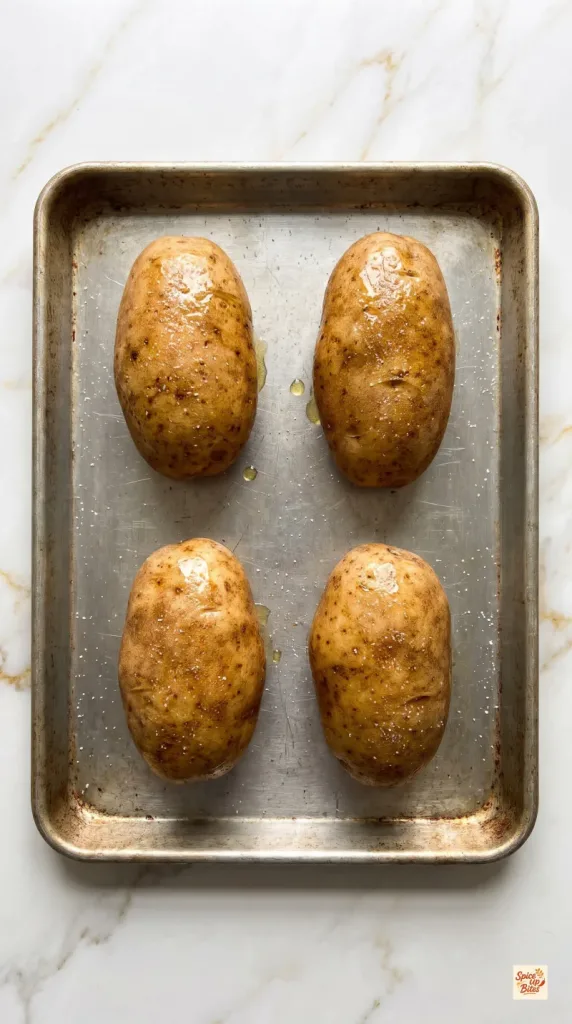
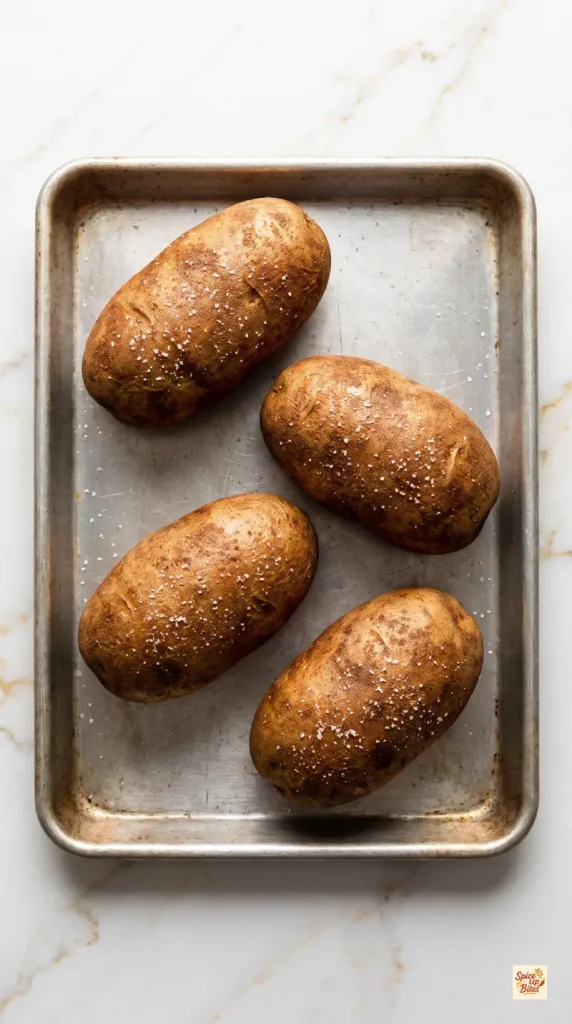
Pat 4 scrubbed russet potatoes, about 10 ounces each, completely dry and prick each several times with a fork.
Rub them with 1 tablespoon olive oil and 1/2 teaspoon fine salt.
Space them apart on a bare rimmed metal baking sheet. Leave them unwrapped so the skins can crisp.
Step 2: Bake Until Tender
Bake the potatoes for 60–75 minutes, until the skins feel crisp and a fork slides easily into the centers. Start checking at 60 minutes; size and oven differences can change the timing.
Begin the topping when the potatoes are nearly tender. Keep the potatoes on their baking sheet while you finish the sauce.
Step 3: Sear the Shrimp
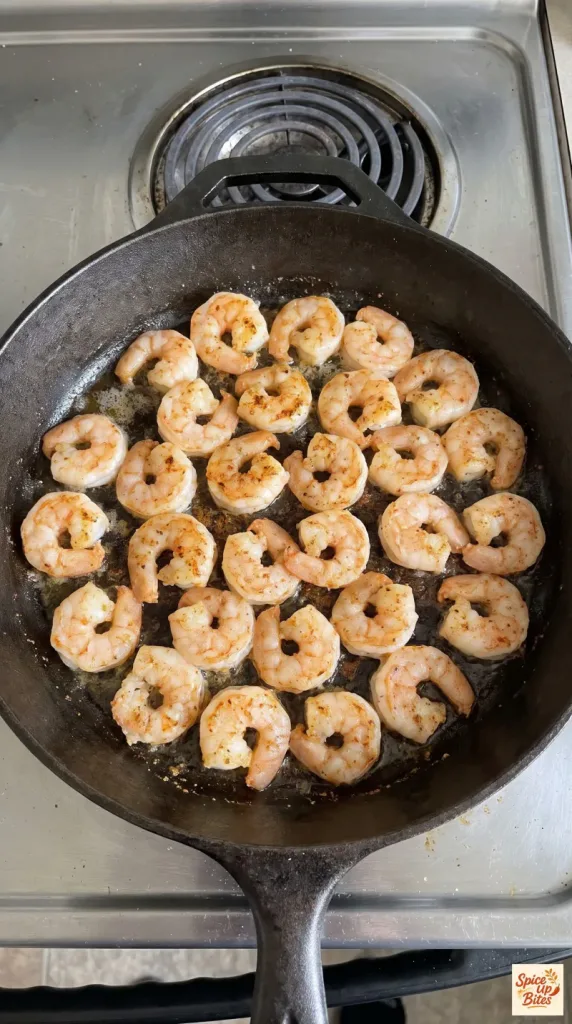
Pat 1 pound peeled, deveined, tail-off large raw shrimp dry.
Toss the shrimp in a small bowl with 1 1/2 teaspoons salt-free Cajun seasoning and the remaining 1/4 teaspoon fine salt. There is no flour, batter or breadcrumb coating.
Melt 1 tablespoon unsalted butter in a large skillet over medium-high heat.
Add the shrimp in a single layer and cook for about 2 minutes per side, just until opaque throughout and 145°F (63°C) in the thickest part. Transfer them to a clean plate promptly.
Step 4: Make the Cream Sauce
Reduce the heat to medium-low and melt the remaining 1 tablespoon unsalted butter in the same skillet.
Add 3 finely minced garlic cloves and stir for 30 seconds, just until fragrant.
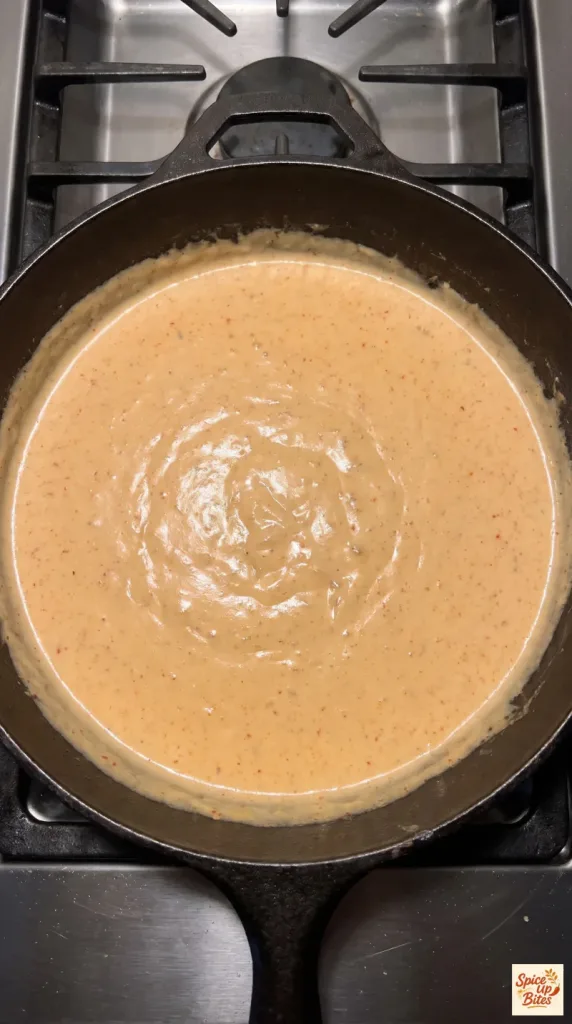
Stir in 1 cup heavy cream and the remaining 1/2 teaspoon salt-free Cajun seasoning, scraping up the browned bits.
Simmer gently for 3–5 minutes, stirring often, until slightly thickened. Do not boil hard.
Remove the skillet from the heat and stir in 1/2 cup finely grated Parmesan cheese until smooth.
Stir in 2 teaspoons fresh lemon juice. The sauce should coat a spoon but still flow easily.
Step 5: Combine the Topping
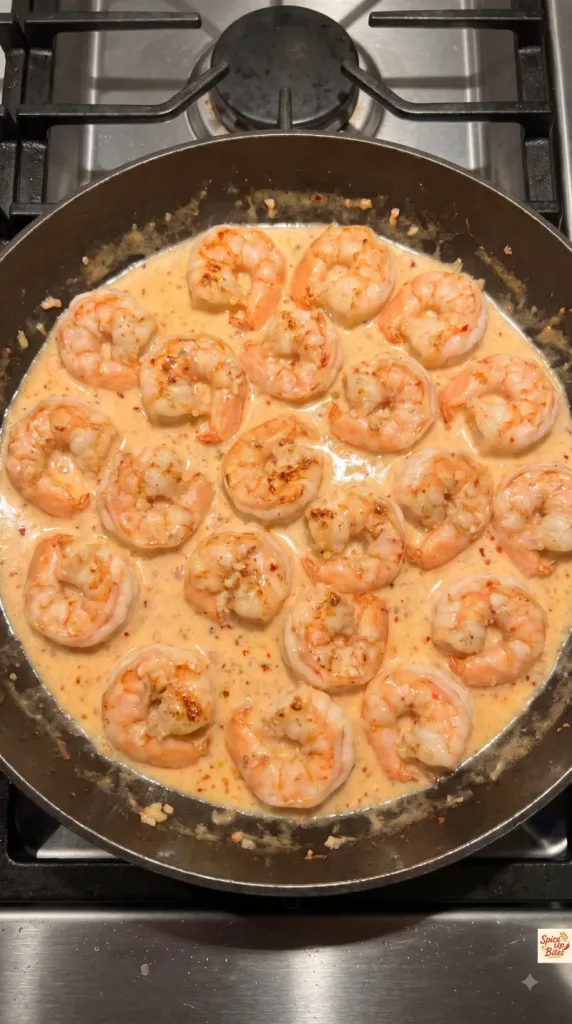
Return all the cooked shrimp and their collected juices to the sauce.
Fold gently until coated. If needed, set over low heat for 30–60 seconds, only until warmed through. Avoid simmering the shrimp again.
Step 6: Fill and Serve
Split each baked potato lengthwise without cutting through the bottom. Gently press the ends inward and fluff the flesh with a fork, keeping the skin connected underneath.
Divide the shrimp and all the cream sauce evenly among the 4 potatoes, spooning the topping into each opening.
Scatter 2 tablespoons finely chopped parsley over the potatoes, about 1 1/2 teaspoons per serving. If serving several potatoes together, you can reserve a little of that measured parsley in a small bowl for the table.
Serve right away. A simple green salad or steamed green beans make an optional fresh side.
Why This Recipe Works (Quick Science)
Russets contain plenty of starch. As they bake, their interiors soften into a fluffy texture. Leaving off foil allows moisture to escape from the skin, which helps it become crisp.
A quick sear cooks the shrimp without long exposure to heat. Taking them out while the sauce thickens keeps them tender. Gentle heat also helps the Parmesan melt smoothly into the cream instead of turning grainy. Lemon adds a little acidity to balance the butter and cream.
Common Mistakes to Avoid
- Using damp potatoes: Dry skins crisp better in the oven.
- Starting the shrimp too early: Wait until the potatoes are nearly ready.
- Crowding the skillet: Cook the shrimp in batches if they cannot fit in a single layer.
- Boiling the cheese sauce: Add Parmesan off the heat and stir gently.
- Cutting the potato into halves: Keep the underside attached to hold the filling.
- Adding too much salt: Parmesan and some Cajun blends already contain plenty.
What to Serve With Cajun Shrimp Baked Potato
A green salad with a light vinaigrette balances the creamy topping. Steamed green beans are another easy choice. Both are optional; the loaded potato is already a hearty main course.
Substitutions and Variations
- Milder topping: Choose a mild salt-free Cajun blend and leave out any extra cayenne.
- Different cheese: Use finely grated Asiago in place of Parmesan, keeping the amount the same.
- Frozen shrimp: Thaw overnight in the refrigerator, drain and pat dry before seasoning.
Heavy cream gives the most reliable texture here. Milk makes a much thinner sauce, so it is not a direct swap.
Leftovers and Storage
Refrigerate potatoes and shrimp sauce in separate shallow covered containers within 2 hours. Use within 3 days.
Reheat potatoes in a 350°F (175°C) oven until heated through. Warm the shrimp sauce gently in a small skillet, adding a splash of water if needed. Reheat leftovers to 165°F (74°C), then spoon the topping over the potatoes. Avoid repeated reheating, which toughens shrimp.
For advance prep, bake the potatoes ahead and refrigerate promptly. Make the shrimp sauce fresh while the potatoes reheat. Freezing the cream sauce is not ideal because it may separate.
Macros Information
Estimated per serving, including one potato and one-quarter of the topping; optional sides are excluded. Values vary with potato size and seasoning brand.
- Calories: 690
- Protein: 35 g
- Carbohydrates: 65 g
- Fat: 33 g
- Saturated Fat: 19 g
- Fiber: 4 g
- Sugar: 4 g
- Sodium: 850 mg
Frequently Asked Questions (FAQ)
Q: Which potato works best?
A: Russets have sturdy skins and a fluffy interior that holds the shrimp topping well.
Q: Do I need to wrap the potatoes in foil?
A: No. Bake them uncovered for a crisp skin. Foil traps moisture and softens the outside.
Q: Can I use cooked shrimp?
A: Yes, but skip the searing step. Make the sauce, then add thawed cooked shrimp only long enough to heat through. Raw shrimp give you better control over texture.
Q: How spicy is this dish?
A: That depends on the Cajun blend. Start with a mild salt-free blend if you prefer gentle heat.
Q: Why is my sauce grainy?
A: High heat or pre-shredded cheese can cause trouble. Use freshly grated Parmesan and stir it in after removing the skillet from the heat.
Q: What if the sauce gets too thick?
A: Stir in warm water a teaspoon at a time until it flows from the spoon. Add only what is needed.
Q: Can I microwave the potatoes?
A: Yes. Prick them first, microwave until tender and turn them partway through. The skins will be softer than oven-baked skins, and timing depends on your microwave and potato size.
Q: Is this a twice-baked potato?
A: No. The flesh stays in the connected whole potato. Fluff it in place, then add the freshly cooked shrimp topping without baking it again.
Final Thoughts
Cajun Shrimp Baked Potato turns a simple russet into a filling dinner with tender seafood and a creamy, savory topping. Keep an eye on the shrimp, fluff the potato well and add the sauce just before serving. Leave a comment with your favorite way to adjust the spice. Happy cooking!