
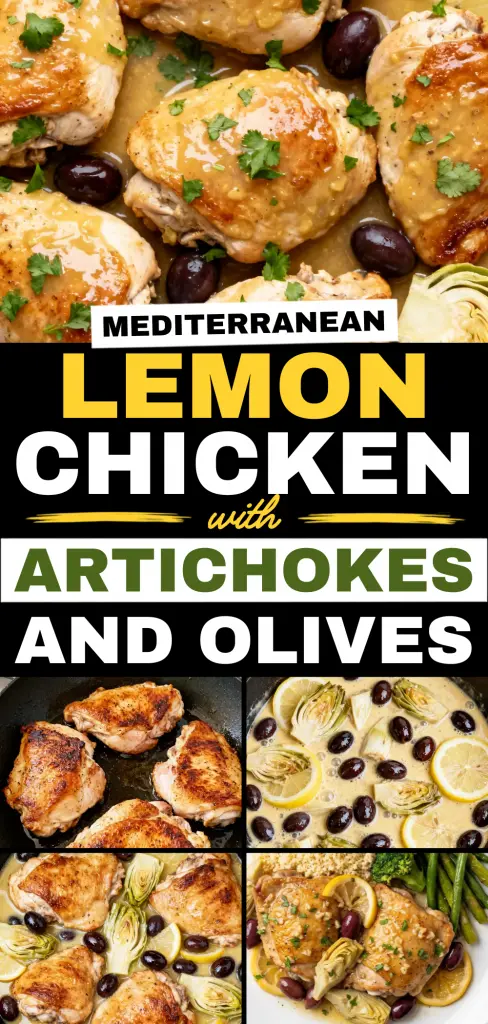
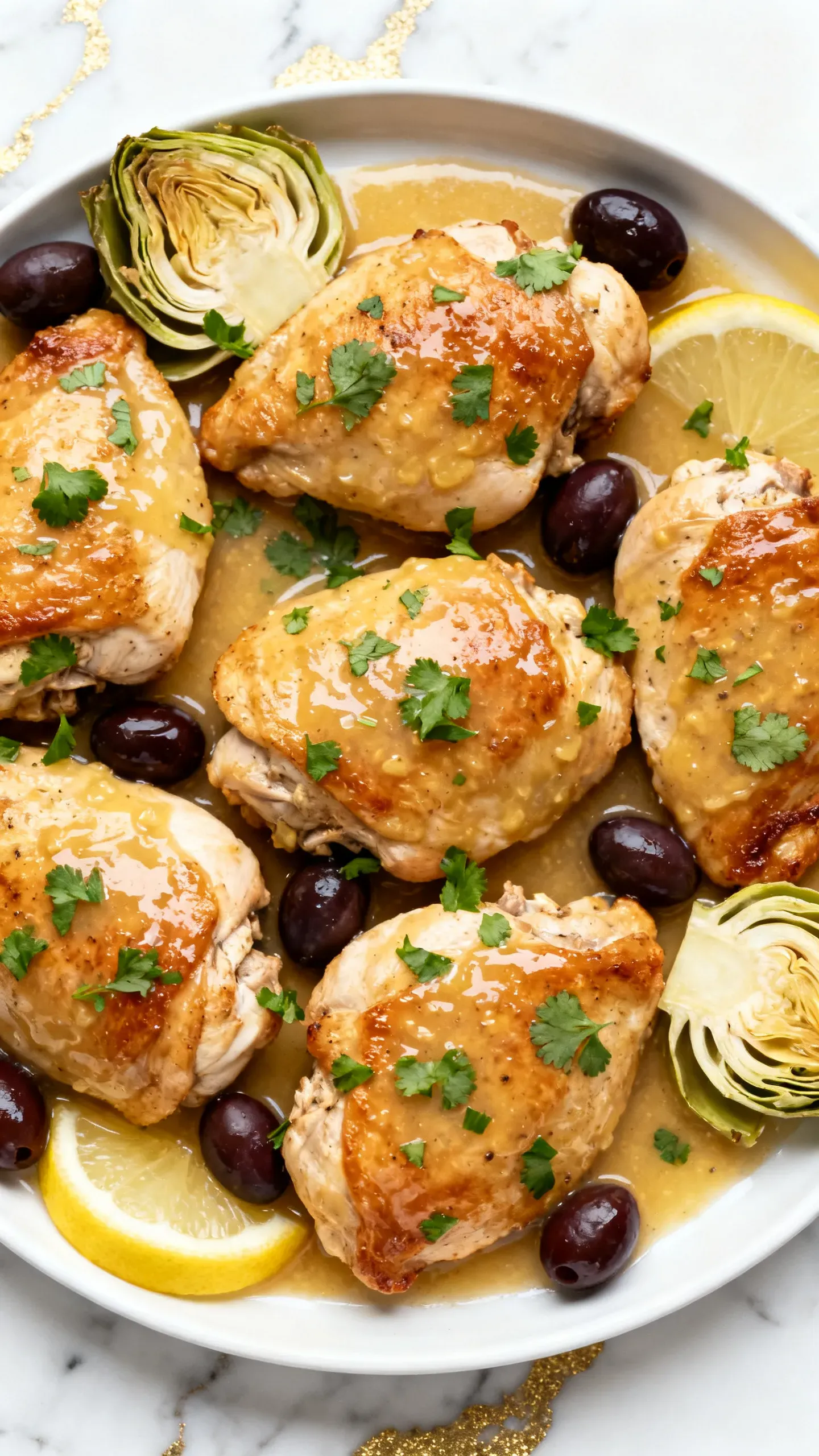
This Mediterranean Lemon Chicken is bright, savory, and full of flavor without being hard to make. Juicy chicken cooks in a simple lemon-garlic sauce with artichokes and olives. Everything comes together in one skillet, so dinner feels special without leaving you with a sink full of dishes.
Why I Love This Recipe
This is the kind of dinner I like when I want something that tastes fresh but still feels cozy. The first thing you notice is the lemon. Then you get the salty olives, tender artichokes, garlic, and juicy chicken.
I also love what happens in the skillet. After the chicken browns, all those little golden bits stay behind. The broth and lemon loosen them and turn them into a simple sauce. Nothing fancy is needed.
- It uses one skillet, which means less cleanup.
- It takes only about 35 minutes.
- The chicken stays juicy because it finishes gently in the sauce.
- Lemon keeps the rich chicken from feeling heavy.
- Artichokes and olives add lots of flavor with very little work.
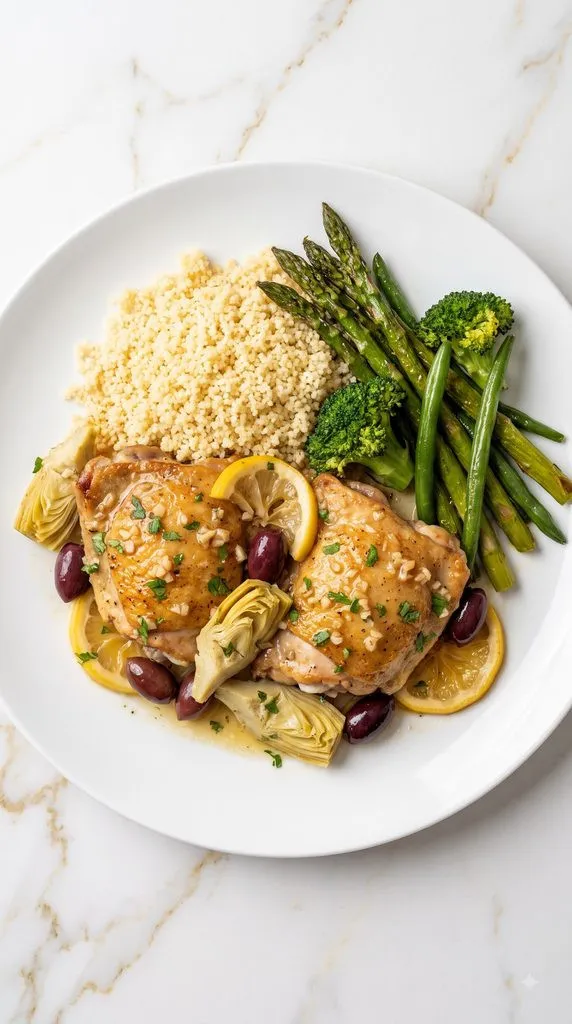
- The sauce is great over rice, couscous, pasta, or potatoes.
Recipe at a Glance
- Servings: 4
- Prep time: 10 minutes
- Cook time: 25 minutes
- Total time: About 35 minutes
- Cooking method: One skillet
- Difficulty: Easy
What You’ll Need
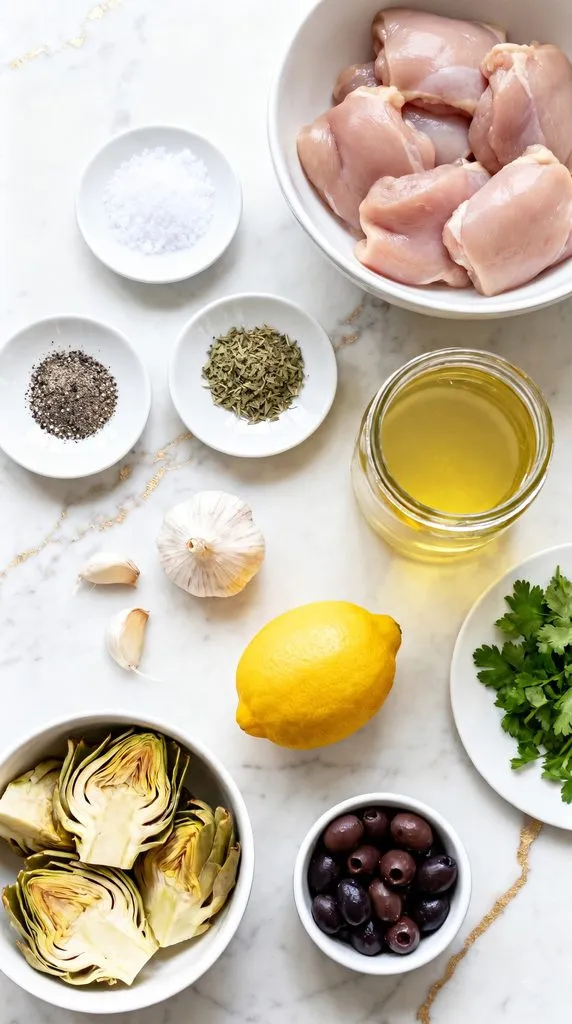
- 1 1/2 pounds boneless, skinless chicken thighs, about 6 thighs
- 1 teaspoon kosher salt
- 1/2 teaspoon black pepper
- 1 teaspoon dried oregano
- 2 tablespoons olive oil, divided
- 4 garlic cloves, minced
- 1 cup low-sodium chicken broth
- 1 large lemon
- 2 tablespoons fresh lemon juice
- remaining lemon thinly sliced
- 1 can (14 ounces) quartered artichoke hearts, drained well
- 1/2 cup pitted Kalamata olives
- 2 tablespoons finely chopped fresh parsley
How to Make Mediterranean Lemon Chicken
Step 1: Season the Chicken
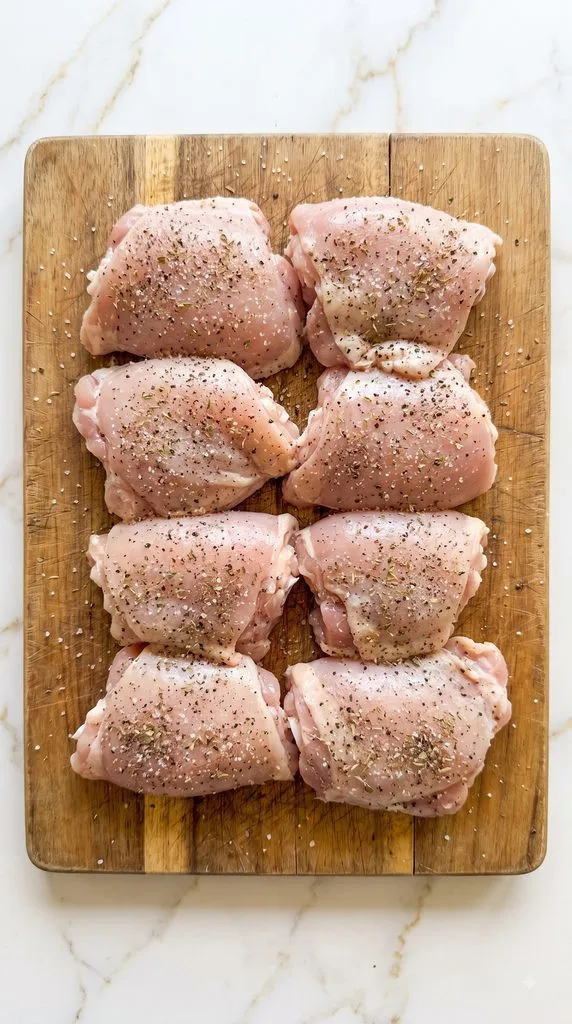
Pat 1 1/2 pounds boneless, skinless chicken thighs dry. Season both sides evenly with 1 teaspoon kosher salt, 1/2 teaspoon black pepper, and 1 teaspoon dried oregano.
Dry chicken is important here. It helps the outside turn golden instead of steaming in the skillet.
Step 2: Sear the Chicken
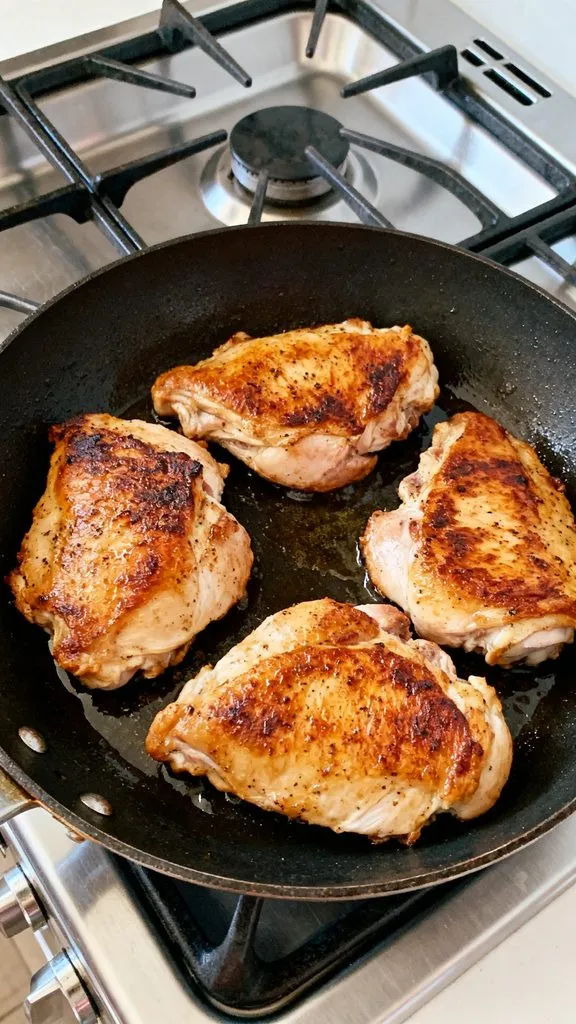
Heat 1 tablespoon of the olive oil in a large skillet over medium-high heat.
Add the seasoned 1 1/2 pounds chicken thighs in a single layer. Cook for about 4 to 5 minutes on the first side. Flip and cook for 3 minutes on the second side.
The chicken does not need to be fully cooked yet. Transfer it to a plate.
Step 3: Build the Lemon-Garlic Sauce
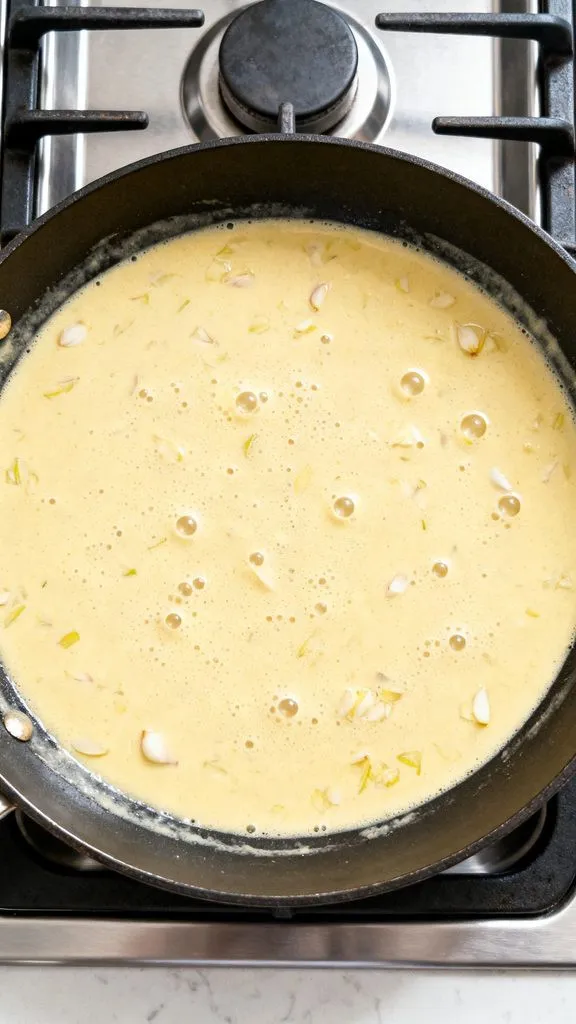
Lower the heat to medium. Add the remaining 1 tablespoon olive oil and 4 minced garlic cloves to the same skillet. Cook for about 30 seconds, stirring so the garlic does not burn.
Pour in 1 cup low-sodium chicken broth and 2 tablespoons fresh lemon juice. Scrape the tasty browned bits from the bottom of the skillet. Let the sauce simmer for 2 minutes.
Step 4: Add the Artichokes, Olives, and Lemon
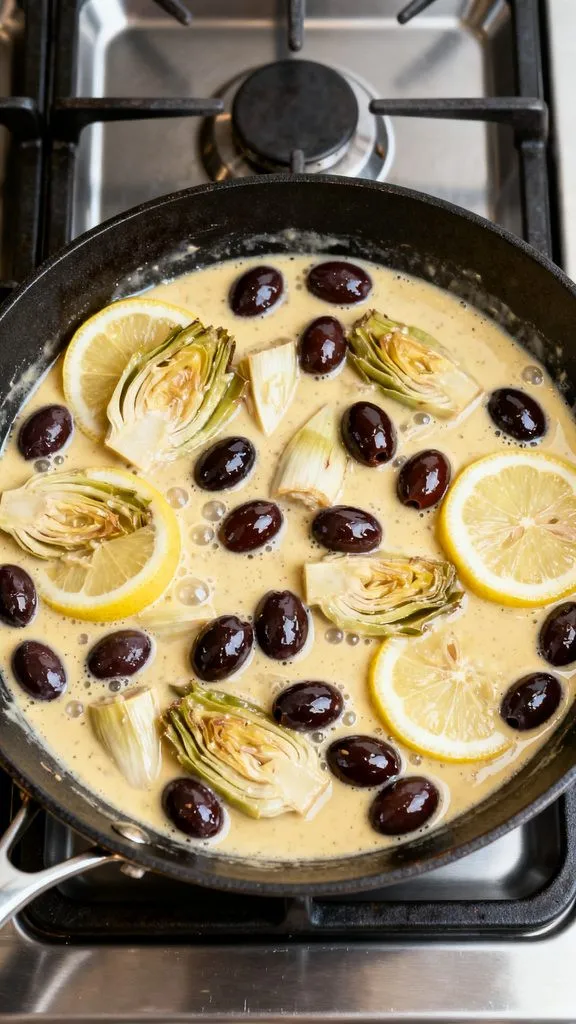
Add one drained 14-ounce can of quartered artichoke hearts, 1/2 cup pitted Kalamata olives, and the thin slices from the remaining lemon to the simmering sauce.
Stir gently and cook for 2 minutes.
Step 5: Finish the Chicken in the Sauce
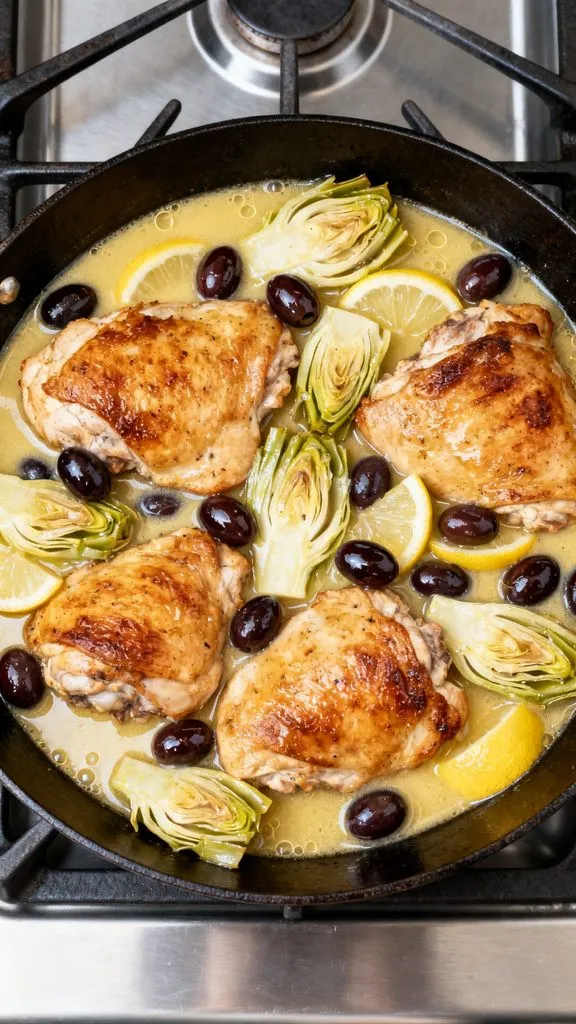
Put all 1 1/2 pounds of seared chicken thighs back into the skillet, along with any juices on the plate.
Nestle the chicken between the artichoke hearts, 1/2 cup Kalamata olives, and lemon slices. Spoon some sauce over the top.
Reduce the heat to medium-low. Simmer for 5 to 7 minutes, or until the thickest part of the chicken reaches 165°F (74°C).
Step 6: Add Parsley and Serve
Turn off the heat. Sprinkle 2 tablespoons finely chopped fresh parsley over the finished chicken.
Taste the sauce before adding any extra salt. The olives and artichokes already bring plenty of salty flavor.
Transfer the chicken, artichokes, olives, lemon slices, and plenty of sauce to a round serving plate. Serve warm.
Pro Tips
- Drain the artichokes well. Extra liquid can water down the sauce.
- Dry the chicken first. Wet chicken has a harder time getting that golden crust.
- Don’t crowd the skillet. If your skillet is small, brown the chicken in two batches.
- Watch the garlic. Thirty seconds is usually enough before adding the broth.
- Check the chicken with a thermometer. Aim for at least 165°F in the thickest part.
Tools You’ll Need
- Large 12-inch skillet
- Tongs
- Wooden spoon
- Chef’s knife
- Cutting board
- Measuring cups
- Measuring spoons
- Citrus juicer
- Strainer
- Instant-read meat thermometer
- Serving spoon
- Round serving plate
Why This Recipe Works (Quick Science)
Browning the chicken creates hundreds of new flavor compounds through something called the Maillard reaction. That is what gives the chicken its deep, savory taste.
Adding broth and lemon juice then loosens those browned bits from the skillet. They become part of the sauce instead of going to waste.
Lemon also brings acid. Acid makes rich foods taste brighter and helps balance the salty olives.
Finally, the chicken finishes at a lower heat in liquid. This gives you more control and helps keep it juicy.
Common Mistakes
- Putting wet chicken in the skillet: Pat it dry first so it can brown.
- Moving the chicken too soon: Give the first side 4 to 5 minutes to develop color.
- Burning the garlic: Lower the heat before adding it.
- Using artichokes without draining them: Too much liquid makes a weak sauce.
- Adding lots of extra salt early: Kalamata olives can be quite salty. Taste the finished sauce first.
- Overcooking the chicken: Check for 165°F rather than guessing.
Substitutions and Variations
- Chicken breasts: Use boneless chicken breasts cut into thinner cutlets. They may cook faster.
- Green olives: Swap them for Kalamata olives for a milder taste.
- Fresh herbs: Try fresh dill or basil instead of parsley.
- More vegetables: Add baby spinach during the final 2 minutes.
- A little heat: Add 1/4 teaspoon crushed red pepper with the garlic.
- Creamier sauce: Stir in 2 tablespoons heavy cream after the chicken is cooked.
What to Serve With
This chicken has plenty of sauce, so something that can soak it up is perfect.
- Couscous
- Steamed rice
- Orzo
- Roasted potatoes
- Mashed potatoes
- Warm pita bread
- Crusty bread
- Simple cucumber and tomato salad
- Roasted green beans
- Steamed broccoli
Make-Ahead Tips
You can season the chicken up to 24 hours ahead and keep it covered in the refrigerator.
The artichokes can be drained, the garlic minced, the parsley chopped, and the lemon juiced a few hours ahead. Store everything separately in the refrigerator.
For the best texture, I would still sear and finish the chicken right before serving.
Macros Information
Approximate nutrition per serving, based on 4 servings:
- Calories: 430
- Protein: 38g
- Carbohydrates: 10g
- Fat: 27g
- Fiber: 4g
- Sugar: 2g
These numbers are estimates. The exact macros will change based on the chicken, artichokes, olives, and broth you use.
Leftovers and Storage
Store cooled leftovers in an airtight container in the refrigerator for up to 3 to 4 days. Keep the sauce with the chicken so the meat stays moist.
Reheat it gently in a covered skillet over medium-low heat. Add a splash of chicken broth if the sauce has become too thick.
You can also microwave individual portions in short bursts until hot.
For freezing, remove the lemon slices first because they can become bitter and mushy. Freeze the chicken and sauce in an airtight container for up to 2 months. Thaw overnight in the refrigerator before reheating.
FAQ
Q: Can I use chicken breasts instead of thighs?
A: Yes. Cut large breasts into thinner cutlets so they cook evenly. Start checking the temperature early because breast meat can dry out faster.
Q: What kind of artichokes should I buy?
A: Canned quartered artichoke hearts packed in water or brine work well. Drain them very well before cooking.
Q: Can I use marinated artichoke hearts?
A: Yes, but they will change the flavor and add more oil. Drain them well, and taste the sauce before adding extra salt.
Q: Are Kalamata olives very strong?
A: They have a bold, salty flavor. For something milder, use pitted green olives.
Q: Why is my chicken not browning?
A: The chicken may be too wet, the skillet may not be hot enough, or the pieces may be too crowded. Pat the chicken dry and leave a little space between each piece.
Q: How do I know when the chicken is done?
A: Check the thickest part with an instant-read thermometer. It should reach at least 165°F (74°C).
Q: Can I make this without olives?
A: Yes. Leave them out. You may want to add a small extra pinch of salt after tasting the finished sauce.
Final Thoughts
Mediterranean Lemon Chicken with Artichokes and Olives is a great example of how a few bold ingredients can turn simple chicken into a flavorful dinner. You get golden chicken, bright lemon, garlic, tender artichokes, briny olives, and a sauce you’ll want to spoon over everything.
Make it for an easy weeknight meal or put it on the table when you want dinner to feel a little more special. If you make it, leave a comment and share how it turned out, what you served with it, or any questions you had along the way.
1 thought on “Mediterranean Lemon Chicken with Artichokes and Olives”