
This Japanese-style pumpkin miso soup is warm, creamy, savory, and just a little sweet. Pumpkin gives it a rich golden color, while miso, soy sauce, ginger, and sesame oil give it plenty of flavor.
It is also quick because we are starting with pumpkin puree. You still get a homemade soup with a thick, cozy texture without having to cook chunks of pumpkin first.

Why I Love This Recipe
This pumpkin miso soup is creamy, cozy, and packed with savory flavor. The pumpkin gives it a naturally smooth texture, while white miso and soy sauce balance the sweetness with a rich umami taste.
Fresh ginger adds a little warmth, and toasted sesame oil gives the soup a light nutty aroma. I also love using pumpkin puree because it saves time while still giving the soup a homemade feel.
- Naturally thick and creamy
- Rich savory miso flavor
- Warm ginger and sesame notes
- Quick and easy with pumpkin puree

What You’ll Need
Makes: 4 servings
Prep time: 10 minutes
Cook time: 20 minutes
Total time: 30 minutes
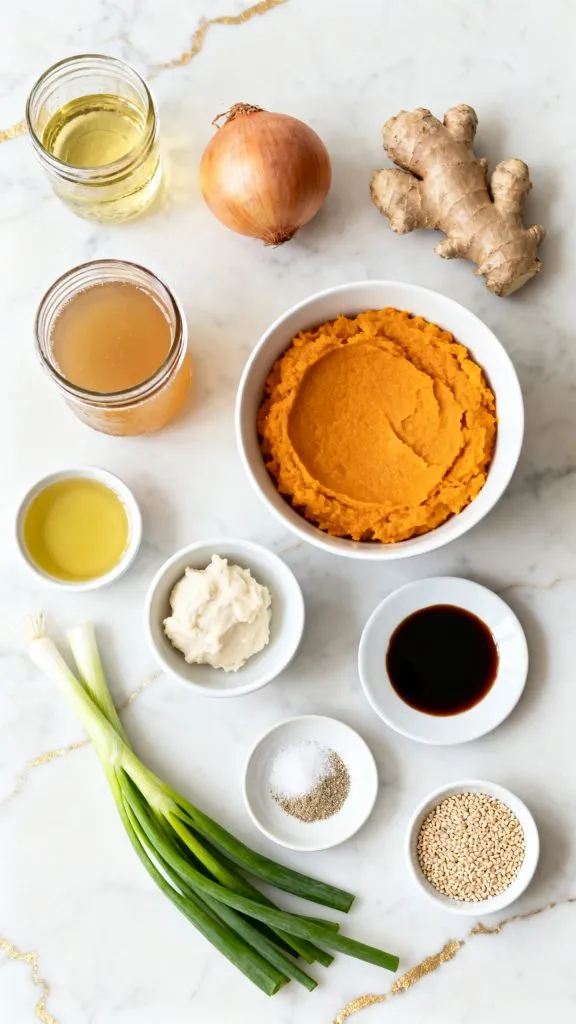
- 1 tablespoon neutral oil
- 1 small onion, finely diced, about 1 cup
- 2 teaspoons fresh ginger, finely grated
- 3 cups plain pumpkin puree
- 3 cups low-sodium vegetable broth
- 4 tablespoons white miso paste
- 2 teaspoons soy sauce
- 1 teaspoon toasted sesame oil
- ¼ teaspoon ground white pepper, optional
- 1 green onion, thinly sliced
- 1 teaspoon toasted sesame seeds
Recipe and Instructions
Step 1: Cook the Onion
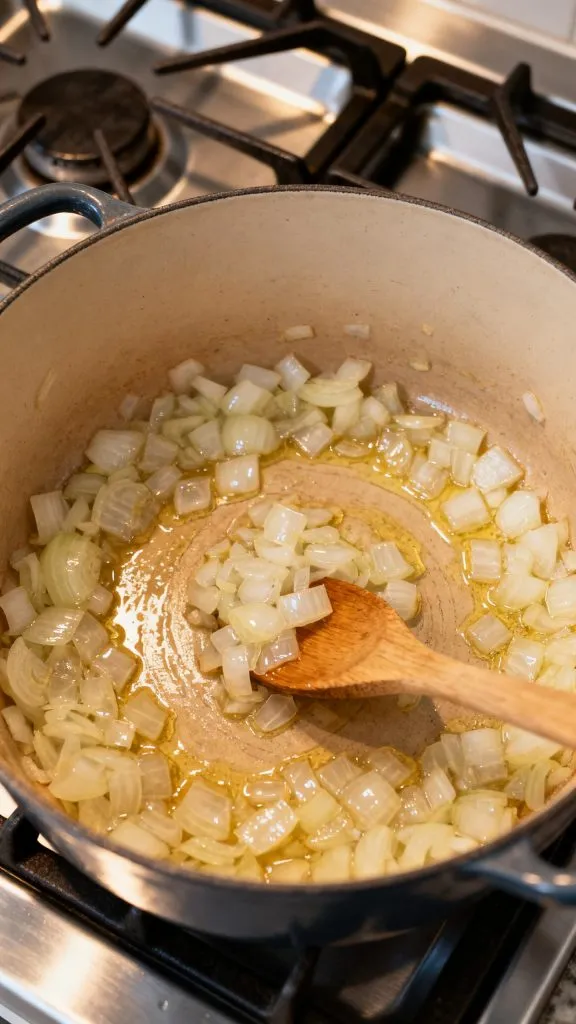
Heat 1 tablespoon neutral oil in a large soup pot over medium heat.
Add 1 small onion, finely diced, about 1 cup. Cook for about 4 to 5 minutes, stirring now and then.
The onion should be very soft and translucent. Do not let it get deeply browned.
Step 2: Add the Ginger and Pumpkin Puree
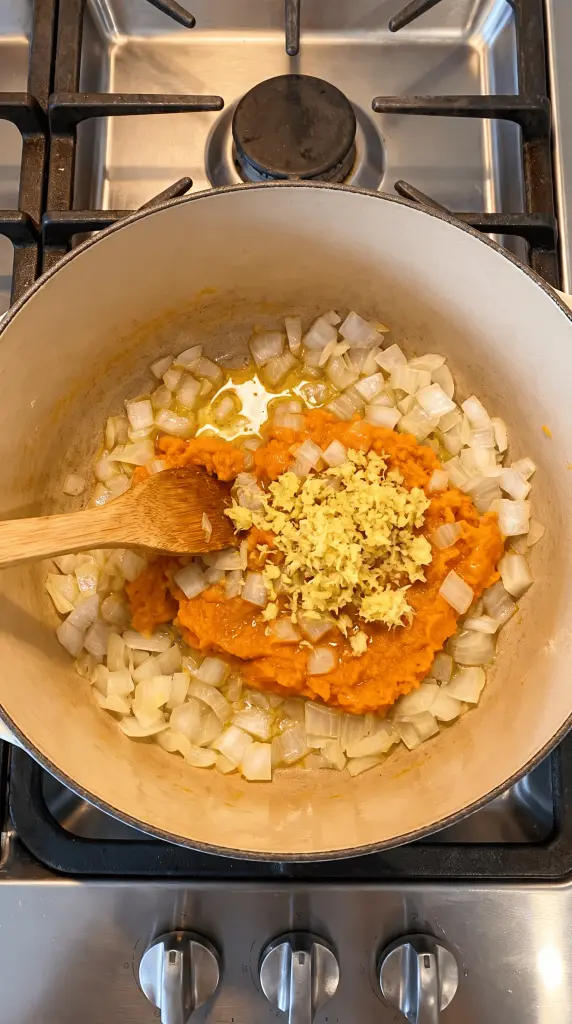
Add 2 teaspoons finely grated fresh ginger. Cook for about 30 seconds, just until you can smell the ginger.
Add 3 cups plain pumpkin puree and stir it into the onion and ginger.
Cook for about 2 minutes, stirring often.
Step 3: Add the Broth and Simmer
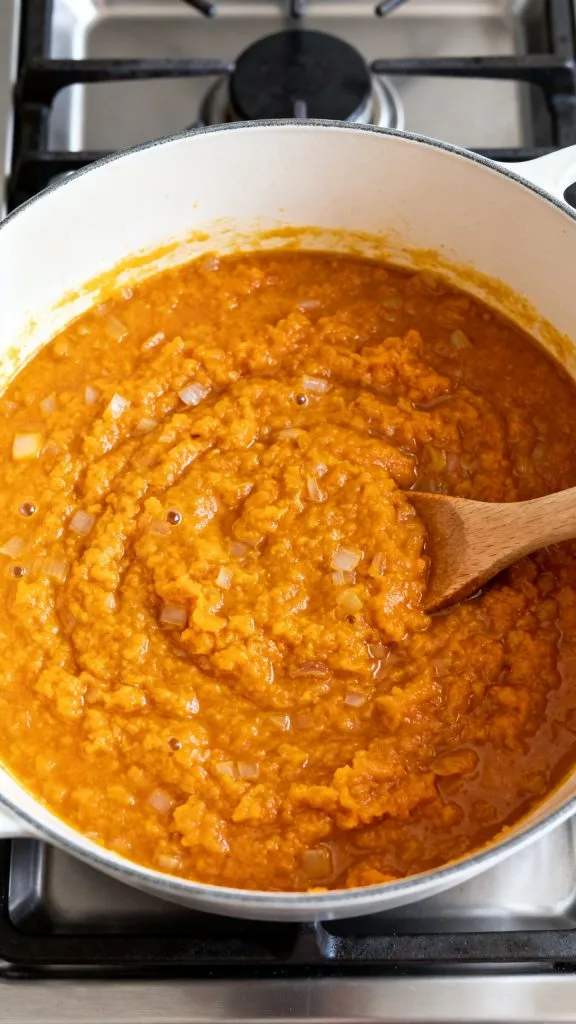
Slowly stir in 3 cups low-sodium vegetable broth.
Bring the soup to a gentle simmer. Lower the heat and cook for 8 to 10 minutes, stirring from time to time.
Step 4: Blend Until Silky
Turn off the heat.
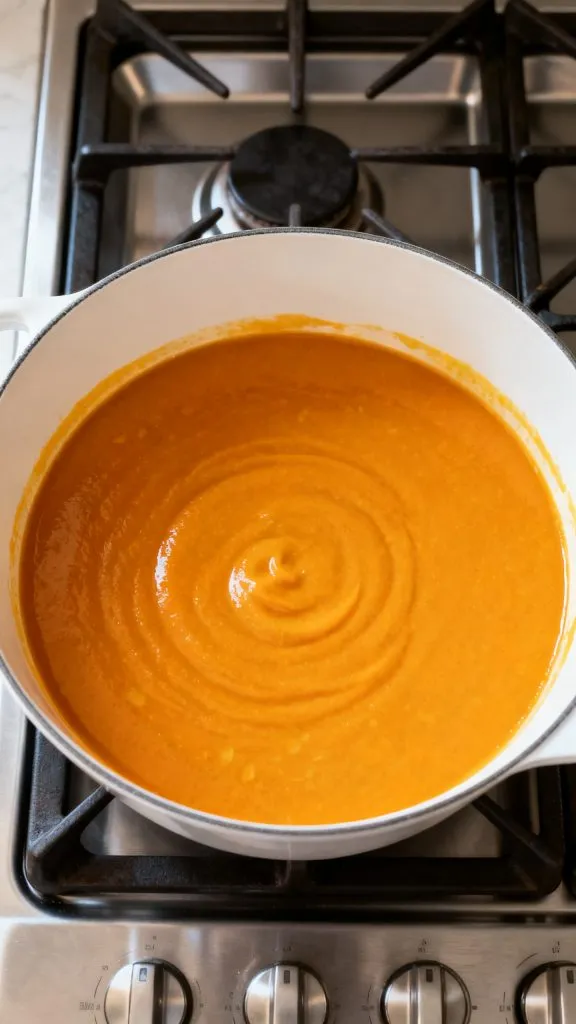
Use an immersion blender to blend the soup until completely smooth. Move the blender around the pot so you catch all the little onion and ginger pieces.
Blend for about 1 to 2 minutes, or until the soup looks silky and even.
Step 5: Mix the Miso
Place 4 tablespoons white miso paste in a small bowl.
Take about ½ cup of the hot blended pumpkin soup from the pot and add it to the miso.
Whisk until completely smooth. You should not see any thick pieces of miso left.
Pour this mixture back into the soup and stir until combined.
Keep the heat off or very low. Do not bring the soup to a hard boil after adding the miso.

Step 6: Season the Soup
Stir 2 teaspoons soy sauce, 1 teaspoon toasted sesame oil, and ¼ teaspoon ground white pepper, if using, into the soup.
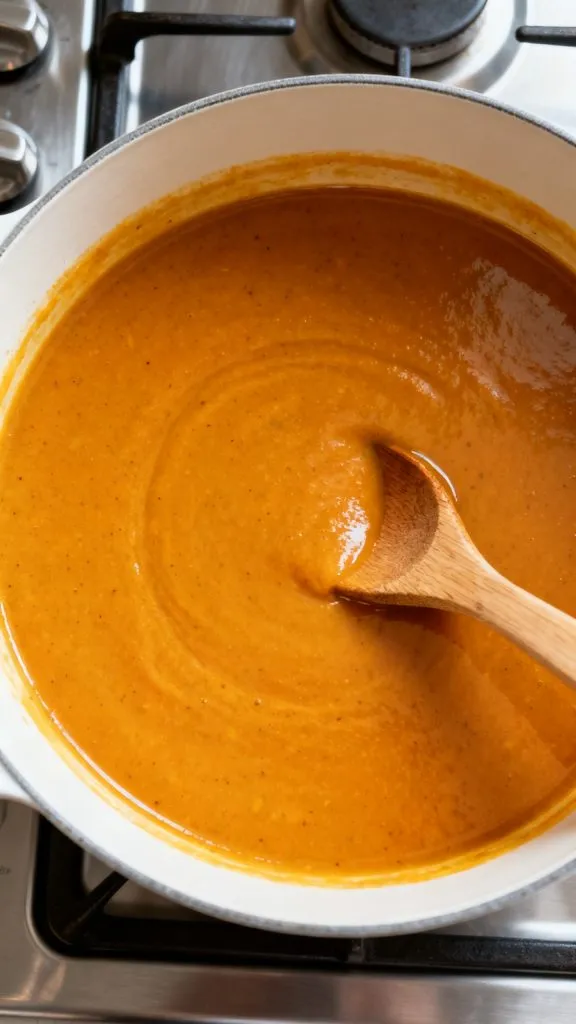
Warm it gently over low heat for 1 to 2 minutes.
Taste it now.
The soup should taste savory and full, with sweetness from the pumpkin, deep umami from the miso, a little saltiness from the soy sauce, warmth from the ginger, and a light nutty smell from the sesame oil.
Do not add salt until you taste it. Miso and soy sauce already contain plenty.
Step 7: Garnish and Serve
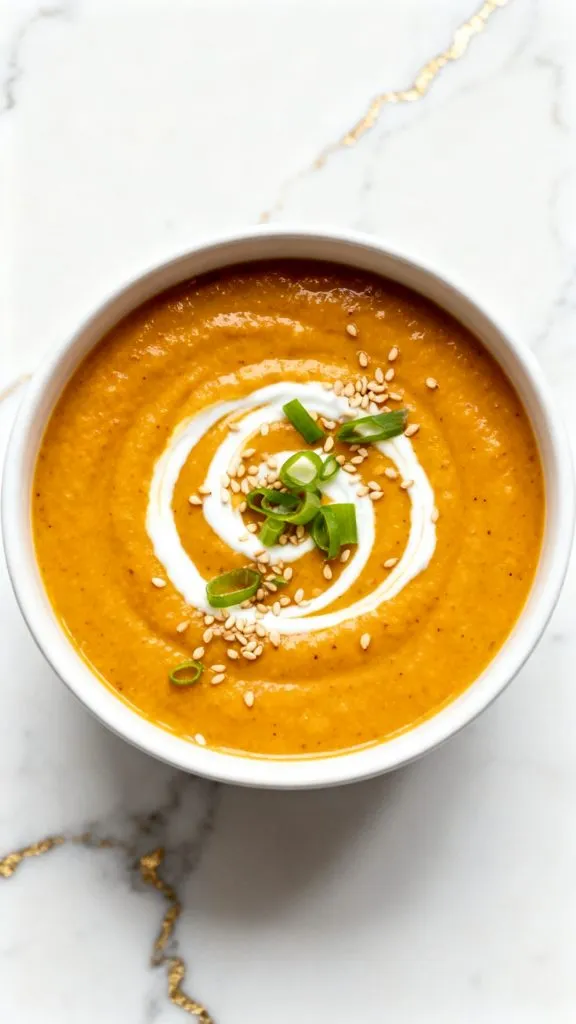
Divide the soup between 4 round serving bowls.
Top the full batch with 1 thinly sliced green onion and 1 teaspoon toasted sesame seeds.
Serve right away while warm.
Why This Recipe Works (Quick Science)
Pumpkin puree is already cooked and soft. That means we do not need to spend time breaking down raw pumpkin.
But pumpkin puree alone can taste a little flat.
Cooking onion in oil first creates a sweeter, deeper base. Ginger adds fresh aromatic flavor.
Miso is especially important because it is a fermented food packed with umami. Umami is the savory taste that makes a soup taste fuller and richer.
Soy sauce adds another layer of salt and umami.
There is also a reason we blend the soup before adding the miso. The immersion blender breaks down the softened onion and ginger, changing the soup from slightly lumpy to smooth and velvety.
Finally, sesame oil is added near the end. Its aroma is delicate, so long cooking is not needed.
Pro Tips
- Use plain pumpkin puree. Do not use pumpkin pie filling. Pie filling already contains sugar and spices.
- Cook the onion until very soft. This gives you a smoother soup after blending.
- Do not skip the blending step. Even though pumpkin puree is smooth, the cooked onion and ginger will make the soup slightly lumpy before blending.
- Loosen the miso first. Mixing it with ½ cup hot soup keeps miso lumps out of the finished soup.
- Taste before adding salt. Four tablespoons of miso plus soy sauce gives this version much more seasoning than a basic pumpkin soup.
Tools You’ll Need
- Large soup pot
- Wooden spoon
- Chef’s knife
- Cutting board
- Measuring cups
- Measuring spoons
- Small mixing bowl
- Whisk
- Ladle
- Immersion blender
- 4 round serving bowls
Substitutions and Variations
- Pumpkin puree: Use homemade pumpkin puree or canned 100% pure pumpkin.
- White miso: Yellow miso works too. Because brands vary in saltiness, start with 3 tablespoons and taste before adding the fourth.
- Vegetable broth: Low-sodium chicken broth also works if the soup does not need to be vegetarian.
- Soy sauce: Tamari is a good alternative.
- Fresh ginger: Use ½ teaspoon ground ginger if fresh ginger is not available, though fresh tastes better.
- Spicy version: Add chili crisp when serving.
- Richer version: Add ½ cup unsweetened coconut milk and reduce the broth by ½ cup.
- Thinner soup: Add a little more broth until you like the consistency.
- Thicker soup: Simmer it gently for a few extra minutes before adding the miso.
Make-Ahead Tips
You can make the entire soup up to 3 days ahead.
Cool it, place it in an airtight container, and refrigerate it.
When you are ready to eat, warm the soup slowly over low to medium-low heat. Stir often and avoid a hard boil.
You can also dice the onion and grate the ginger one day ahead to make cooking even faster.
Common Mistakes
- Using pumpkin pie filling: It is sweetened and spiced. Use 100% plain pumpkin puree.
- Not cooking the onion long enough: Firm onion pieces make it harder to get a silky finished texture.
- Thinking the soup should already be smooth before blending: It should still look a little lumpy because of the onion and ginger.
- Skipping the immersion blender: Pumpkin puree is smooth, but the whole soup will not be completely smooth until the onion and ginger are blended.
- Adding miso directly to the pot: Thick miso can leave little salty lumps.
- Boiling the soup hard after adding miso: Gentle heat better protects its delicate flavor and aroma.
- Adding salt too soon: Miso and soy sauce already bring a good amount of salt.
What to Serve With
- Steamed Japanese rice
- Onigiri
- Grilled salmon
- Teriyaki chicken
- Crispy tofu
- Pan-fried mushrooms
- Steamed edamame
- Japanese cucumber salad
- Cabbage salad
- Simple noodles
Macros Information
Approximate nutrition per serving when divided into 4 servings:
- Calories: 200
- Protein: 6 g
- Carbohydrates: 30 g
- Fat: 7 g
- Fiber: 6 g
- Sugar: 10 g
- Sodium: 850–1,000 mg
Nutrition is only an estimate. Miso, broth, soy sauce, and pumpkin brands can change the final numbers quite a bit, especially the sodium.
Leftovers and Storage
- Store cooled soup in an airtight container in the refrigerator for up to 4 days.
- Freeze it for up to 3 months.
- Thaw frozen soup overnight in the refrigerator.
- Reheat gently on the stove over low to medium-low heat.
- If the soup gets thicker in the refrigerator, add a splash of broth or water.
- Stir well after reheating to bring back the creamy texture.
- Avoid repeatedly boiling the soup after the miso has been added.
FAQ
Q: Can I use canned pumpkin puree?
A: Yes. In fact, canned 100% pure pumpkin works very well for this recipe. Just make sure it is plain pumpkin and not pumpkin pie filling.
Q: Why does the soup still look lumpy before blending?
A: That is normal. The pumpkin puree is smooth, but the cooked onion and ginger are still in small pieces. Once you blend the soup, those pieces disappear and the whole soup becomes silky.
Q: Is 4 tablespoons of miso too much?
A: It works well with 3 cups pumpkin puree and 3 cups broth, especially when using mild white miso. Miso brands vary, though. If yours tastes very salty, start with 3 tablespoons, taste, and add the last tablespoon if needed.
Q: Can I skip the soy sauce?
A: Yes, but the soup will taste a little less savory. Taste after adding the miso first. You can then decide if you want the soy sauce.
Q: Can I make the soup without an immersion blender?
A: Yes. Let the soup cool slightly and carefully use a regular blender according to the manufacturer’s directions for hot foods. Blend in batches if needed.
Q: My soup is too thick. What should I do?
A: Add warm broth a few tablespoons at a time. Stir after each addition until the soup is as thick or thin as you like.
Q: My soup tastes bland. What should I add?
A: First add a little more miso rather than plain salt. Mix the extra miso with a spoonful of hot soup before stirring it into the pot. A small splash of soy sauce can also deepen the flavor.
Q: Can I make it spicy?
A: Yes. Chili crisp, shichimi togarashi, or a little chili oil tastes great on top.
Final Thoughts
This pumpkin miso soup has the cozy sweetness of pumpkin, but it does not stop there. Miso, soy sauce, ginger, and sesame oil give it enough savory flavor to make every spoonful interesting.
The texture also changes as you cook. It starts thick and a little rustic, becomes creamy but still slightly lumpy after the broth goes in, and finally turns silky smooth after blending.
Serve it hot in a round bowl with green onion and toasted sesame seeds, and you have an easy Japanese-inspired soup ready in about 30 minutes.
If you make it, leave a comment and share how your soup turned out, what you served with it, or any questions you have.