
This sauce is creamy, nutty, tangy, and way easier than it sounds. It blends up in minutes and tastes great on noodles, grain bowls, wraps, and chicken. I can’t physically test recipes in this chat, but this one is built from reliable kitchen ratios and is written to give you a smooth, balanced sauce on the first try.
Servings: 8
Prep Time: 10 minutes
Cook Time: 0 minutes
Total Time: 10 minutes
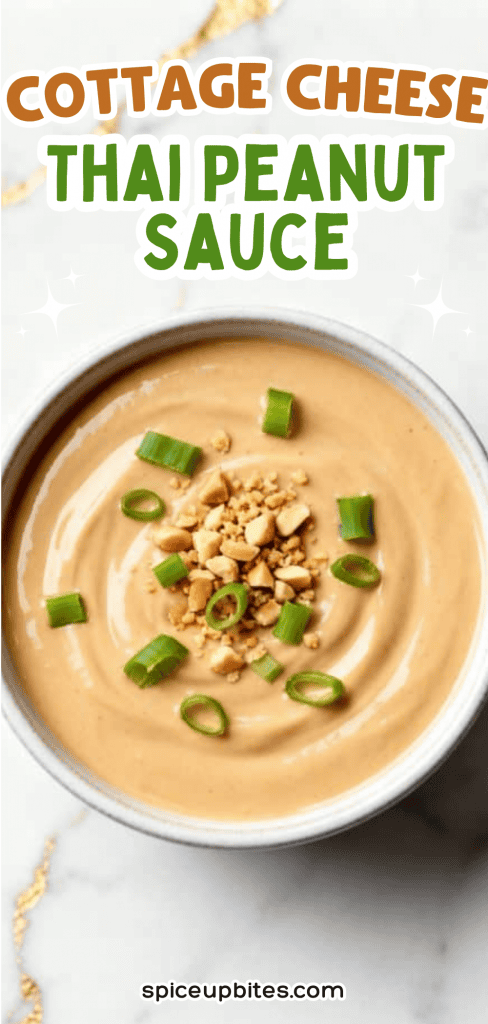
Why I Love This Recipe
What I love most is that it has that classic peanut sauce flavor people want: salty, nutty, a little sweet, a little tangy, with just enough heat if you want it. It also keeps well in the fridge, so it’s great for meal prep.
- It’s super creamy without needing heavy cream or coconut milk
- It has more protein than regular peanut sauce
- It takes about 10 minutes from start to finish
- It works as a dip, dressing, drizzle, or noodle sauce
- You can make it mild or spicy really easily
What You’ll Need
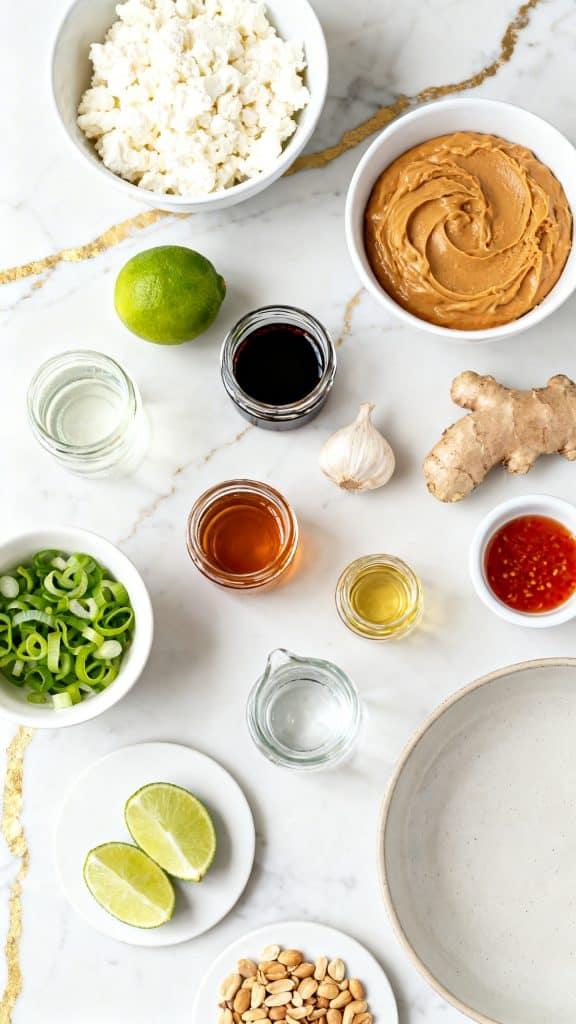
- 1 cup cottage cheese
- 1/4 cup creamy peanut butter
- 2 tablespoons low-sodium soy sauce
- 2 tablespoons fresh lime juice
- 1 tablespoon rice vinegar
- 1 tablespoon maple syrup or honey
- 1 teaspoon toasted sesame oil
- 1 small garlic clove, minced
- 1 teaspoon fresh ginger, finely grated
- 1/4 teaspoon sriracha, optional, plus more to taste
- 2 to 4 tablespoons warm water, as needed to thin
- 1 tablespoon chopped peanuts, optional for serving
- 1 tablespoon thin sliced green onion, optional for serving
- lime wedges, optional for serving
Tools
- Blender or small food processor
- Measuring cups and measuring spoons
- Microplane or small grater
- Knife and cutting board
- Citrus juicer, optional
- Small spatula
- Spoon
- Round bowl for serving
Pro Tips
- Start with just 2 tablespoons of warm water, then blend and add more slowly. That gives you better control over the texture.
- Use creamy peanut butter for the smoothest sauce. Natural peanut butter works too, but stir it well first.
- Fresh lime juice really matters here. Bottled juice can taste flat.
- Blend longer than you think you need to. An extra 20 to 30 seconds makes the sauce much smoother.
- Chill it for 15 minutes if you want a slightly thicker dip for fresh veggies or spring rolls.
Substitutions and Variations
- Swap peanut butter for almond butter or cashew butter for a different nutty flavor.
- Use honey instead of maple syrup if that’s what you have.
- Use tamari instead of soy sauce for a gluten-free version.
- Add 1 to 2 more teaspoons sriracha if you want it spicy.
- Add 2 tablespoons coconut milk for a richer, more classic Thai-style flavor.
- Add a splash of water and extra lime juice to make it more of a salad dressing.
- Stir in chopped cilantro at the end for a fresh finish.
Make Ahead Tips
This sauce is great to make ahead. Blend it up and store it in a jar or airtight container in the fridge for up to 4 days. It thickens as it sits, so stir in 1 to 2 teaspoons of warm water before serving if needed.
Why This Recipe Works (Quick Science)
Cottage cheese is packed with milk proteins, and when you blend it, those proteins break down into a smooth, creamy base. Peanut butter adds fat, which gives the sauce body and that rich mouthfeel people expect. Lime juice and rice vinegar brighten the flavor and balance the richness. Soy sauce adds salt and deep savory flavor. A little sweetener rounds out the sharp and salty notes, so the sauce tastes balanced instead of flat.
Common Mistakes
- Not blending long enough: The sauce may look a little grainy at first. Keep blending until it turns smooth.
- Adding too much water too fast: This can make it thinner than you want. Add water 1 tablespoon at a time.
- Using too much soy sauce: It’s easy to oversalt peanut sauce. Measure carefully.
- Skipping the lime juice: The sauce can taste heavy without that fresh, bright acid.
- Using cold ingredients straight from the fridge and expecting a super silky dip right away: Letting the sauce sit for a few minutes after blending helps the texture settle.
Cottage Cheese Thai Peanut Sauce Recipe
Step 1: Add the ingredients to the blender
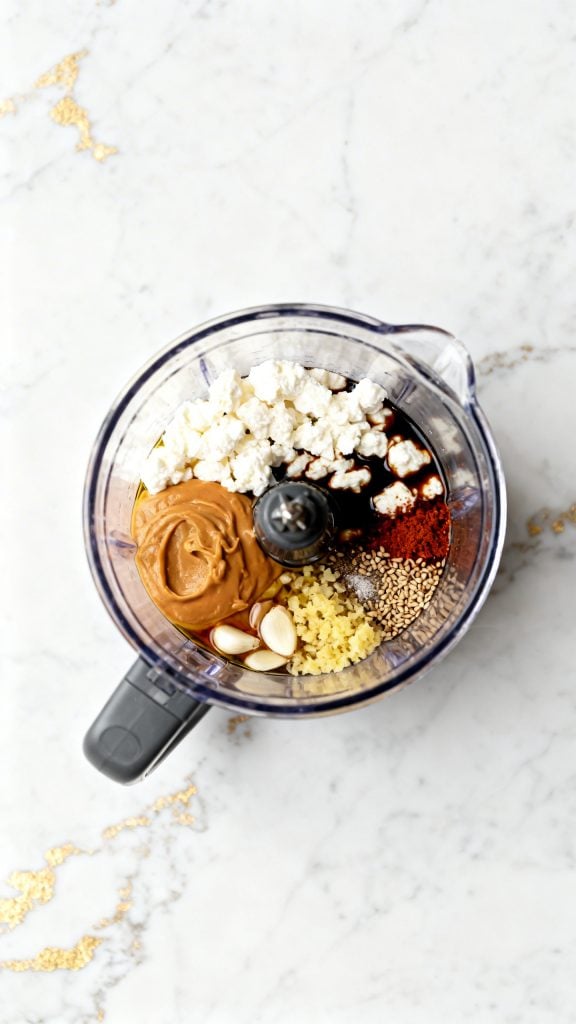
Add 1 cup cottage cheese, 1/4 cup creamy peanut butter, 2 tablespoons soy sauce, 2 tablespoons fresh lime juice, 1 tablespoon rice vinegar, 1 tablespoon maple syrup or honey, 1 teaspoon toasted sesame oil, 1 small minced garlic clove, 1 teaspoon finely grated fresh ginger, 1/4 teaspoon sriracha if using, and 2 tablespoons warm water to a blender or small food processor.
This is your base. The warm water helps everything loosen up so it blends more easily from the start.
Step 2: Blend until smooth
Blend the sauce for 30 to 45 seconds. Stop and scrape down the sides with a spatula if needed. Then blend again for 15 to 30 seconds, until the sauce looks creamy and smooth.
At first, you may still see tiny curds from the cottage cheese. Keep going. They should blend away.
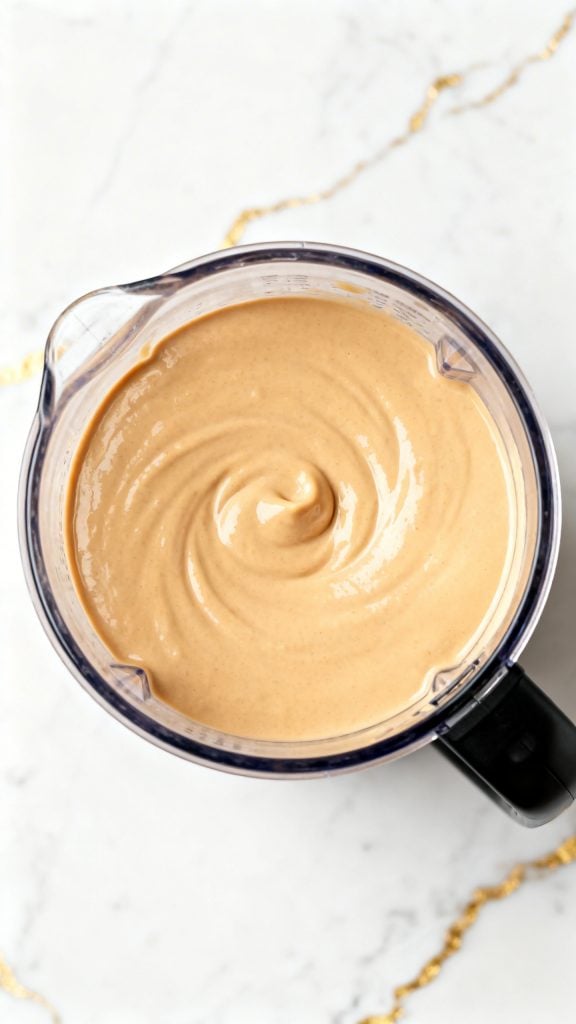
Step 3: Adjust the texture and taste
Open the blender and check the texture. For a thicker dip, leave it as is. For a thinner drizzle or noodle sauce, blend in 1 to 2 more tablespoons warm water, one tablespoon at a time.
Taste the sauce. Add more sriracha for heat, a squeeze of lime for more brightness, or a tiny drizzle of maple syrup if you want it a little sweeter. Blend again for 10 to 15 seconds after any changes.
Step 4: Serve the sauce
Spoon the finished sauce into a round bowl. Top with 1 tablespoon chopped peanuts and 1 tablespoon thin sliced green onion if you want extra texture and flavor. Serve right away, or chill for 15 to 20 minutes if you want it a little thicker.
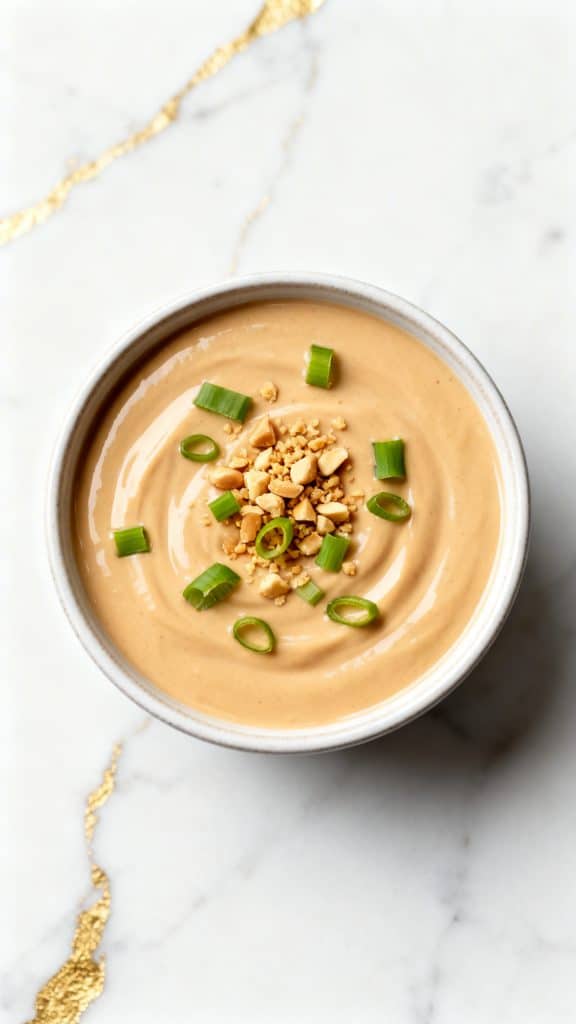
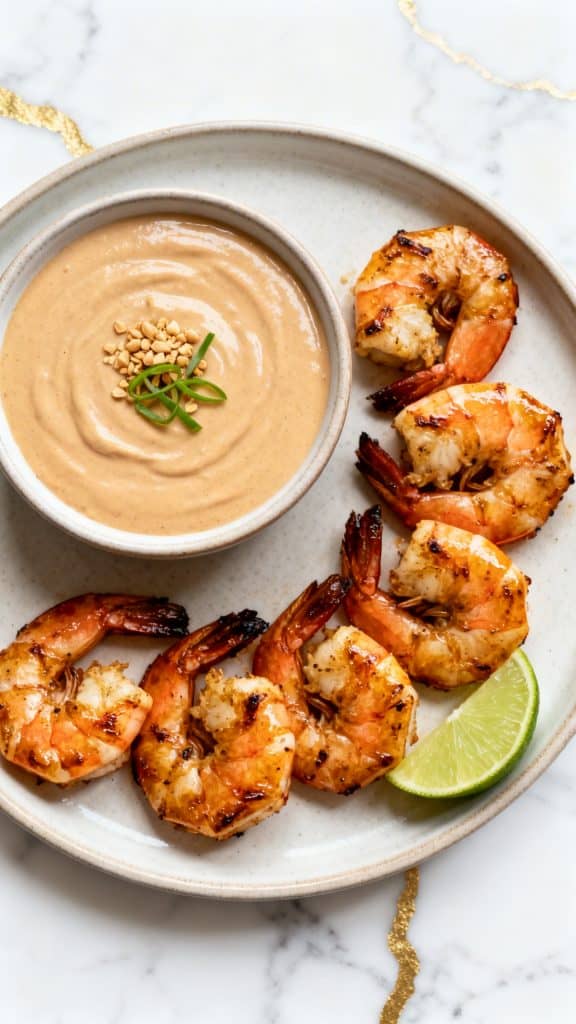
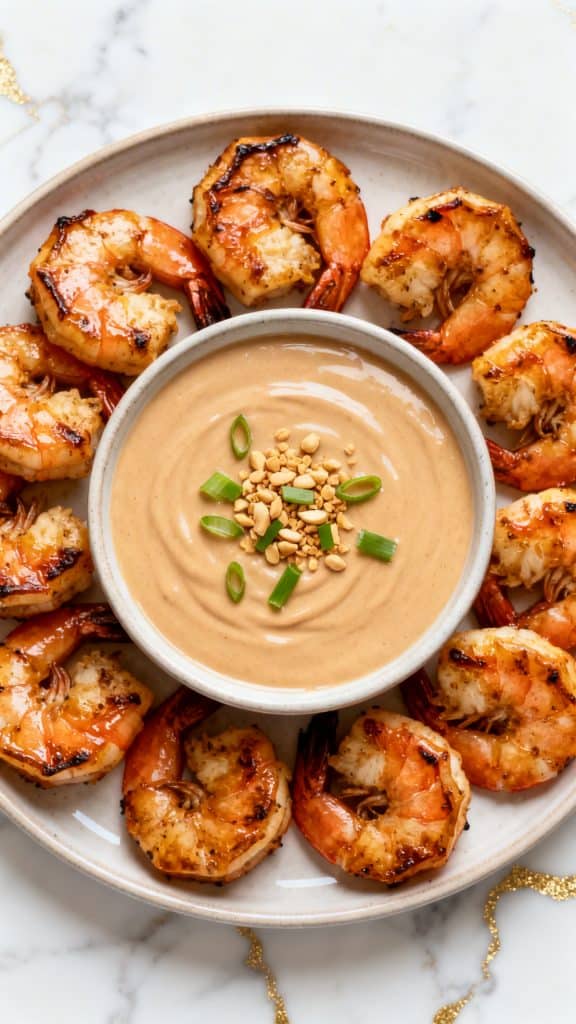
This sauce is great over noodles, rice bowls, grilled chicken, shrimp, tofu, lettuce wraps, or as a dip for fresh veggies.
Macros Information
These numbers are approximate and can vary based on the exact cottage cheese and peanut butter you use.
Per serving, about 2 tablespoons
- Calories: 85
- Protein: 5 g
- Carbs: 5 g
- Fat: 5 g
- Fiber: 1 g
- Sugar: 2 g
- Sodium: 210 mg
What to Serve With
- Rice noodles
- Grilled chicken
- Baked tofu
- Shrimp
- Grain bowls
- Lettuce wraps
- Cucumber slices
- Carrot sticks
- Bell pepper strips
- Spring rolls
- Drizzled over roasted broccoli or roasted sweet potatoes
Leftovers and Storage
Store leftover sauce in an airtight container in the fridge for up to 4 days. The sauce will thicken as it chills, so stir in a little warm water before serving to loosen it up. I would not freeze it, because the texture can get grainy after thawing.
FAQ
Can you taste the cottage cheese?
Not really. Once it’s blended with peanut butter, lime juice, soy sauce, and ginger, it mostly just adds creaminess and protein.
Can I make this without a blender?
A blender or food processor works best for a smooth sauce. Without one, the texture will be more lumpy.
Is this spicy?
It’s only mildly spicy with 1/4 teaspoon sriracha. Leave it out for no heat, or add more for a spicier sauce.
Can I use natural peanut butter?
Yes. Just stir it really well first so the oil is fully mixed in.
Can I use this as a dip?
Yes. Keep it on the thicker side by using only 2 tablespoons warm water.
Can I make it thinner for noodles?
Yes. Add 1 to 2 extra tablespoons warm water until it reaches the texture you like.
Final Thoughts
This is one of those smart little recipes that makes plain food taste exciting fast. It’s creamy, bold, and easy to keep in the fridge for quick lunches and simple dinners. Give it a try, make it your own, and leave a comment with how you used it or any questions that came up while making it.